
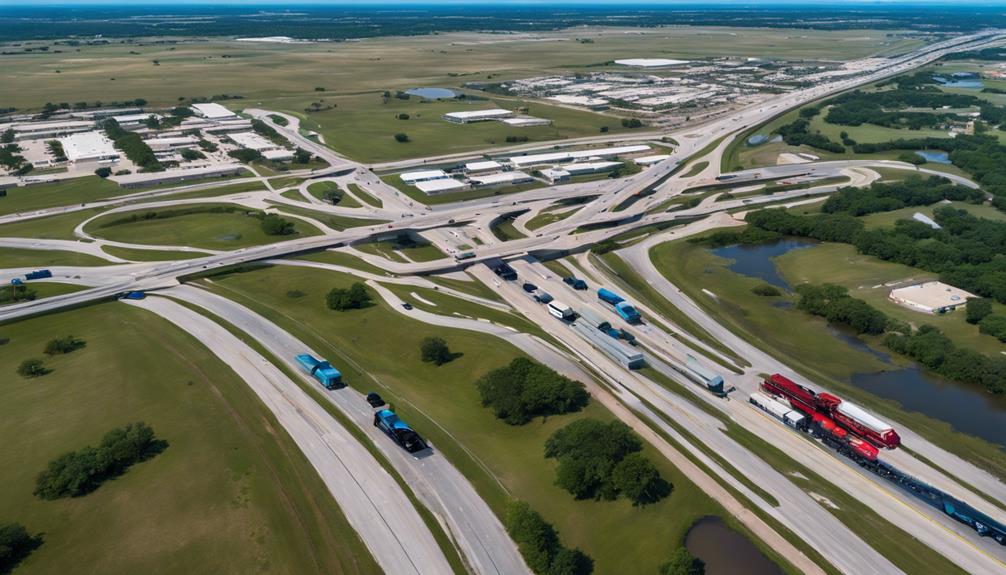
Transporting oversize, overweight, overlength, or overheight loads in Fort Bend County requires securing a bond to ensure regulatory compliance and provide financial protection against potential liabilities and damages.
When you're planning to transport oversize, overweight, overlength, or overheight loads in Fort Bend County, understanding the bond requirements is essential. You'll need to secure a bond that not only complies with local regulations but also protects you financially against any unforeseen liabilities. The specifics can get quite intricate, including how the bond amount is determined based on your load's characteristics and route. As you navigate these requirements, you might find yourself facing some unexpected challenges that could impact your transport timeline—challenges that warrant your attention.
Overview of Load Types
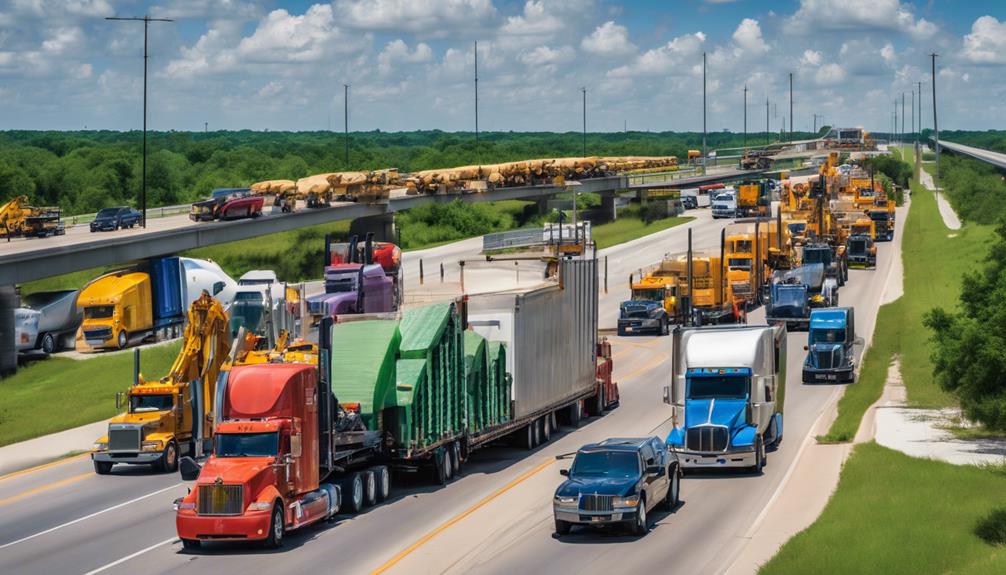
When it comes to load regulations in Fort Bend County, understanding the different types of loads is crucial. You'll encounter several categories that define how vehicles must navigate local roads. The primary load types include oversize, overweight, overlength, and overheight loads. Each of these classifications has specific criteria and limitations that you need to be aware of.
Oversize loads exceed the standard width or height limits, often requiring special permits. Overweight loads surpass the maximum weight allowed for vehicles on public roads, which can lead to road damage if not managed properly. Overlength loads extend beyond the standard length, necessitating additional precautions during transport. Lastly, overheight loads exceed the typical height restrictions, posing potential risks to bridges and overpasses.
Understanding these classifications helps you plan your transportation routes effectively. You'll need to ensure compliance with local regulations to avoid fines or road hazards.
Familiarizing yourself with these load types prepares you for the challenges of transporting goods safely within Fort Bend County, ensuring your operations run smoothly and efficiently. Knowing what category your load fits into is the first step toward successful transportation and adherence to county regulations.
Importance of Bonds
Navigating load regulations in Fort Bend County isn't just about understanding different load types; it also involves financial responsibility. Bonds play a crucial role in ensuring that you're protected against potential damages or liabilities that may arise while transporting oversize, overweight, overlength, or overheight loads.
When you obtain a bond, you're essentially securing a guarantee that you'll adhere to the regulations set by local authorities. In florida, for instance, bonds ensure compliance with local laws and provide financial protection against non-compliance, making them a critical aspect of various industries, including transport. Florida surety bonds serve as a vital mechanism for risk management.
Having a bond isn't just a legal requirement; it's a safety net for you and your business. If an accident occurs or if there's damage to public property during your transport, the bond provides the necessary funds to cover those costs. This means you won't have to shoulder the entire financial burden alone.
Additionally, holding a bond can enhance your credibility as a responsible operator. Clients and partners may view it as a sign of professionalism and commitment to safe practices. In an industry where reliability is key, having a bond can help you stand out.
Bond Requirements in Fort Bend
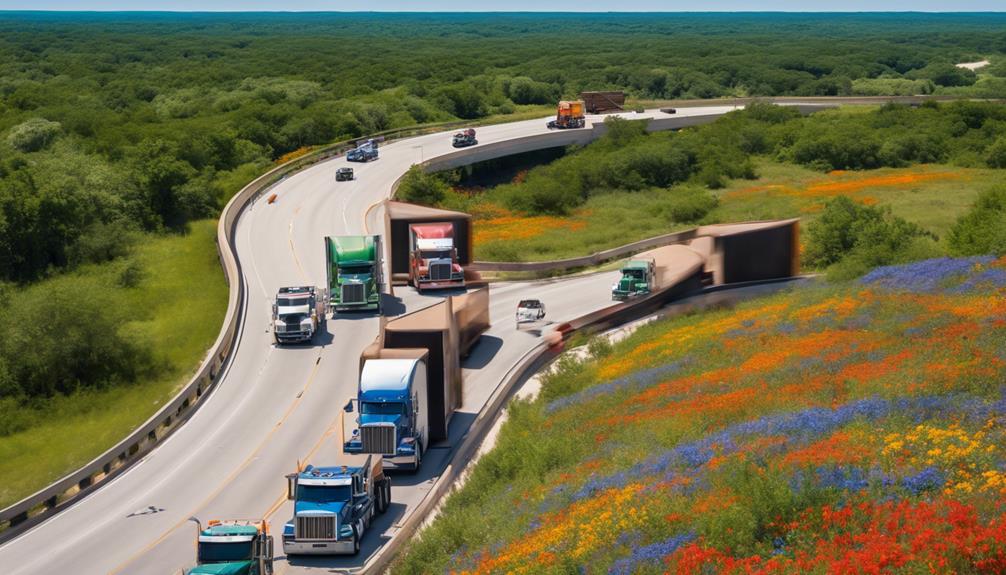
Understanding bond requirements in Fort Bend is essential for anyone involved in transporting oversized or overweight loads. These bonds serve as a financial guarantee that you'll comply with local regulations and address any potential damages that may occur during transport.
In Fort Bend County, you'll typically need to secure a bond based on the specifics of your load. This includes factors such as size, weight, and the route you'll be taking. The bond amount is determined by the local authorities and can vary significantly, so it's crucial to check the latest requirements before you begin your transport.
You're also responsible for ensuring that your bond remains valid throughout your transport period. If there are changes to your load or route, you may need to update your bond accordingly. Failing to do so could result in fines or delays.
Lastly, keep in mind that the bond acts as a safety net, protecting both you and the county from unexpected liabilities. By understanding and adhering to these bond requirements, you can ensure a smoother, more compliant transportation experience in Fort Bend County.
Application Process
Applying for a permit in Fort Bend County for oversized or overweight loads involves several key steps that you need to follow closely.
First, gather all necessary documents, including vehicle specifications, load details, and routes. Having this information ready will streamline the process.
Next, visit the Fort Bend County website or contact the appropriate department to access the permit application. Fill out the application accurately, ensuring you provide all requested details. Be sure to specify the type of load, dimensions, and weight clearly, as this information is crucial for permit approval.
After completing the application, submit it along with any required supporting documents. It's important to double-check that everything is included to avoid delays.
Depending on the nature of your load and route, you may need to coordinate with local law enforcement or other agencies for route clearance and safety considerations.
Once submitted, keep your contact information updated, as the county may reach out for additional information or clarifications.
Fees and Costs
You'll often find that the fees associated with obtaining a permit for oversized or overweight loads in Fort Bend County can vary based on several factors, including the type of load and the route.
Typically, the base fee for a single trip permit can range from $50 to $250, depending on the weight and dimensions of your load.
If you're planning multiple trips, consider applying for a yearly permit, which can save you money in the long run. These permits usually cost between $1,000 and $2,500, but they allow for unlimited trips over a specified time frame.
Additional costs may arise if your route requires special considerations, like traffic control or road repairs. In these cases, you could face extra charges that reflect the complexity of your route.
Always check for any local government fees or taxes that may apply, as these can also affect your total costs.
Compliance and Regulations
Navigating the compliance and regulations for oversized or overweight loads in Fort Bend County requires careful attention to detail.
You need to familiarize yourself with local, state, and federal laws governing such transportation. First, ensure you've obtained the necessary permits before hitting the road. These permits often outline specific routes that must be taken and times when travel is permitted.
It's crucial to adhere to weight limits and dimensions specified in your permits. Overstepping these boundaries can lead to fines, delays, or even damage to infrastructure.
You'll also want to stay updated on any temporary restrictions or road closures that may affect your route, especially during construction projects or adverse weather conditions.
Additionally, you should equip your vehicle with the required safety features, like flags, lights, and signs, to alert other drivers of your oversized load.
Regular inspections of your vehicle and load are essential to ensure compliance and safety.
Common Challenges

Transporting oversized or overweight loads in Fort Bend County often throws up a range of challenges.
You'll likely face strict regulations that require you to secure permits before hitting the road, which can be time-consuming. Missing any required documentation can lead to fines or delays, impacting your schedule.
Navigating local roads can also be tricky. Many routes may not accommodate your load size, leading to detours that could extend your travel time significantly.
You'll need to plan your route carefully to avoid low bridges or narrow streets that could pose a risk to your load and other road users.
Timing is another challenge. If you're transporting during peak traffic hours, you might encounter congestion that delays your journey.
Weather conditions can further complicate matters, as rain or wind can make handling oversized loads more difficult and unsafe.
Lastly, coordinating with local law enforcement and traffic control can be a hassle.
You might need escorts for certain loads, which requires prior arrangements and could add to your overall costs.
Being aware of these common challenges can help you navigate the complexities of transporting oversized and overweight loads in Fort Bend County more effectively.
Resources and Contacts
When dealing with oversized or overweight loads in Fort Bend County, having access to the right resources and contacts can make all the difference. First, familiarize yourself with the Fort Bend County Transportation Department, where you can find specific guidelines and application forms for permits. Their website is often updated with critical information that can help streamline your process.
You should also keep the texas department of Transportation (TxDOT) contact information handy. They can assist you with state-level regulations and any additional requirements you might need to meet.
Don't forget to reach out to local law enforcement; they can provide insight on road restrictions or closures that may affect your route.
Networking with other transport professionals in the area can be invaluable. Joining local trucking associations or attending industry conferences will connect you with experts who can share their experiences and tips.
Lastly, consider hiring a logistics consultant who specializes in oversized loads if you encounter persistent challenges. With these resources and contacts at your disposal, you'll be better prepared to navigate the complexities of transporting oversized and overweight loads in Fort Bend County.
Conclusion
In Fort Bend County, securing a bond for oversize, overweight, overlength, or overheight loads is essential for smooth transport. By understanding the requirements and following regulations, you can avoid costly fines and delays. Remember to plan ahead and coordinate with local authorities to ensure safety and compliance during your journey. Stay informed and prepared, and you'll navigate the challenges of transporting these loads with confidence, making your experience as efficient as possible.