bookmark_borderWA – Pierce County – Street Obstruction Bond

If you're planning a project that'll disrupt public roadways in Pierce County, you might need to consider a Street Obstruction Bond. This bond not only ensures you're compliant with local regulations but also protects the community from potential inconveniences. Understanding who requires this bond and the implications of not having one can be crucial to the success of your project. Curious about how this process works and what it could mean for your plans? Let's explore the details further.

What Is a Street Obstruction Bond?
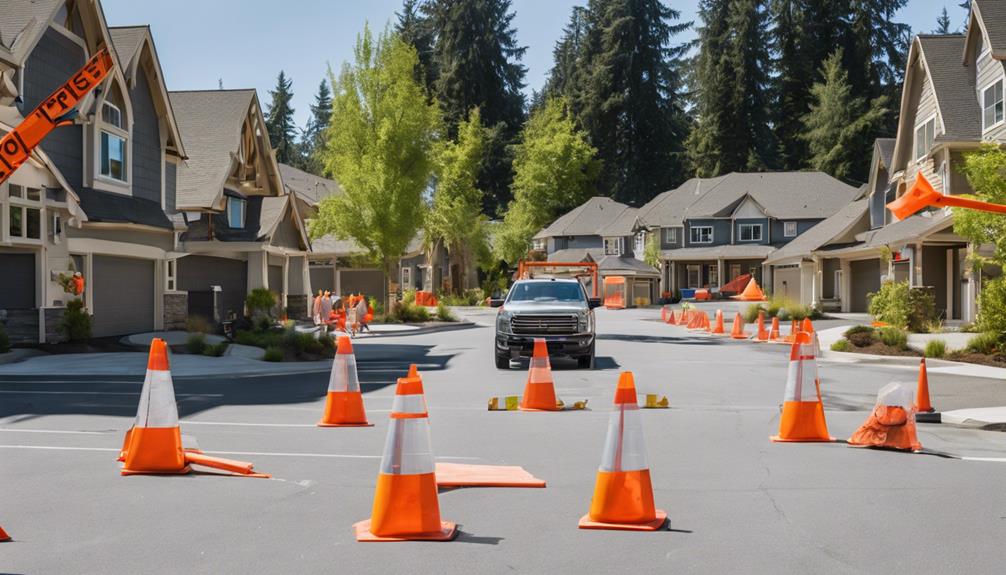
A street obstruction bond is a financial guarantee required by local governments when you plan to obstruct a public roadway for construction or maintenance work. This bond ensures you'll comply with local regulations and complete the project without causing undue disruption.

Essentially, it acts as a safety net for the community, ensuring that you take responsibility for any damages or inconveniences that arise from your work.

When you apply for a street obstruction bond, you're typically required to provide details about your project, including its scope, duration, and potential impact on traffic. The bond amount varies depending on the project's size and the local government's requirements.

If you fail to adhere to the agreed-upon terms or cause damage, the bond can be used to cover costs the city incurs in addressing the issue.

It's important to understand that obtaining this bond isn't just a formality; it's a crucial step in ensuring your project runs smoothly and legally.

You'll want to work closely with local officials to ensure you meet all requirements before starting your work. This proactive approach helps maintain public safety and minimizes disruptions in the community.

Importance of the Bond

Understanding the importance of a street obstruction bond is vital for anyone planning construction or maintenance work that affects public roadways. This bond acts as a financial safeguard, ensuring that you'll cover any damages or disruptions caused by your project.

As a leading provider of surety bond services, we can help you navigate the bonding process effectively. If something goes wrong, the bond provides funds for repairs, protecting both the public and your reputation.

Moreover, having this bond can streamline the permitting process. Local authorities are more likely to grant permits when they see you're committed to responsible practices. It demonstrates your professionalism and willingness to follow regulations, which can lead to smoother interactions with city officials.

The bond also creates accountability. It encourages you to plan your project carefully, considering potential impacts on traffic and pedestrians. By prioritizing safety and minimizing disruptions, you enhance your project's overall success.

In essence, the street obstruction bond not only secures financial protection but also fosters a culture of responsibility and care in public spaces. By investing in this bond, you're not just complying with regulations; you're contributing to the community's well-being and ensuring your project's integrity.

Who Needs the Bond?
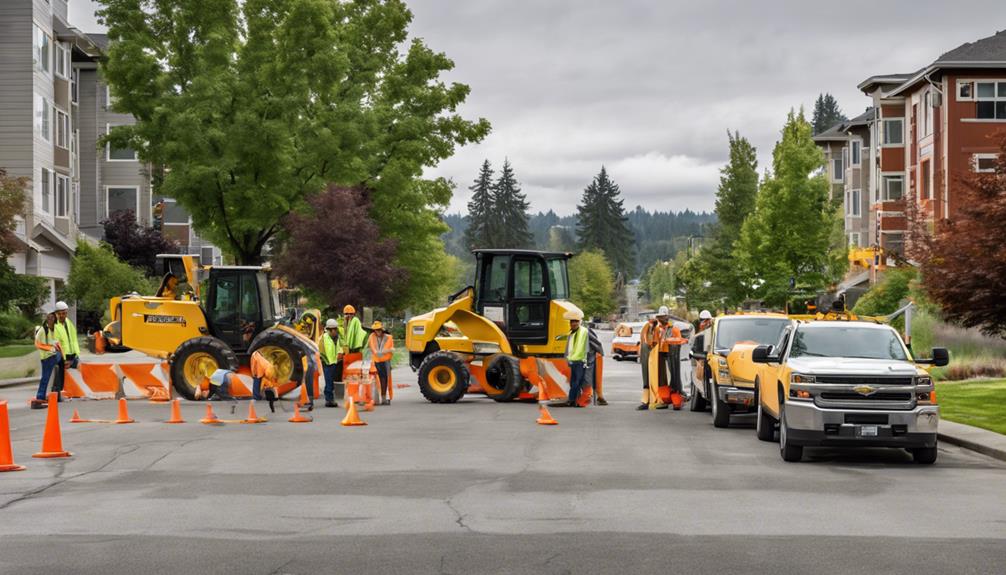
Anyone planning to work on or near public roadways may find themselves in need of a street obstruction bond. This includes contractors, utility companies, and even individuals undertaking home improvement projects that affect public streets.

If you're digging, paving, or making any alterations that could disrupt traffic or pedestrian access, you'll likely need this bond. Obtaining a bond is a critical step in ensuring compliance with local regulations and protecting public interests, as it demonstrates a commitment to completing the project as agreed and fulfilling obligations in case of unforeseen issues, akin to a performance bond.

Local governments require the bond to ensure that you take responsibility for any potential damages or disruptions your work may cause. It's essential for maintaining public safety and ensuring that the work complies with local regulations.

If you're a contractor performing large-scale projects, the bond is often a requirement of your contract. Similarly, utility companies performing maintenance or upgrades on public streets must secure this bond to protect against any unforeseen issues.

Even if your project seems minor, it's best to check with local authorities to determine if a bond is necessary. By securing a street obstruction bond, you're not only meeting legal requirements but also demonstrating your commitment to responsible and safe work practices in your community.

Application Process

Applying for a street obstruction bond involves several key steps that ensure you meet all local regulations.

First, you'll need to gather the necessary documentation, including your project plans, site maps, and any relevant permits. Make sure these documents clearly outline the scope of your obstruction and how it'll impact traffic and pedestrian access.

Next, you should fill out the application form provided by the local authority. This form typically requires detailed information about your project, including start and end dates, the specific location of the obstruction, and contact information. Be thorough and accurate; any missing details could delay the process.

Once you've completed the application, submit it along with your documentation to the appropriate department. It's wise to check if any fees are associated with the application, as these can vary.

After submission, be prepared to respond to any questions or requests for additional information from the reviewing authority. They may schedule a site visit to assess the situation further.

Bond Requirements and Costs
When seeking a street obstruction bond, you'll need to meet specific requirements that can vary by location. Generally, you must provide proof of insurance, comply with local regulations, and submit a completed application.

Additionally, it's essential to understand the purpose of the bond, as it acts as a guarantee to protect the public and ensure compliance with local laws, similar to license and permit bonds. You'll also need to supply any necessary permits that demonstrate your intent to obstruct the street for a valid purpose, like construction or maintenance.

Costs associated with obtaining a street obstruction bond can differ widely based on the project's scope and the bond amount required by your local government. Typically, you can expect to pay a premium based on the total bond value, which may range from a few hundred to several thousand dollars.

Additionally, some jurisdictions may require a deposit or fee to cover administrative costs.

Before you apply, it's a good idea to check with your local authorities for the exact requirements and potential costs. Understanding these details upfront can help you budget accordingly and avoid surprises.

Make sure you have all your documentation in order to streamline the application process and get your bond approved as quickly as possible. Being prepared will save you time and help you comply with local regulations effectively.

Impact on the Community

Street obstruction bonds frequently impact the community in significant ways. When a street obstruction occurs, it can disrupt local traffic patterns, making it harder for residents to navigate their neighborhoods. You might find yourself stuck in longer commutes, which can lead to increased frustration and lower overall quality of life.

Moreover, these bonds often cover the costs associated with restoring public spaces. If a construction project disrupts a road, the bond ensures that the area is returned to its original condition or improved. This means that you benefit from better streets and public areas, which can enhance your community's appeal.

Additionally, the presence of street obstruction bonds can foster a sense of accountability among contractors and developers. By requiring them to secure a bond, the community ensures that they're responsible for any disruptions they cause. This can lead to more careful planning and execution of projects in your neighborhood, ultimately minimizing inconvenience.

In essence, while street obstructions may initially seem disruptive, the bonds tied to them help ensure that you and your fellow residents see long-term benefits, including improved infrastructure and a greater sense of community responsibility.

Tips for Compliance
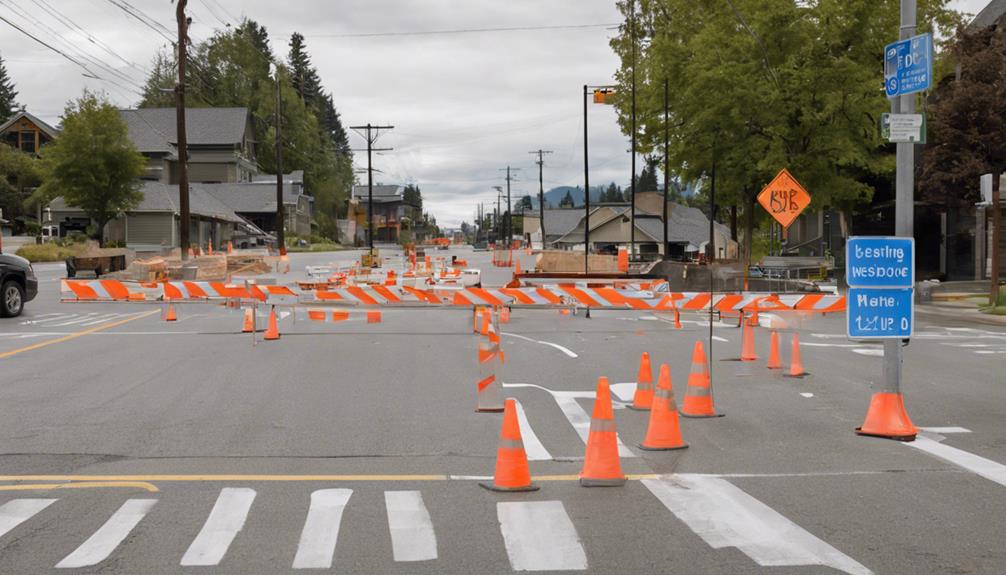
Understanding the importance of street obstruction bonds can help you navigate compliance more effectively. First, familiarize yourself with local regulations and guidelines specific to Pierce County. Make it a priority to read through the requirements thoroughly to avoid any misunderstandings.

Next, ensure you obtain the necessary permits before starting any work that may obstruct the street. This step is crucial in preventing fines or delays in your project. Keep all documentation related to your bond and permits organized and easily accessible.

Communication is key. Notify local authorities and the community about your planned obstruction in advance. This transparency can help mitigate potential issues and foster goodwill among your neighbors.

Regularly inspect your work zone to ensure it meets safety standards and complies with your bond agreement. If you notice any issues, address them promptly to avoid further complications.

Conclusion

In conclusion, obtaining a Street Obstruction Bond in Pierce County is crucial for anyone planning to disrupt public roadways. It not only ensures compliance with local regulations but also protects the community from potential damages. By understanding the application process and requirements, you can contribute to safer and more responsible development. Embracing this bond helps foster positive community relations and demonstrates your commitment to sustainable practices. So, take the necessary steps and make a difference today!


bookmark_borderWA – Farm Labor Contractor Bond

If you're considering becoming a farm labor contractor in Washington, understanding the importance of the Farm Labor Contractor Bond is essential. This bond acts as a safeguard, ensuring compliance with regulations while protecting workers' rights. Not only does it enhance your credibility, but it also makes you more appealing to farmers who prioritize hiring bonded contractors. However, navigating the eligibility requirements and application process can be challenging. What happens if you overlook these details? The ramifications could be significant, affecting your operations and reputation in the agricultural community.

Overview of Farm Labor Contractor Bond

A farm labor contractor bond is essential for anyone looking to operate as a labor contractor in the agricultural sector. This bond acts as a financial guarantee that you're complying with state regulations and fulfilling your obligations to your workers.

When you obtain this bond, you're not just protecting yourself; you're also safeguarding the workers you employ. It ensures that they'll receive their wages and benefits as promised.

The bond typically requires you to pay a premium, which varies based on your creditworthiness and the bond amount required by your state. Once you're bonded, you can legally provide labor services to farmers, helping them meet their workforce needs while ensuring that you're operating within the law.

Moreover, having a bond can enhance your reputation in the industry. Farmers prefer to work with bonded contractors since it shows you're serious about your responsibilities.

If any issues arise, such as unpaid wages or violations of labor laws, the bond provides a financial resource for workers to claim their entitlements.

Ultimately, investing in a farm labor contractor bond is a crucial step toward a successful and compliant operation in the agricultural field.

Importance of the Bond

Obtaining a farm labor contractor bond isn't just a regulatory step; it significantly impacts your operations and reputation. This bond serves as a safety net for both you and the workers you hire, ensuring that you comply with labor laws and protect their rights.

When you're bonded, it shows potential clients and employees that you're serious about your responsibilities and committed to ethical practices. Having this bond can also enhance your credibility in the industry. It demonstrates that you're financially stable and responsible, which can lead to increased trust from clients, workers, and regulatory agencies.

You'll find that many agricultural producers prefer to work with bonded contractors, giving you a competitive edge. Additionally, the bond acts as a financial safeguard. If disputes arise, or if you fail to meet your contractual obligations, the bond can cover damages, helping to maintain your business's financial health.

In a field where relationships matter, being bonded can set you apart, showing that you're professional and reliable. Ultimately, securing a farm labor contractor bond is an investment in your business's future, ensuring you can operate smoothly and maintain a good reputation in the agricultural community.

Eligibility Requirements

To qualify for a farm labor contractor bond, you'll need to meet specific eligibility requirements set by your state.

First, you'll typically have to be at least 18 years old and possess a valid driver's license or state ID. Most states also require you to demonstrate a solid understanding of labor laws and safety regulations related to farm work.

You may need to provide proof of experience in farm labor contracting or a related field, showcasing your capability to manage workers effectively.

Additionally, a clean criminal record is often a must; many states won't issue a bond if you have certain felonies on your record, especially those related to fraud or theft.

Financial stability is another key factor. You might be required to show financial statements or a credit report that indicates your ability to meet your obligations.

Lastly, you'll often need to submit an application and pay a fee, which could vary by state.

Make sure to check your specific state's requirements, as they can differ significantly. Meeting these eligibility criteria is essential for securing your farm labor contractor bond.

Application Process

Navigating the application process for a farm labor contractor bond involves several key steps that you'll need to follow closely.

First, gather all necessary documentation, including your business license, financial statements, and proof of insurance. These documents help demonstrate your ability to comply with state regulations.

Next, fill out the application form accurately. You'll typically find this form on the website of the bonding company or through your state's regulatory agency. Be sure to provide all requested information, as incomplete applications can delay the process.

Once you've submitted your application, the bonding company will review it, which may involve a background check and an evaluation of your financial stability. They might also ask for additional documentation during this stage, so be ready to respond promptly.

After approval, you'll receive your bond, but don't forget to keep it renewed as required by state law. This bond not only protects workers but also ensures you're operating within legal guidelines.

Bond Amount and Costs

Understanding the bond amount and costs associated with a farm labor contractor bond is crucial for your budgeting. In Washington, the bond amount typically ranges from $10,000 to $50,000, depending on your specific business needs and the number of workers you employ.

This bond acts as a financial guarantee to ensure that you comply with labor laws and protect your workers' rights, reinforcing accountability in the business sector as outlined in license and permit bonds.

The cost of obtaining a bond isn't the full amount of the bond itself. Instead, you'll pay a premium, usually a percentage of the total bond amount. This premium can vary based on your credit score, business history, and the surety company you choose. Generally, you might expect to pay anywhere from 1% to 15% of the bond amount annually.

It's essential to shop around and compare quotes from different surety providers. This way, you can find the best rates and terms that suit your financial situation.

Keep in mind that maintaining a good credit score and a solid business reputation can help lower your bonding costs in the long run.

Renewal and Maintenance

Once you've secured your farm labor contractor bond, you'll need to pay attention to its renewal and maintenance. Keeping your bond active is crucial for your business operations. Generally, these bonds are valid for a specific period, often a year, so mark your calendar for renewal.

To renew your bond, contact your bonding company well in advance of the expiration date. They'll guide you through the process, which usually involves paying a renewal fee and possibly undergoing a review of your business practices.

If your bond amount changes, you'll need to adjust accordingly, so stay informed about any regulations that may affect your bond requirements.

Regularly reviewing your bond's terms can also help you maintain compliance. Ensure that your business practices align with the state regulations and that you're fulfilling any obligations required by the bond.

Neglecting renewal can lead to lapses in coverage, which could jeopardize your ability to operate legally. By staying proactive about your bond's renewal and maintenance, you'll ensure your business runs smoothly and remains compliant with state laws.

This diligence ultimately protects both you and the workers you employ.

Consequences of Non-Compliance

Non-compliance with your farm labor contractor bond can lead to serious repercussions that threaten the stability of your business.

First and foremost, you risk losing your license to operate. Regulatory agencies can suspend or revoke your license if you fail to meet bond requirements, directly impacting your ability to hire workers and manage contracts.

Additionally, non-compliance can expose you to financial liabilities. If a worker files a claim against your bond, you'll be responsible for covering any damages that exceed the bond amount. This can lead to costly legal battles, draining your resources and time.

Moreover, non-compliance damages your business reputation. You may find it challenging to hire workers or secure contracts if potential clients perceive you as irresponsible. Trust is critical in the agricultural sector, and any lapse can have long-lasting effects.

Conclusion

In summary, obtaining a WA Farm Labor Contractor Bond is vital for your success in the agricultural sector. It not only safeguards your workers' rights but also bolsters your reputation among farmers. By understanding the bond's importance, meeting eligibility requirements, and following the application process, you can ensure compliance and maintain trust. Don't overlook timely renewals to avoid legal issues. Secure your bond today to enhance your credibility and thrive in the competitive farming landscape.

bookmark_borderTacoma, WA – Right of Way $15,000 Bond

If you're a contractor looking to work on public projects in Tacoma, understanding the Right of Way $15,000 bond is essential. This bond isn't just a financial formality; it's a vital assurance that protects both you and the local community from potential issues. By grasping its significance, you can navigate the permitting process more smoothly. But what exactly does securing this bond entail, and what challenges might you face along the way? Let's explore these aspects further.

What Is a Right of Way Bond?

A right of way bond is a financial guarantee that ensures a contractor will complete a project involving public land, like roadways or sidewalks, without causing damage or disrupting services. This bond protects the public and local authorities by holding the contractor accountable for their work.

When you're involved in a project that requires the use of public land, obtaining a right of way bond becomes essential. It acts as a form of performance security that reinforces the contractor's commitment to fulfilling their obligations.

You'll find that this bond typically covers any potential costs related to repairs or damages that may occur during the project. If the contractor fails to fulfill their obligations or causes any disruption, the bond provides a source of funds for the authorities to remedy the situation.

It's not just about the project; it's about maintaining the integrity of public infrastructure.

In essence, having a right of way bond assures everyone that the contractor is committed to completing the job properly. It gives peace of mind to the community and the authorities, ensuring that public land remains safe and accessible throughout the project.

Importance of the ,000 Bond

Understanding the importance of the $15,000 bond is crucial for contractors working on projects that involve public land. This bond acts as a financial safety net, ensuring you comply with local regulations and maintain the integrity of the area. By securing this bond, you demonstrate your commitment to responsible practices, which can help you build trust with local authorities and the community.

Additionally, it serves to protect against financial loss due to non-compliance, as specified in Illinois Surety Bonds.

Moreover, the bond protects the public from potential damages or disruptions caused by your work. If any issues arise, such as improper restoration or failure to meet safety standards, the bond provides funds to address these problems without burdening taxpayers. This accountability not only safeguards your reputation but also fosters smoother project execution.

In addition, having the bond in place can streamline the permitting process. Local agencies are more likely to approve your applications when they see you're financially responsible and ready to address any concerns.

Ultimately, the $15,000 bond is more than just a requirement—it's an essential tool that enhances your credibility, ensures project success, and helps you maintain positive relationships with stakeholders.

Who Needs This Bond?

Many contractors, especially those involved in public works or projects that affect the right of way, need this bond. It plays a crucial role in ensuring compliance with North Carolina Surety Bond Requirements by safeguarding against potential financial losses.

If you're planning to undertake any construction, excavation, or street work that impacts public property, this bond is crucial for you. It ensures that you adhere to local regulations and maintain safety standards while working in or around the right of way.

Additionally, utility companies often require this bond when they're installing or maintaining their services in public areas. If you're a subcontractor working under a general contractor, you might also need this bond to protect yourself and the project.

This bond isn't just a formality; it provides a safety net for local authorities and the public. By securing this bond, you demonstrate your commitment to responsible and compliant project execution.

If something goes wrong—like damage to public property or failure to follow regulations—the bond acts as financial protection for the city and affected parties.

Application Process Overview

Typically, the application process for a Tacoma Right of Way Bond involves a few straightforward steps that you need to follow closely.

First, you'll want to gather the necessary information about your project and its location. This step helps ensure that your application is accurate and complete, which can speed up the approval process.

Next, you'll need to find a licensed surety bond provider. It's essential to work with an experienced agent who understands the specifics of Tacoma's regulations. They can guide you through the process and answer any questions you might have.

Once you've chosen a provider, you'll fill out the application form, detailing the nature of your project and the required bond amount.

After submitting your application, the surety company will evaluate your financial standing and the specifics of your project. This evaluation typically involves a review of your credit history and any relevant financial documents.

If everything checks out, you'll receive your bond and can proceed with your project.

Required Documentation

When applying for a Tacoma Right of Way Bond, you'll need to provide specific documentation to support your application. First, gather your business license and any relevant permits associated with your project. This ensures you meet local regulations and requirements.

Next, you'll need to present a completed bond application form, which you can usually obtain from the bonding company or the city's website.

You should also include a detailed project description outlining the scope of work and how it may impact public property or right of way. It's essential to explain the project's purpose clearly, as this will help the authorities understand your intentions.

Additionally, financial statements may be required to demonstrate your ability to fulfill the bond's obligations.

Lastly, you might need to provide proof of insurance covering your operations. This protects both you and the public in case of any unforeseen incidents during your project.

Make sure you double-check the specific requirements with the bonding agency, as they may vary. Preparing these documents ahead of time can help streamline the process and increase your chances of a successful application.

Costs Associated With the Bond

After gathering the necessary documentation for your Tacoma Right of Way Bond application, it's important to understand the costs associated with obtaining the bond. The primary expense you'll encounter is the bond premium, which typically ranges from 1% to 3% of the bond amount.

For a $15,000 bond, this means you could pay between $150 and $450 annually.

Your credit score plays a significant role in determining your exact premium. If you have a strong credit history, you may qualify for lower rates, while a less favorable score could increase costs.

Besides the premium, there may be additional fees, such as application fees or administrative costs, depending on the surety company you choose.

It's also wise to consider potential renewal costs since bonds often need to be renewed periodically. Factor in these ongoing expenses when budgeting for your project.

Don't forget to ask your surety provider for a complete breakdown of all costs involved, as this will help you avoid surprises later on. Understanding these costs upfront will ensure you're prepared and can manage your finances effectively throughout the bonding process.

Common Challenges Faced

Navigating the Tacoma Right of Way Bond process can present several common challenges that you should be aware of.

First, you may encounter difficulties in understanding the specific requirements set by the city. Each jurisdiction has its own rules, and deciphering them can feel overwhelming.

Next, gathering the necessary documentation can also be a hurdle. You'll need to provide proof of financial stability and project details, which might take time to compile.

Incomplete applications can delay your bond approval, so pay close attention to every requirement.

Another challenge is the financial aspect. While the bond amount is set at $15,000, ensuring you have the funds readily available can be tricky.

You might need to explore financing options or bridge loans if your current funds fall short.

Maintaining Compliance

Maintaining compliance with the Tacoma Right of Way Bond requirements is vital to ensure your project proceeds without delays. To achieve this, you need to familiarize yourself with the specific terms of the bond and any associated regulations.

Review the guidelines provided by the city regularly, as they can change and impact your obligations. You should keep all required documentation organized and readily accessible. This includes permits, inspection reports, and any correspondence related to your project.

Regularly update your records to reflect any changes or additional requirements. It's also essential to stay in touch with city officials and contractors involved in your project. Open communication can help you address any compliance issues before they become significant problems.

Make it a habit to conduct periodic self-audits of your project's compliance status. This proactive approach allows you to catch potential issues early on and take corrective actions promptly.

Resources for Assistance

Finding the right resources for assistance can make a significant difference in your project's success.

Whether you're navigating the requirements for a right-of-way bond in Tacoma or seeking expert advice, having the right support can streamline your process. Start by reaching out to local government offices, such as the Tacoma Public Works Department, which can provide guidance on regulations and necessary forms.

Consider connecting with professional organizations, like the Washington State Department of Transportation. They often have valuable resources, including workshops and informational materials, to help you understand the bonding process.

Online forums and community groups can also be a treasure trove of information, allowing you to tap into the experiences of others who've been through similar situations.

Don't overlook the importance of legal and financial advisors. They can offer personalized advice tailored to your project's specific needs, ensuring you meet all compliance requirements.

Lastly, local contractors or construction associations can often recommend reliable bonding companies, helping you find the best rates and services available.

Conclusion

In summary, securing the Tacoma Right of Way $15,000 Bond is vital for contractors involved in public works projects. It not only shows your commitment to responsible practices but also protects local authorities and taxpayers from potential issues. By understanding the application process and maintaining compliance, you can ensure a smoother project experience. Don't hesitate to seek resources for assistance if you encounter challenges along the way. Your diligence makes a difference in your community.

bookmark_borderWA – Specialized Level I&T Fire Sprinkler System Contractor $6,000 Bond

If you're considering becoming a specialized Level I&T fire sprinkler system contractor in washington state, understanding the $6,000 bond requirement is crucial. This bond not only safeguards your clients against potential financial losses but also enhances your business credibility in a competitive market. You might wonder how securing this bond can open doors to larger projects and foster client trust. As you explore the nuances of bonding and compliance, you'll uncover key factors that can significantly impact your success in this industry. What's the next step you need to take?

Importance of Bonding

Bonding plays a crucial role in the specialized fire sprinkler system contracting industry. It's not just a requirement; it's a safeguard that protects both you and your clients. When you get bonded, you're essentially securing a promise that you'll fulfill your contractual obligations. This builds trust with your customers and assures them that they're working with a responsible contractor.

Surety bonds, like the Illinois Surety Bonds, are designed to ensure compliance and protect against financial loss due to non-performance.

Having a bond also sets you apart from competitors who may not meet this standard. Clients often prioritize bonded contractors, knowing they're protected in case of any mistakes or failures in service. If something goes wrong, your bond serves as a financial safety net, providing compensation up to a certain limit for damages or incomplete work. This can save you from costly disputes and enhance your reputation.

Additionally, bonding can open doors to more significant projects. Many municipalities and large organizations prefer or even require contractors to be bonded before they'll consider hiring them.

In short, bonding isn't just about compliance; it's a strategic move that can help you grow your business while ensuring you deliver quality work. By investing in bonding, you're investing in your professional future.

Overview of Level I&T Requirements

Understanding the Level I&T requirements is vital for any contractor in the specialized fire sprinkler system industry. These requirements focus on ensuring that you possess the necessary knowledge and skills to design, install, and maintain fire sprinkler systems effectively.

To qualify for a Level I&T license, you'll need to demonstrate proficiency in both the technical and regulatory aspects of fire protection. Additionally, having an insurance broker bond can enhance your reputation as a trustworthy professional in the industry.

First, you must complete a specified number of hours of training, which often includes hands-on experience. This training covers essential topics such as system design, installation techniques, and local fire codes.

Additionally, you'll need to pass a competency exam that tests your understanding of these areas.

Moreover, it's crucial to stay updated on the latest industry standards and technological advancements. Continuing education can help you maintain your license and improve your skills.

You may also need to provide proof of liability insurance and obtain a surety bond to protect clients and comply with state regulations.

How to Obtain the ,000 Bond

Securing the $6,000 bond is a crucial step in establishing your credibility as a specialized fire sprinkler system contractor. To obtain this bond, you'll first need to find a surety company that's licensed to operate in your state.

Research and compare different providers to ensure you choose one that meets your needs, as there are thousands of bond types available to suit various business operations.

Once you've selected a surety company, you'll need to fill out a bond application. This application typically requires detailed information about your business, your experience in the field, and your financial standing.

Be prepared to provide supporting documents, such as tax returns, financial statements, and any relevant licenses.

After submitting your application, the surety company will assess your qualifications. They may perform a credit check to evaluate your financial stability.

If approved, you'll receive a quote for the bond premium, which is a percentage of the total bond amount.

Upon payment of the premium, the surety will issue your $6,000 bond. Make sure to keep a copy of the bond, as you'll need it for your licensing process.

Once you've obtained the bond, you can confidently proceed with your contracting work.

Benefits for Contractors

As a specialized fire sprinkler system contractor, having a surety bond offers you significant advantages.

First, it enhances your credibility with clients. When you're bonded, it signals that you're a trustworthy professional who meets industry standards. This trust can help you secure more contracts, as clients often prefer working with bonded contractors.

Second, a surety bond protects your clients. If you fail to complete a job or meet the contractual obligations, the bond provides financial assurance, allowing clients to claim compensation. This protection not only boosts your reputation but also sets you apart from unbonded competitors.

Additionally, being bonded can lead to better insurance rates. Insurers often view bonded contractors as lower-risk, which can translate to reduced premiums for your insurance policies.

This financial benefit can significantly impact your bottom line.

Compliance With State Regulations

Compliance with state regulations is crucial for specialized fire sprinkler system contractors. You need to be aware of the specific laws and codes that govern your industry. These regulations ensure that your installations meet safety standards and function correctly in emergencies.

Familiarizing yourself with local codes, such as the Washington Administrative Code (WAC) and the National Fire Protection Association (NFPA) standards, is essential.

You'll also want to keep up with any changes in regulations. This means regularly reviewing updates from state agencies and industry organizations. Non-compliance can lead to penalties, fines, or even the loss of your license.

Obtaining the necessary licenses and permits before starting any project is another vital step. This process often requires you to provide proof of your qualifications and adherence to safety standards.

Additionally, you must maintain proper documentation for all your projects. This includes records of inspections, tests, and maintenance performed on fire sprinkler systems.

These documents not only demonstrate compliance but also protect your business in case of disputes.

Impact on Fire Safety

The impact of specialized fire sprinkler systems on fire safety is significant, with research showing that these systems can reduce the risk of fire-related fatalities by up to 87%.

When you install a specialized fire sprinkler system, you're not just protecting property; you're also safeguarding lives. These systems respond quickly to a fire, often extinguishing or controlling it before it can spread, giving occupants crucial time to escape.

Moreover, having a fire sprinkler system can lower insurance premiums, which is a financial benefit you can appreciate. Insurance companies recognize the reduced risk associated with buildings equipped with these systems, and this could translate to substantial savings for you in the long run.

Additionally, local communities benefit as well. With fewer fire-related incidents, emergency responders can allocate resources more efficiently, ultimately enhancing public safety.

The presence of fire sprinklers also contributes to the longevity of buildings, as they help minimize fire damage.

Qualifications for Specialized Contractors

Specialized fire sprinkler systems play a vital role in enhancing fire safety, but their effectiveness largely depends on the qualifications of the contractors who install them. To ensure that you or your contractor meets the necessary standards, there are several key qualifications to consider.

First, you should look for contractors who possess the appropriate licenses. In Washington, this typically includes a specialized contractor license specific to fire sprinkler systems. You also need to verify that they've the required training and certifications, which often come from recognized organizations or programs focusing on fire protection systems.

Experience is another crucial factor. You want a contractor who's worked on various types of fire sprinkler systems, as this hands-on experience ensures they understand the unique requirements of each installation.

Additionally, familiarity with local codes and regulations is essential, as compliance is non-negotiable.

Lastly, consider their reputation. Look for reviews or testimonials from previous clients to gauge their reliability and quality of work.

Common Challenges Faced

Often, contractors encounter various challenges when installing specialized fire sprinkler systems. One of the most significant hurdles is navigating complex building codes and regulations. Each jurisdiction may have specific requirements that can differ widely, making it essential for you to stay updated on local laws.

Additionally, you'll often face difficulties in coordinating with other trades on the job site. Scheduling conflicts and miscommunication can lead to delays, which can impact your project timeline and budget. It's crucial to maintain open lines of communication with all parties involved to mitigate these issues.

Supply chain disruptions can also pose a challenge. Delays in acquiring necessary materials or equipment may stall your progress. You'll need to establish reliable relationships with suppliers to ensure timely deliveries.

Maintaining Your Bond Status

Maintaining your bond status is crucial for the success of your specialized fire sprinkler contracting business. A strong bond not only protects your clients but also enhances your reputation in the industry. To keep your bond active, you need to stay compliant with state regulations and fulfill all requirements set forth by the bonding company.

First, ensure you pay your bond premium on time. Late payments can lead to penalties or even cancellation of your bond.

Next, keep your business licenses and certifications up to date, as these are often prerequisites for maintaining your bond. Regularly review your financial health; bonding companies may require updated financial statements to assess your business's stability.

Additionally, make sure to adhere to all safety standards and regulations related to fire sprinkler systems. Any violations can jeopardize your bond status.

It's also wise to maintain good relationships with clients, as disputes or complaints may impact your standing with the bonding company.

Lastly, be proactive about addressing any issues that arise; resolving problems quickly can help prevent them from escalating and affecting your bond.

Prioritizing these steps will ensure your bond remains intact and your business thrives.

Resources for Further Information

To help you navigate the complexities of bonding, several resources are available that can provide valuable information and support.

First, consider visiting the Washington State Department of Labor and Industries (L&I) website. Here, you'll find up-to-date regulations, bonding requirements, and application procedures specific to specialized fire sprinkler system contractors.

Next, reach out to industry associations like the National Fire Protection Association (NFPA) or the American Fire Sprinkler Association (AFSA). These organizations offer resources, training, and networking opportunities that can enhance your knowledge about bonding and industry best practices.

You should also consult with bonding agents or surety companies. They can provide personalized advice based on your specific needs and guide you through the bonding process.

Additionally, local chambers of commerce often host workshops or seminars focusing on business compliance, including bonding.

Conclusion

In conclusion, securing a $6,000 surety bond is essential for specialized Level I&T fire sprinkler system contractors in Washington State. It not only demonstrates your commitment to compliance and quality but also opens doors to bigger projects and builds trust with clients. By understanding the requirements and maintaining your bond status, you can navigate challenges effectively and enhance your business's credibility. Don't overlook the advantages this bond offers—it's a crucial step for your success in the industry.

bookmark_borderWA – Level 2 Fire Sprinkler System Contractor $6,000 Bond

If you're a Level 2 Fire Sprinkler System Contractor in washington, you might already know about the $6,000 bond requirement. This bond isn't just a formality; it ensures you comply with local regulations and maintain safety standards. It's a crucial step that not only protects the public but also enhances your professional credibility. However, securing this bond can come with its own set of challenges and implications for your business. So, what does it really take to navigate this process effectively? Let's explore the essential details.

Overview of Level 2 Contractors

Level 2 contractors play a crucial role in the installation and maintenance of fire sprinkler systems. They're responsible for ensuring that these life-saving systems operate effectively and comply with safety regulations.

As a Level 2 contractor, you'll handle a range of tasks, including designing, installing, and servicing fire sprinkler systems in commercial and residential buildings. Your expertise helps protect lives and property from fire hazards. Additionally, obtaining the necessary performance bonds is essential for securing contracts and safeguarding your projects.

To become a Level 2 contractor, you typically need to complete specific training and obtain the necessary certifications. This ensures you're well-versed in the latest technologies and safety standards. You'll also need to stay updated on local codes and regulations, as compliance is essential in your line of work.

In addition to technical skills, strong communication is vital. You'll often collaborate with architects, builders, and fire marshals, making clear communication essential for project success. Building relationships with clients can also lead to repeat business and referrals.

Ultimately, your work as a Level 2 contractor not only safeguards people but also contributes to the overall safety culture in your community. Your commitment to excellence and adherence to regulations makes a significant difference in fire safety.

Understanding the ,000 Bond

When working as a Level 2 fire sprinkler system contractor, understanding the $6,000 bond requirement is crucial for your business operations. This bond acts as a financial guarantee that you'll comply with local laws and regulations while performing your contracted work, and it also serves to protect public interest.

It ensures that you're accountable for your actions and provides a level of security for your clients. To obtain this bond, you'll need to work with a surety company. They'll assess your financial background, work history, and credit score to determine your eligibility and the cost of the bond. Once approved, you'll pay a premium, which is typically a percentage of the total bond amount.

The bond serves multiple purposes: it protects clients from potential losses caused by your failure to meet contractual obligations, and it can also cover damages resulting from unprofessional conduct.

For more information on surety bond services, maintaining this bond is essential, as failing to comply can lead to penalties or even the loss of your contractor license. Being proactive about understanding and managing the bond will ultimately contribute to your success as a Level 2 fire sprinkler system contractor.

Importance of the Bond

Why is the bond so vital for your operations as a fire sprinkler system contractor? The bond acts as a safety net, ensuring that you're financially responsible for your work. It protects your clients and the public from potential losses due to incomplete or substandard services. If a situation arises where you fail to meet your obligations, the bond provides the necessary funds to cover claims, giving your clients peace of mind.

Additionally, having a bond enhances your professional reputation. Clients are more likely to choose a contractor who demonstrates financial accountability and compliance with industry regulations. It signals your commitment to quality and reliability, which can set you apart from your competitors.

Moreover, the bond is often a requirement for obtaining necessary licenses and permits, making it essential for your business operations. Without it, you might face restrictions that could hinder your ability to take on projects.

Requirements for Obtaining the Bond

To obtain a Level 2 fire sprinkler system contractor bond, you'll need to meet specific requirements that demonstrate your credibility and financial stability.

First, make sure you're properly licensed and registered in your state, as this is crucial for compliance with regulations, including those related to Illinois Surety Bonds. This usually means holding a valid contractor's license specific to fire sprinkler systems.

Next, you'll need to provide proof of your financial stability. Lenders or bond providers may require you to submit financial statements or credit reports. A good credit score is often essential, as it shows you're a reliable borrower.

Additionally, some bonding companies might ask for a personal or business financial history, ensuring you have the resources to cover any potential claims.

You'll also need to complete a bond application. This application typically asks for detailed information about your business, including your experience and project history in the fire sprinkler industry.

Be prepared to share references or documentation proving your competency in handling such systems.

Implications for Contractors

Navigating the requirements for a Level 2 fire sprinkler system contractor bond can significantly impact your business operations. You need to understand how this bond affects your day-to-day activities and long-term planning.

First, obtaining the bond demonstrates your professionalism and reliability to clients, which can enhance your reputation in the industry. However, it also requires you to adhere to specific regulations and standards, so you'll need to stay updated on any changes in the law.

Moreover, the financial commitment of securing a $6,000 bond can influence your cash flow. You'll need to budget for this expense, along with any potential premiums you might pay to the bonding company.

Failure to maintain the bond could result in losing your contracting license, which would severely hinder your ability to operate.

Additionally, claims against your bond can lead to increased scrutiny from both clients and regulatory bodies. This can put pressure on your business and require you to allocate resources to address any issues that arise.

Ultimately, understanding these implications will help you navigate the complexities of your role as a contractor effectively and safeguard your business's future.

Benefits for Clients

Clients benefit significantly from hiring a Level 2 fire sprinkler system contractor bonded to industry standards. When you choose a bonded contractor, you're ensuring that they adhere to strict regulations and safety protocols, which can give you peace of mind.

This bond acts as a guarantee that the contractor will fulfill their obligations, protecting you from potential financial loss due to incomplete work or unethical practices.

Additionally, working with a bonded contractor often means that they've undergone thorough vetting. This can translate to higher quality workmanship and materials, which are crucial for ensuring the effectiveness of your fire sprinkler system.

You can trust that they'll be knowledgeable about the latest technologies and codes, keeping your property compliant and safe.

Moreover, if any disputes arise, the bond can provide a layer of protection. It allows you to file a claim if the contractor fails to meet their contractual obligations, offering you a financial recourse to rectify the situation.

Steps to Secure the Bond

Securing a Level 2 fire sprinkler system contractor bond involves several key steps that ensure both compliance and peace of mind.

First, you'll need to gather all necessary documentation, including your contractor's license, proof of insurance, and any other relevant certifications. This paperwork helps demonstrate your qualifications and reliability.

Next, research surety bond companies that offer Level 2 fire sprinkler system contractor bonds. Compare their rates, terms, and conditions to find the best fit for your needs.

Once you've selected a provider, you'll complete an application form. Be prepared to provide details about your business operations, financial history, and any past projects.

After submitting your application, the surety company will review your information and assess your risk level. They may conduct a credit check or request additional documentation.

If approved, you'll receive a bond quote outlining the premium and any fees.

Conclusion

In summary, securing the $6,000 bond as a Level 2 Fire Sprinkler System Contractor isn't just a regulatory requirement; it's a smart move for your business. It boosts your credibility and assures clients that you're committed to quality and safety. By understanding and fulfilling the bond requirements, you protect both your reputation and your clients' investments. So, take the necessary steps to secure that bond and set yourself apart in the industry!
bookmark_borderWA – Motor Vehicle Dealer $30,000 Bond

When you're navigating the world of motor vehicle sales in Washington, understanding the $30,000 bond requirement is essential. This bond not only serves as a financial safety net but also plays a pivotal role in maintaining your dealership's credibility. You might wonder what the specific benefits are and how they impact your operations. As you consider the implications for your business, it's crucial to explore the eligibility criteria and the steps to secure this bond without any complications. What you discover next could change how you approach your dealership's compliance strategy.

Understanding the Bond Requirement

When you're diving into the world of motor vehicle dealerships, understanding the bond requirement is crucial. This bond serves as a safety net, ensuring that you comply with state regulations and protect your customers. Essentially, it's a financial guarantee that you'll adhere to the laws governing vehicle sales in your area.

Auto dealer bonds provide consumer protection by holding dealers accountable for their actions and ensuring compliance with regulatory statutes.

You'll need to secure a bond in the amount of $30,000, which acts as a promise to the state and your clients. If you fail to meet your obligations, like misappropriating funds or not delivering a vehicle as promised, your customers can file a claim against this bond. This means you'll be held accountable for your actions, and the bond will cover potential losses up to the specified amount.

Getting this bond isn't just a formality; it's a vital step in establishing your credibility as a dealer. You'll want to work with a reliable surety bond provider who can guide you through the process and ensure you're compliant with all requirements.

Understanding these nuances won't only help you meet legal obligations but also build trust with your customers, paving the way for a successful dealership.

Purpose of the ,000 Bond

The $30,000 bond serves multiple purposes, primarily acting as a financial safeguard for both the state and consumers. When you become a motor vehicle dealer, this bond ensures that you adhere to all relevant laws and regulations, including maintaining compliance with state-specific bonding requirements.

It protects your customers by providing a level of assurance that you'll conduct your business fairly and ethically. If you fail to comply with these laws or if a consumer suffers a financial loss due to your actions, they can file a claim against your bond. This means that the bond acts as a source of compensation for those affected by your business practices.

It holds you accountable and encourages you to operate your dealership responsibly. Additionally, the bond helps maintain trust in the motor vehicle industry. When potential buyers know that you're bonded, they feel more secure in their transactions.

This boosts your credibility and can lead to increased sales. In essence, the $30,000 bond is a crucial element of your dealership's operations. It not only protects your customers but also enhances your reputation, ultimately contributing to your long-term success in the competitive automotive market.

Eligibility Criteria for Dealers

To qualify as a motor vehicle dealer, you must meet several eligibility criteria that ensure you can operate your business legally and effectively.

First, you need to be at least 18 years old and hold a valid driver's license. This age requirement helps ensure that you're mature enough to handle the responsibilities of running a dealership. Additionally, you must obtain a used car dealer bond to protect consumers and demonstrate compliance with state regulations.

Next, you must establish a physical business location that complies with local zoning laws. Your location should be dedicated to selling vehicles and should have a display area that meets your state's requirements.

Additionally, you need to have a business license and register your dealership with the appropriate state authorities.

A clean criminal record is also vital. If you've faced felony charges or certain misdemeanors, this could affect your eligibility.

Furthermore, you should demonstrate financial stability, which often includes providing proof of funds or creditworthiness.

Lastly, it's important to complete any required training or certification programs that your state mandates for motor vehicle dealers. Meeting these criteria not only helps you obtain your dealer's license but also prepares you for a successful career in the automotive industry.

Steps to Obtain the Bond

Obtaining a motor vehicle dealer bond involves a straightforward process that ensures you're compliant with state regulations.

First, you'll need to gather essential documents, such as your business license, proof of business location, and any necessary background information. This documentation helps the surety company assess your eligibility and understand the specifics of the bond requirements, including Illinois Surety Bonds that may apply to your situation.

Next, you'll want to contact a reputable surety bond agent or company. They'll guide you through the application process and provide you with the necessary forms to complete. Fill out the application accurately, as any discrepancies may delay your bond approval.

Once you submit your application, the surety company will evaluate your credit history and financial background. This step helps them determine the bond amount and premium.

After the underwriting process is complete, you'll receive a quote for the bond. If you agree to the terms, you can pay the required premium, and the surety will issue your bond.

Costs Associated With the Bond

When it comes to costs associated with a motor vehicle dealer bond, several factors come into play that can affect your overall expenses. The primary cost is the premium you'll pay to obtain the bond, which typically ranges from 1% to 5% of the bond amount. For a $30,000 bond, you might expect to pay between $300 and $1,500 annually, depending on your credit score and financial history.

Your credit rating plays a crucial role in determining your bond premium. If you have good credit, you'll likely secure a lower rate. Conversely, if your credit is less than stellar, you might face higher premiums.

Other factors include the bonding company you choose, your business's financial stability, and any claims history.

Additionally, you might incur some administrative fees during the application process, which can vary by provider. Don't forget to budget for potential additional costs, such as notary fees or other services required for completing your bond application.

Being aware of these factors will help you better prepare for the financial commitment involved in obtaining your motor vehicle dealer bond.

Bond Renewal Process

After securing your motor vehicle dealer bond, it's important to stay on top of the bond renewal process to ensure your business remains compliant. Typically, these bonds need to be renewed annually, so mark your calendar to avoid any lapses.

Start by checking the expiration date on your bond. As the renewal date approaches, contact your bonding company to initiate the renewal process. They may require updated information about your business or personal finances, so be prepared to provide any necessary documentation.

Once you receive your renewal premium, review it carefully. Ensure it's in line with what you expected based on your previous bond costs. If you have any questions or concerns, don't hesitate to discuss them with your bonding agent.

After addressing any issues, you'll need to make your payment promptly. This step is crucial, as it keeps your bond active and valid.

Once the payment is processed, you'll receive a new bond certificate. Keep this document on file and confirm that it's filed appropriately with the Washington State Department of Licensing to maintain compliance and protect your dealership.

Consequences of Non-Compliance

Failing to comply with your motor vehicle dealer bond requirements can lead to serious consequences. If you don't maintain your bond, you risk losing your dealer license, which can halt your business operations. Without this essential license, you won't be able to legally sell vehicles, directly impacting your income and reputation.

Moreover, non-compliance can trigger penalties from regulatory authorities. These penalties may include hefty fines, which can strain your finances further. Additionally, if a claim is made against your bond due to your failure to comply, you'll be responsible for covering that claim out-of-pocket, as it won't be covered by the bond anymore.

You should also consider the impact on your relationships with customers and suppliers. Non-compliance can lead to a loss of trust, making it harder to attract new clients or maintain existing ones. It may also affect your ability to secure financing for your dealership.

In short, staying compliant with your motor vehicle dealer bond isn't just a legal obligation; it's essential for your business's success and longevity. Protect yourself and your business by ensuring you meet all bond requirements promptly.

Conclusion

In conclusion, obtaining the Washington Motor Vehicle Dealer $30,000 Bond is essential for your business. It not only ensures compliance with state regulations but also builds trust with your customers. By meeting the eligibility criteria and following the necessary steps, you can secure this bond and protect your dealership from potential losses. Remember, staying compliant is key to your long-term success in the automotive sales industry, so make sure you prioritize this important financial guarantee.

bookmark_borderRedmond, WA – Side Sewer Contractor Performance Bond

When you're considering a construction project in Redmond, WA, understanding the role of a side sewer contractor performance bond can be crucial. This bond not only ensures compliance with local regulations but also protects you from potential financial pitfalls. You might wonder how this process works or what specific benefits it offers to property owners like you. As you navigate the complexities of contractor responsibilities and compliance, the details surrounding the bond application could significantly impact your project's success. So, what do you need to know to make informed decisions?

Understanding Performance Bonds

A performance bond is a crucial tool for ensuring that contractors fulfill their obligations on a project. When you hire a contractor for a side sewer project, you want peace of mind knowing they'll complete the work as promised.

A performance bond acts as a safety net, protecting you from potential losses if the contractor fails to meet their contractual commitments. This legally binding agreement involves three parties: the obligee (you, the owner), the obligor (the contractor), and the surety (the guarantee).

Essentially, this bond is a guarantee from a third-party surety company that the contractor will perform according to the terms of the contract. If the contractor defaults, the surety company steps in to cover the costs of hiring a replacement contractor, ensuring the project gets completed. This means you won't be left high and dry if things go awry.

Before you hire a contractor, it's essential to verify their performance bond. Check its validity and ensure that the bond amount is sufficient to cover the project's potential risks, especially considering the cost of a performance bond.

Understanding these aspects of performance bonds not only helps you make informed decisions but also safeguards your investment. In short, a performance bond is an essential layer of protection, giving you confidence in your contractor's ability to deliver the expected results.

Importance of Side Sewer Bonds

While you might think that hiring a contractor for side sewer work is straightforward, the importance of side sewer bonds can't be overstated. These bonds serve as a safety net, ensuring that your contractor fulfills their obligations and completes the work to the required standards.

In Illinois, surety bonds are essential for various industries, including construction, as they protect against financial loss due to non-compliance with local regulations Illinois surety bonds. If something goes wrong—like delays, subpar workmanship, or even financial issues—a side sewer bond provides you with the reassurance that you can seek compensation.

Having a side sewer bond in place demonstrates that the contractor is serious about their work and is willing to stand behind it. It also helps to protect you from potential legal liabilities that might arise during the project. By requiring a bond, you're establishing a layer of accountability, ensuring that the contractor adheres to local codes and regulations.

Moreover, should any disputes arise, the bond can help facilitate resolution, saving you time and stress. In short, side sewer bonds not only safeguard your investment but also contribute to the overall integrity of the project.

Legal Requirements in Redmond

Understanding the legal requirements for side sewer work in Redmond is vital for ensuring compliance and protecting your investment.

You'll need to familiarize yourself with the city's regulations, which govern installation, maintenance, and repair of side sewers. It's important to note that this work often requires a specific type of bond to safeguard against potential non-compliance issues.

First, make sure your contractor is licensed and bonded according to Washington state laws. This protects you from potential liabilities.

Next, check if your project requires a permit. Most side sewer work will need one, and failing to obtain it can lead to fines or project delays. You can typically apply for the necessary permits through the City of Redmond's website or at the local permit office.

Additionally, it's essential to follow the city's construction and safety standards. These standards ensure that your sewer system operates effectively and safely. Ignoring them can result in costly repairs or even health hazards.

Lastly, be aware of any inspection requirements. Your contractor should schedule inspections at various stages of the project to ensure everything meets local codes.

How Bonds Protect Property Owners

Protection is paramount when it comes to property investments, and bonds play a crucial role in that security during side sewer projects. When you hire a contractor for sewer work, a performance bond ensures that you're financially safeguarded against potential issues. If the contractor fails to complete the project as promised or doesn't adhere to local regulations, the bond provides you with a means to recover your losses.

In essence, bonding acts as a safety net for you. It guarantees that the contractor will fulfill their obligations, whether that's completing the work on time or meeting quality standards. Should a problem arise, you can file a claim against the bond to obtain compensation. This process minimizes your financial risk and adds an extra layer of accountability for the contractor.

Moreover, knowing a contractor is bonded can give you peace of mind. It demonstrates their commitment to professionalism and compliance with local regulations.

With a bond in place, you can feel more confident in your investment, ensuring that your property remains protected throughout the side sewer project. Ultimately, bonds are a vital tool in safeguarding your interests as a property owner.

Contractor Responsibilities and Compliance

When hiring a contractor for your side sewer project, it's essential to recognize their responsibilities and the compliance standards they must meet. A reputable contractor should ensure their work adheres to local codes and regulations, which often include obtaining necessary permits before starting any work.

They're responsible for completing the project on time and within the agreed-upon budget. This means they must manage resources effectively, coordinate with subcontractors, and communicate regularly with you about progress and any issues that arise.

Your contractor should also prioritize safety on the job site, adhering to OSHA regulations and ensuring that workers are trained and equipped to handle potential hazards. If your contractor fails to meet these standards, it can lead to delays, increased costs, and even legal complications.

Moreover, they must carry the appropriate insurance coverage to protect both themselves and you from any unforeseen incidents.

The Bond Application Process

The bond application process is a crucial step in securing a side sewer contractor for your project. Start by gathering necessary information about your business, including your financial history, business structure, and any relevant licenses. This data helps the surety company assess your credibility and risk level.

Next, you'll need to complete an application form. This form usually requires details about the specific project, including its scope and estimated costs. Be prepared to provide references and documentation that showcase your experience in the industry.

Once you submit your application, the surety company will review it and may request additional information. This step is essential, as they want to ensure you can fulfill the contract obligations.

After thorough evaluation, the surety company will either approve or deny your application. If approved, you'll receive a performance bond that protects your clients in the event of non-compliance or incomplete work.

Costs Associated With Performance Bonds

Securing a performance bond comes with costs that you should factor into your overall project budget. These costs typically include the premium you'll pay to the surety company, which generally ranges from 1% to 3% of the bond amount.

For example, if your bond is valued at $100,000, you might expect to pay anywhere from $1,000 to $3,000 as a premium.

In addition to the premium, you may encounter other fees, such as application fees or underwriting fees, which can vary by surety company.

It's also important to consider that if your credit score isn't strong, you might face higher premiums or even be required to provide collateral, further increasing your costs.

Don't forget to account for potential costs associated with renewing the bond if your project extends beyond the initial period. This could mean paying additional premiums or fees to keep the bond active.

Common Challenges Faced

Navigating the complexities of performance bonds can be daunting, as several common challenges often arise during the process.

One significant hurdle you might encounter is understanding the specific requirements set by local regulations. Each jurisdiction, including Redmond, WA, has its unique guidelines, and failing to comply can lead to delays or denials.

Another challenge is accurately assessing the bond amount. You need to calculate the project's total costs, including labor and materials, which can be tricky. If you underestimate these costs, you may end up with insufficient coverage.

Additionally, finding a reputable surety company can be a struggle. You want to work with a provider who understands the local market and has a good reputation. This requires research and possibly recommendations from other contractors.

Furthermore, you may face issues related to documentation. Incomplete or incorrect paperwork can cause setbacks in securing your performance bond.

Tips for Choosing a Contractor

Choosing the right contractor for your side sewer project in Redmond, WA, can make all the difference in ensuring a smooth and successful process. Start by asking for recommendations from friends, family, or neighbors who've had similar work done. Personal experiences can guide you toward reliable contractors.

Next, check online reviews and ratings. Websites like Yelp and Angie's List can provide insights into the contractor's reputation. Once you've narrowed down your options, schedule interviews with potential contractors. Ask about their experience, especially with side sewer projects, and request references. A reputable contractor should be willing to provide this information.

Don't forget to verify that the contractor is licensed and insured. This ensures they meet local regulations and protects you in case of accidents.

Compare quotes from multiple contractors, but don't automatically choose the lowest bid. Assess what's included in each estimate to ensure you're getting value for your money.

Lastly, trust your instincts. Communication and professionalism during your initial interactions can indicate how the project will proceed.

Conclusion

In conclusion, securing a side sewer contractor performance bond in Redmond, WA, is crucial for protecting your investment. It ensures contractors adhere to local regulations and standards, giving you peace of mind throughout your construction project. By understanding the bonding process and choosing a reliable contractor, you can avoid common pitfalls and ensure quality workmanship. Don't overlook this important step—it's your best safeguard against potential issues that could arise during your project.

bookmark_borderWA – Scrap Metal Recycler Bond

If you're considering starting a scrap metal recycling business in Washington State, understanding the Scrap Metal Recycler Bond is essential. This bond not only ensures compliance with local regulations but also boosts your credibility among customers and partners. You'll need to navigate the application process, meet specific eligibility requirements, and factor in costs that can vary significantly. What happens if you fail to secure this bond or comply with regulations? The implications could be more serious than you think, leading to potential penalties that could impact your operations.

Overview of Scrap Metal Recycler Bond

Scrap metal recycler bonds are often essential for businesses in the recycling industry. These bonds serve as a guarantee that you'll comply with local laws and regulations while conducting your operations. By obtaining a scrap metal recycler bond, you demonstrate your commitment to ethical business practices, which can enhance your reputation in the market.

When you apply for this bond, you'll need to provide various details about your business, such as your financial history and operational practices. The bonding company assesses your credibility and risk before issuing the bond, which helps protect customers and the community from potential fraud or misconduct.

Typically, the bond amount required varies depending on your location and the specific regulations in place. It's vital to stay informed about these requirements, as they can change over time.

If you fail to comply with the regulations, your bond could be forfeited, which could lead to significant financial consequences for your business.

Importance of the Bond

In today's competitive recycling industry, having a scrap metal recycler bond is crucial for your business's success and credibility. This bond acts as a guarantee that you'll follow all local regulations and ethical practices.

When you have this bond, it signals to your clients, suppliers, and the community that you're a trustworthy operator committed to maintaining high standards.

Moreover, it protects you from potential financial losses caused by non-compliance or fraudulent activities. If someone were to suffer damages due to your negligence, the bond provides a financial safety net that can cover these claims, helping you avoid hefty fines or lawsuits. This assurance can significantly enhance your reputation in the market.

Additionally, many municipalities require this bond before issuing licenses for scrap metal recycling. By securing it, you ensure that you meet necessary legal requirements, allowing you to operate without interruptions.

Eligibility Requirements for Recyclers

Understanding the eligibility requirements for recyclers is essential for anyone looking to enter the scrap metal recycling industry. First, you need to ensure that you're operating within the legal framework of your state. This means obtaining the necessary licenses and permits specific to scrap metal recycling. Each state may have different regulations, so it's crucial to familiarize yourself with local laws.

Next, you'll want to establish a physical location for your recycling operations. This site must comply with zoning laws and environmental regulations. Additionally, you should demonstrate financial stability, as this shows your commitment to running a responsible business. Having a solid business plan can help in this regard.

You'll also need to maintain good standing with local authorities and avoid any criminal history related to theft or fraud. Insurers and bonding companies will look at your background during the bonding process, so it's best to be transparent.

Application Process for the Bond

To apply for a scrap metal recycler bond, you'll need to gather several key documents and information to streamline the process.

Start by collecting your business license, which proves that you're legally permitted to operate in your area. You'll also need to provide proof of your financial stability, such as bank statements or tax returns, to demonstrate your ability to meet any obligations that may arise.

Next, be prepared to submit your personal information, including your Social Security number and any relevant business ownership details. This information helps the surety company assess your risk level.

If applicable, include any additional documentation that shows your experience in the recycling industry, as it can strengthen your application.

Once you have all your documents, reach out to a surety bond provider who specializes in scrap metal recycler bonds. They'll guide you through the application process and help you understand any specific requirements they may have.

After you submit your application, the surety company will review your information and notify you of their decision, usually within a few days.

With everything in order, you'll be on your way to securing your bond.

Cost Factors for Obtaining the Bond

Several factors influence the cost of obtaining a scrap metal recycler bond. One key factor is your credit score. A higher credit score typically means lower premiums, as it indicates to the bond issuer that you're a lower risk.

On the other hand, if your credit score is low, you might face higher costs or even difficulty in securing the bond.

Another factor is the bond amount required by your state. Each state has different bonding requirements based on the volume of scrap metal you deal with. Generally, the higher the required bond amount, the higher your premium will be.

Additionally, the financial stability of your business plays a role. If your business has a solid financial history and a good reputation, you could benefit from reduced rates.

Conversely, if you're a new business or have a shaky financial record, expect to pay more.

Lastly, the bond provider you choose can impact the cost. Different providers may offer varying rates and terms, so it's wise to shop around for the best deal.

Bond Duration and Renewal

After securing your scrap metal recycler bond, it's important to consider how long the bond lasts and what the renewal process entails. Typically, these bonds have a duration of one year. This means you'll need to keep track of when your bond is set to expire, as maintaining continuous coverage is crucial for your business operations.

As the expiration date approaches, you'll want to start the renewal process well in advance. This usually involves contacting your bond provider to discuss any changes in your business circumstances that may affect your bond premium.

You might also need to undergo a review of your financial standing or business practices, especially if you've had claims against your bond in the past.

In many cases, the renewal process is straightforward, especially if you've maintained a good standing. However, be prepared to provide updated documentation or information if required.

Once you complete the renewal, you'll receive a new bond that continues to protect you and your clients. Staying proactive about your bond's duration and renewal helps ensure your operations run smoothly without any interruptions.

Compliance Regulations for Recyclers

Compliance regulations for recyclers play a crucial role in ensuring your business operates legally and ethically. You need to familiarize yourself with local, state, and federal laws that govern the recycling industry, including regulations related to debt consolidator bonds which help protect consumer interests. These regulations often include licensing requirements, operational practices, and record-keeping obligations.

First, ensure you have the necessary licenses to operate as a scrap metal recycler. This typically involves registering with the relevant authorities and meeting specific criteria. You'll also need to conduct due diligence on the materials you accept, verifying the identities of your suppliers to prevent the handling of stolen goods.

Next, implement proper record-keeping practices. You're usually required to maintain detailed records of all transactions, including the types and quantities of materials processed. This helps create transparency and supports compliance during inspections.

Additionally, stay updated on environmental regulations, as these can impact how you process and dispose of materials. Engaging in environmentally-friendly practices not only helps the planet but can also enhance your reputation in the community.

Consequences of Non-Compliance

Ignoring compliance regulations can lead to serious consequences for scrap metal recyclers. If you choose to overlook these rules, you risk hefty fines and penalties that can quickly add up. Regulatory authorities won't hesitate to take action if they find you're not following the necessary guidelines, putting your business in jeopardy.

Moreover, non-compliance can damage your reputation in the industry. Customers and partners may lose trust in your operations, leading to a decline in business opportunities. Once your credibility is compromised, it can be challenging to regain the confidence of clients and stakeholders.

In addition, non-compliance may result in the suspension or revocation of your operating license. This means you could be forced to halt your business activities until you rectify the issues, causing financial strain and potential job losses.

Lastly, if you find yourself facing legal actions due to non-compliance, the costs associated with legal fees and settlements can be overwhelming. It's crucial to stay informed and compliant with all regulations to avoid these serious repercussions that can threaten the viability of your scrap metal recycling business.

Benefits of Being Bonded

Being bonded offers significant advantages for scrap metal recyclers that can enhance your business's credibility and operational stability.

First and foremost, having a bond demonstrates your commitment to ethical practices and compliance with regulations, similar to the requirements for a WI Weight Reduction Center Bond. This can help you build trust with clients, suppliers, and the community, making it easier to attract and retain business.

Additionally, being bonded can provide you with a competitive edge in the marketplace. Many customers prefer to work with bonded recyclers, as it assures them that you're financially responsible and that their transactions are protected. This can lead to increased customer loyalty and potentially higher profits.

Moreover, a bond can act as a safety net for your business. In the event of unforeseen financial challenges or disputes, having a bond can provide security and reassurance to both you and your clients.

It can also safeguard your reputation, since being bonded often allows you to resolve issues more efficiently.

Resources for Scrap Metal Recyclers

For scrap metal recyclers, accessing the right resources can significantly enhance your operations and profitability. Start with local and national recycling associations. These organizations offer valuable information, networking opportunities, and advocacy for the industry. Joining them can keep you updated on best practices and regulations.

Next, consider online platforms that provide market trends and pricing. Websites like ScrapMonster or the Institute of Scrap Recycling Industries (ISRI) can help you stay informed about fluctuating metal prices and emerging market demands. This knowledge allows you to strategize your buying and selling effectively.

Training and certification programs are also essential. Look for workshops or online courses that focus on safety and efficient recycling techniques. These can improve your team's skills, leading to better operations and safety compliance.

Conclusion

In conclusion, obtaining a Scrap Metal Recycler Bond in Washington State is essential for your operation's success and compliance. It not only protects your business but also builds trust within your community. By understanding the eligibility requirements, application process, and costs involved, you can navigate the bonding process smoothly. Remember, staying compliant is key to avoiding penalties and enjoying the benefits of being bonded. So, take the necessary steps to secure your bond and thrive in the recycling industry!
bookmark_borderWA – Motor Vehicle Manufacturer $30,000 Bond

If you're involved in manufacturing motor vehicles in Washington, you've likely encountered the $30,000 bond requirement. This isn't just a formality; it's a crucial step that underscores your commitment to regulatory compliance and consumer protection. Understanding the nuances of this bond can significantly impact your business operations and reputation. But what happens if you fail to secure it? The implications can be serious, and exploring the full scope of this bond can reveal much about its importance in the automotive industry.

Overview of the Bond

What exactly is a motor vehicle manufacturer bond? This bond, often required by state regulators, acts as a financial guarantee that you, as a manufacturer, will comply with local laws and regulations governing the production and sale of vehicles.

By obtaining this bond, you're essentially assuring the state that you'll adhere to ethical business practices and provide quality products to consumers. These bonds are designed to protect consumers against any financial harm resulting from manufacturer negligence or fraud, ensuring accountability within the industry used car dealer bonds.

The bond amount can vary, but in many states, it's set at $30,000. This figure represents the financial backing you'd provide should you fail to meet your obligations. If you were to violate regulations, claims could be made against your bond, which means you could be liable for damages or penalties.

To get this bond, you'll typically need to undergo an application process where your business history, financial stability, and credit score may be evaluated. This assessment helps determine your eligibility and the bond's cost.

As a manufacturer, securing this bond not only helps legitimize your operations but also builds trust with customers and regulators alike. Understanding the requirements and responsibilities tied to this bond is crucial for your success in the motor vehicle industry.

Purpose of the Bond

The motor vehicle manufacturer bond serves a vital role in the automotive industry by ensuring compliance with laws and regulations. This bond acts as a financial guarantee that you'll adhere to the standards set by state and federal authorities. If you fail to meet these requirements, the bond provides a safety net for consumers and the government, ensuring they're protected from potential losses.

Arkansas Surety Bonds are crucial for maintaining industry standards and protecting public interests.

When you obtain this bond, you're not just fulfilling a legal requirement; you're also demonstrating your commitment to ethical business practices. It shows that you're serious about maintaining quality and safety in your manufacturing processes. This can enhance your reputation among consumers and other stakeholders.

Additionally, the bond can help facilitate smoother operations within your business. When you're compliant with regulations, you can avoid costly fines and penalties that could disrupt your manufacturing process.

It also fosters trust with your customers, as they can feel confident that you're operating within the law.

Who Needs the Bond

If you're involved in manufacturing motor vehicles, you'll likely need a motor vehicle manufacturer bond. This bond is essential for anyone looking to establish or operate a vehicle manufacturing business.

Whether you're a small workshop or a large-scale manufacturer, having this bond is crucial for compliance with state regulations.

If you're planning to produce cars, trucks, motorcycles, or any other type of motor vehicle, you're in the right category. This requirement typically applies to manufacturers who want to sell or distribute their vehicles in Washington State.

Additionally, if you're involved in the assembly of vehicles from parts, you'll also need this bond.

Regulatory bodies require this bond to ensure that manufacturers adhere to the laws and regulations governing vehicle production.

If you fail to obtain this bond, you could face penalties, including fines or even the suspension of your business operations.

Bond Amount and Requirements

When entering the vehicle manufacturing industry, understanding the bond amount and requirements is vital for your business. In Washington, you'll need to secure a $30,000 motor vehicle manufacturer bond. This bond serves as a financial guarantee that you'll comply with state regulations and fulfill your obligations to customers and the government.

Such surety bonds are essential for various industries, including manufacturing, as they protect against financial loss due to non-compliance and enhance your business's credibility and trustworthiness in the market. Illinois Surety Bonds provide a similar safety net in that state.

To obtain this bond, you must meet specific requirements. First, you'll need to provide personal and business information, including your credit history and financial stability. Insurers usually evaluate these factors to determine the bond premium, which can vary based on your creditworthiness.

You'll also need to be in good standing with the state, meaning any previous violations or unresolved issues could impact your ability to secure the bond. Additionally, ensure that your business is properly registered and licensed in Washington.

Maintaining this bond is essential, as it protects consumers and ensures your commitment to ethical business practices. If you fail to adhere to the regulations, claims can be made against your bond, which could lead to financial penalties for your business.

Application Process

Navigating the application process for a motor vehicle manufacturer bond is straightforward but requires careful attention to detail.

Start by gathering all necessary documents, including your business license, financial statements, and any required permits. This information helps the surety company assess your financial stability and business legitimacy.

Next, you'll need to complete the bond application form provided by your chosen surety company. Make sure to fill out all sections accurately; any discrepancies could delay your application.

Once you submit your application, the surety will review your information and may ask for additional documentation or clarification.

After the review, the surety will determine your eligibility and the bond premium based on your creditworthiness and financial history.

If approved, you'll receive a quote for the bond premium, which you'll need to pay to secure the bond.

Bonding Companies

Choosing the right bonding company is crucial for securing your motor vehicle manufacturer bond. You want a company that understands your specific needs and has experience in the automotive industry.

Look for a bonding company with a solid reputation and strong financial backing. This ensures they can cover your bond if needed.

When evaluating bonding companies, check their licensing and credentials. Verify that they're authorized to issue bonds in your state.

It's also smart to read reviews and get recommendations from other manufacturers in your area. Their experiences can guide you in finding a trustworthy partner.

Consider the costs associated with the bond as well. Different companies may offer varying rates, so it's essential to compare quotes.

However, don't just focus on the price—evaluate the quality of service and support they provide. A reliable bonding company will offer expert guidance throughout the process, ensuring you meet all requirements.

Benefits of Securing the Bond

Securing a motor vehicle manufacturer bond offers significant advantages that can enhance your business's credibility and operational capacity.

First and foremost, having this bond in place demonstrates your commitment to adhering to industry regulations and standards. This boosts your reputation and helps you build trust with customers and partners alike.

Additionally, the bond acts as a safety net for consumers, providing them with assurance that their investments are protected. This peace of mind can lead to increased sales and customer loyalty, ultimately benefiting your bottom line.

Moreover, having a bond can open doors to new business opportunities. Many suppliers and distributors require manufacturers to be bonded before engaging in business relationships. By securing a bond, you position your company as a reliable and compliant player in the market, making it easier to form valuable partnerships.

Lastly, the bond can provide a competitive edge. In a crowded market, showcasing your bond can set you apart from competitors who may not prioritize compliance.

Consequences of Non-Compliance

Failing to comply with the requirements of a motor vehicle manufacturer bond can lead to serious repercussions for your business.

First, you risk losing your ability to operate legally. Without a valid bond, you can face fines, penalties, or even a shutdown of your operations. This not only affects your bottom line but can also damage your reputation in the industry.

Additionally, non-compliance can lead to claims against your bond. If a consumer or another business files a complaint, the surety company may pay out on that claim, and you'll be responsible for reimbursing them. This can lead to significant financial strain and potentially impact your credit rating.

Moreover, ongoing non-compliance can result in increased scrutiny from regulatory bodies. They may impose further requirements or audits, making it even harder for you to get back in good standing.

In short, adhering to the bond requirements is crucial for maintaining your business's integrity, financial stability, and ability to operate.

It's always better to stay compliant than to face the costly consequences of non-compliance.

Conclusion

Securing the Washington Motor Vehicle Manufacturer Bond is essential for your business's success and credibility. By obtaining this $30,000 bond, you not only comply with state regulations but also protect your customers and build trust in the industry. Don't risk penalties or operational setbacks—take the necessary steps to secure your bond today. Embracing this responsibility can pave the way for a thriving business, ensuring you're committed to ethical practices and consumer protection.

bookmark_borderWA – Vessel Dealer $5,000 Bond

If you're a vessel dealer in Washington State, you probably know that the $5,000 bond is more than just a requirement—it's a vital part of your business's credibility. This bond not only protects your customers but also reinforces your commitment to ethical practices. However, understanding the nuances of this bond, from eligibility to compliance, can be a bit overwhelming. What happens if you don't maintain it? The implications can be significant, so let's explore why this bond should be at the forefront of your business strategy.

Understanding the ,000 Bond

When you're navigating the requirements of becoming a vessel dealer, understanding the ,000 bond is crucial. This bond acts as a safeguard, ensuring that you comply with state regulations and fulfill your obligations to customers.

It's not just a formality; it's a legal requirement that protects both you and your clients, providing a financial guarantee for responsible operations and compliance with regulations, as seen in used car dealer bonds.

To obtain the bond, you'll need to work with a surety company. They'll assess your financial stability, credit history, and business practices before issuing the bond. If you're deemed a reliable candidate, you'll pay a premium, typically a percentage of the bond amount. This fee can vary based on your creditworthiness, so maintaining a good credit score can save you money.

Keep in mind that the bond will be in effect as long as you operate as a vessel dealer, and it must be renewed periodically.

Should any claims arise against your bond—due to disputes or failure to comply with regulations—you might be held responsible for repayment. That's why maintaining ethical practices and adhering to the law is essential for your business reputation and financial security.

Understanding the bond process is the first step in ensuring your success as a vessel dealer.

Importance of the Bond

The bond is essential for your success as a vessel dealer, as it not only ensures compliance with state regulations but also builds trust with your customers. When you have this bond in place, it signals to potential buyers that you're serious about conducting business ethically and responsibly. This trust can set you apart in a competitive market.

By securing the vessel dealer bond, you're also protecting yourself from potential financial loss. If a customer faces issues with their purchase, they can file a claim against your bond. This means you have a safety net in place, helping you navigate challenges without jeopardizing your business.

Moreover, having the bond can enhance your professional reputation. It demonstrates your commitment to ethical practices, which can lead to repeat business and referrals. Customers are more likely to choose a dealer who's taken the necessary steps to safeguard their interests.

Eligibility Requirements

To qualify for a vessel dealer bond, you'll need to meet specific eligibility requirements that vary by state. Generally, you must be a licensed vessel dealer in Washington. This means you should have all necessary permits and comply with local regulations governing vessel sales.

You'll also need to provide proof of your business's physical location, which will often require a valid lease or ownership documentation for your dealership premises. Additionally, your business may need to be registered with the Secretary of State and have a federal Employer Identification Number (EIN).

Personal and business credit scores can play a role in your eligibility. Insurers may review these scores to assess risk, so maintaining a good credit history can be advantageous.

In some cases, you might be required to submit a financial statement or other documentation that demonstrates your ability to operate your business responsibly.

Lastly, keep in mind that any past legal issues or violations related to vessel sales could affect your eligibility. Ensuring you meet these requirements will help you secure your vessel dealer bond smoothly.

How to Apply

Applying for a vessel dealer bond involves several straightforward steps that you can follow to ensure a smooth process.

First, gather all necessary documents, including your business license, identification, and any other relevant paperwork. This information will help expedite your application. It's also beneficial to understand the importance of surety bond services, as they can provide invaluable guidance throughout the bonding process.

Next, research bonding companies that specialize in vessel dealer bonds. It's crucial to choose a reputable provider, as they'll guide you through the application process.

Once you've selected a bonding company, complete their application form. Be prepared to answer questions about your business, financial background, and any previous bonding experience.

After submitting your application, the bonding company will conduct a review, which may include a credit check and verification of your financial stability. This step is essential, as it helps determine your eligibility for the bond.

Once approved, you'll receive the bond documents. Make sure to review them carefully to ensure all information is correct.

Costs and Fees

Understanding the costs and fees associated with obtaining a vessel dealer bond is crucial for any business owner. Typically, the bond amount required in Washington State is $5,000. However, the actual cost you'll pay for the bond can vary significantly based on your financial history and the underwriting criteria of the surety company.

This fluctuation is influenced by factors such as your creditworthiness and the reputation of the surety provider, which can affect overall pricing cost variations for bonds.

Most often, you'll pay a premium that's a percentage of the total bond amount. This premium can range from 1% to 15%, depending on your credit score and overall risk assessment. If your credit is strong, expect to pay closer to the lower end of that range. Conversely, if your credit isn't as solid, you might end up on the higher end.

In addition to the premium, there may be additional fees involved, such as application fees or document preparation fees.

Make sure to clarify all potential costs with your surety provider upfront to avoid any surprises. Remember, while securing the bond is an essential step for your business, understanding these financial aspects will help you budget accordingly and ensure you're fully prepared.

Maintaining Compliance

After securing your vessel dealer bond, the next step involves maintaining compliance with state regulations. Staying on top of these requirements is crucial for your business's success and reputation.

First, familiarize yourself with the specific regulations that apply to vessel dealers in your state. This includes licensing, record-keeping, and reporting obligations.

You'll also want to regularly review your bond terms and ensure your business operations align with them. Keep meticulous records of all transactions, including sales, purchases, and any repairs made. This documentation not only supports compliance but also strengthens your credibility with customers.

Additionally, make sure to stay informed about any updates or changes in state laws that could impact your operations. Attend industry workshops or join local dealer associations to network and gain insights.

Establishing a routine for compliance checks can be beneficial; consider setting reminders for renewal dates and reporting deadlines.

Consequences of Non-Compliance

Failing to comply with state regulations can lead to serious consequences for your vessel dealership. First and foremost, you risk hefty fines and penalties that can drain your business finances. These monetary repercussions can add up quickly, especially if you face repeated violations.

Additionally, non-compliance can result in the suspension or revocation of your dealer license. Losing your license means you can't legally operate your business, which could lead to significant losses in revenue. You may also find it challenging to regain your license once it's revoked, as the process can be lengthy and complicated.

Your reputation in the industry is at stake too. Customers rely on dealerships that follow the law, and any negative publicity from non-compliance can drive them away. Furthermore, you might face legal action from customers or suppliers if you're found violating regulations.

Lastly, failure to maintain the necessary bonding requirements can leave you vulnerable to claims, meaning you could end up paying out of pocket for damages.

It's crucial to understand that staying compliant isn't just about avoiding penalties; it's about protecting your business and ensuring its long-term success.

Conclusion

In summary, the WA Vessel Dealer $5,000 Bond is essential for your business's success and compliance. By securing this bond, you're not only protecting your customers but also enhancing your reputation in the market. Remember to meet the eligibility requirements, apply correctly, and maintain compliance to avoid penalties. Investing in this bond shows your commitment to responsible practices, ensuring you thrive in the competitive vessel dealership industry. Don't overlook its importance—it's a vital step for your business!