bookmark_borderChambersburg, Pa-Electrician Bond

When you're considering hiring an electrician in Chambersburg, PA, understanding the concept of an electrician bond is essential. These bonds not only protect you as a homeowner but also ensure that the electrician complies with local regulations. You might be wondering how these bonds actually work and what they mean for your project. Knowing the specifics can save you from potential headaches later on, especially when it comes to accountability and quality assurance. So, what should you look for when verifying an electrician's bond?

What Is an Electrician Bond?
An electrician bond is a type of surety bond that ensures you, as a consumer, are protected in case an electrician fails to fulfill their contractual obligations. This bond provides a financial guarantee that the electrician will complete the job as agreed and adhere to local regulations and standards. If the electrician doesn't meet these obligations, you can file a claim against the bond to recover potential losses.

Essentially, the bond acts as a safety net, giving you peace of mind when hiring an electrician for your projects. When an electrician obtains a bond, they demonstrate their reliability and commitment to professional standards, which can help you choose a qualified contractor.

It's important to understand that an electrician bond isn't the same as insurance. While insurance protects the electrician from liability, a bond protects you, the consumer, ensuring that you have recourse if things go wrong. Additionally, in many states, including Illinois, surety bonds are regulated to ensure compliance and protect consumer interests.

Always ask for proof of bonding before hiring an electrician, as this small step can significantly impact your overall experience and satisfaction with the service. Knowing that your contractor is bonded helps you feel secure in your investment and fosters trust in the working relationship.

Importance of Electrician Bonds

Electrician bonds play a crucial role in protecting consumers and ensuring quality workmanship. When you hire an electrician, you want peace of mind knowing that they're qualified and trustworthy. A bond guarantees that, if the electrician fails to meet their obligations or causes damage, you're financially protected. This safety net helps you avoid potential losses and provides a way to seek compensation.

Moreover, electrician bonds encourage professionals to adhere to industry standards and regulations. When electricians know they're bonded, they're more likely to perform their work diligently and responsibly. This commitment to quality not only benefits you but also enhances the reputation of the electrical trade as a whole.

Having an electrician bond also makes it easier for you to identify reputable contractors. It acts as a badge of credibility, assuring you that the electrician has met specific requirements to obtain the bond. This can save you time and effort in your search for a skilled professional.

In short, electrician bonds are essential for consumer protection, promoting accountability, and maintaining high standards in the electrical industry. Michigan surety bonds ensure that these bonds are regulated and provide a framework for compliance. So, when you're hiring an electrician, make sure they're bonded for your peace of mind.

Types of Electrician Bonds
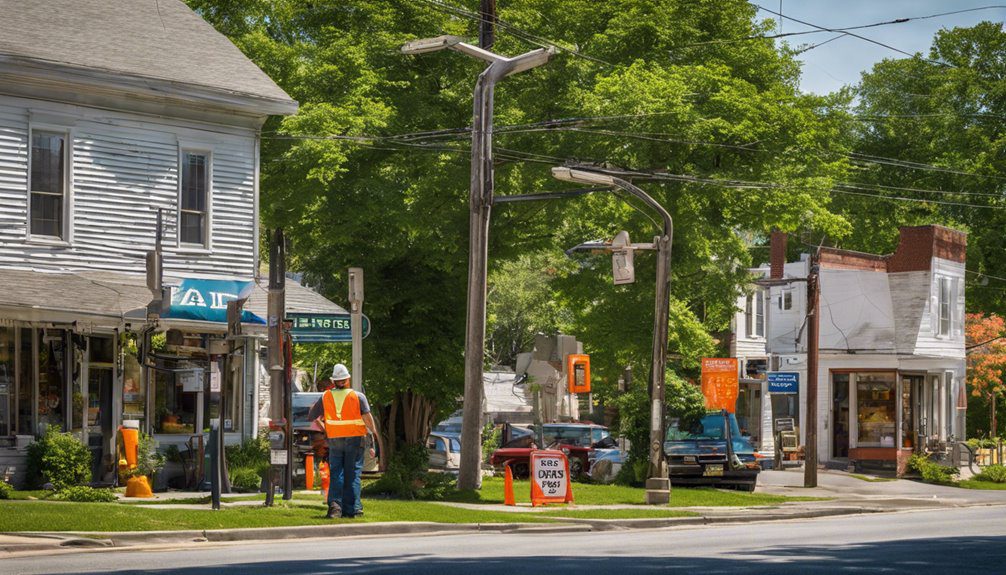
There are several types of electrician bonds that cater to different needs within the industry. The most common is the contractor license bond, which ensures that you adhere to local regulations and standards. If you don't comply, this bond protects clients by covering financial losses.

Another type is the performance bond. If a project isn't completed as promised, this bond provides a safety net for clients, ensuring they're compensated for any financial loss. It's crucial for building trust with your clients.

You might also encounter a payment bond, which guarantees that subcontractors and suppliers get paid. If you fail to pay them, this bond ensures they can recover their money, ultimately protecting your reputation.

Lastly, there are maintenance bonds, which cover any repair work needed after a project is completed. This bond reassures clients that you'll stand by your work, creating a lasting relationship.

Understanding these different types of bonds can help you choose the right one for your specific needs, ensuring you're well-prepared for any project and minimizing financial risks associated with your work as an electrician. Additionally, adhering to licensing laws is essential for maintaining your bond and protecting your business from potential liabilities.

Bonding Requirements in Pennsylvania

In Pennsylvania, electricians must meet specific bonding requirements to operate legally and protect their clients. One key requirement is obtaining a surety bond, which acts as a financial guarantee that you'll complete your work according to state regulations and standards. This bond typically ranges from $10,000 to $20,000, and it ensures that you'll fulfill your contractual obligations.

Additionally, you're required to register your bond with the appropriate state or local authorities. This step is crucial, as it ensures that your bond is accessible for any claims made against it. If a client experiences financial loss due to your failure to meet contractual terms, they can file a claim against your bond for compensation.

It's also important to stay updated on any changes in bonding laws or requirements, as these can vary by municipality. Ensuring that you have the correct bonding in place not only helps you comply with legal regulations but also builds trust with your clients. Understanding specific requirements is vital to ensure that your bond meets all necessary criteria.

Being properly bonded demonstrates your professionalism and commitment to quality work, making it easier for you to secure new projects and maintain a solid reputation in the industry.

How to Verify an Electrician's Bond

Before hiring an electrician, it's essential to check their bond to ensure they meet legal requirements and protect yourself from potential issues. Start by asking the electrician directly for proof of their bond. A reputable electrician should readily provide this documentation without hesitation.

Next, verify the bond with the issuing authority. You can typically find contact information for the bonding company or the state licensing board online. Give them a call or send an email to confirm that the bond is active and valid. This step ensures that the bond covers any liabilities that may arise during your project.

Additionally, check for any complaints or claims against the electrician's bond. You can search through state databases or consumer protection websites to find this information. It's crucial to know whether any past issues might affect your decision.

Lastly, review the bond's coverage limits. Make sure it aligns with the scope of work you're hiring the electrician for. Furthermore, understanding the purpose of surety bonds can provide valuable insight into the protections they offer during your hiring process.

Costs Associated With Electrician Bonds

Understanding the costs associated with electrician bonds is crucial for budgeting your project effectively. These bonds typically involve a premium you'll need to pay, which can range from 1% to 5% of the total bond amount. For instance, if you require a $10,000 bond, your premium might fall between $100 and $500.

The exact cost depends on various factors, including the electrician's credit history, the project's scope, and the bond amount itself. If the electrician has a strong credit score, you're more likely to secure a lower premium. Conversely, a poor credit history can lead to higher costs.

Additionally, you might face one-time fees when applying for the bond, which can include processing or administrative fees. Some bonding companies may also charge a maintenance fee if the bond is active for an extended period.

Lastly, it's important to consider renewal costs if your bond has a set expiration date. Overall, budgeting for these expenses will help ensure that your project runs smoothly without unexpected financial burdens. Insurance broker bonds ensure brokers are held accountable for ethical conduct and can impact costs based on claims history.

Always ask for a detailed breakdown of costs from your bonding company to avoid any surprises.

Claims Process for Electrician Bonds

When issues arise related to electrician work, knowing how to navigate the claims process for your bond can save you time and stress. The first step is to identify the nature of the claim. Is it about incomplete work, damages, or unpaid wages?

Once you've pinpointed the issue, gather all relevant documentation, such as contracts, invoices, and communication records. This information will help you build a solid case.

Next, reach out to your bonding company. They'll provide specific instructions on how to formally file a claim. Be prepared to explain the situation clearly and concisely.

After submitting your claim, the bonding company will investigate the matter, which may include reaching out to you and other parties involved for more information.

During this process, stay in regular contact with your bonding agent to ensure everything is progressing smoothly.

Once the investigation is complete, the bonding company will determine whether your claim is valid and what compensation, if any, you'll receive.

Common Misconceptions About Bonds

Many people hold misconceptions about electrician bonds that can lead to confusion and potential pitfalls. One common misunderstanding is that a bond guarantees the quality of work. In reality, a bond protects clients against financial loss if the electrician fails to meet contractual obligations, not the quality of the service itself.

Another misconception is believing that all electricians need a bond. While many do, it depends on local regulations and specific project requirements. Always check the licensing laws in your area to determine if bonding is necessary.

You might also think that a bond is the same as insurance. Although both provide protection, they're different. A bond is a promise by a third party to pay if the electrician defaults, while insurance covers damages or injuries that occur during work. Additionally, understanding the importance of surety bonds can help clarify their role in the business.

Benefits for Homeowners and Businesses
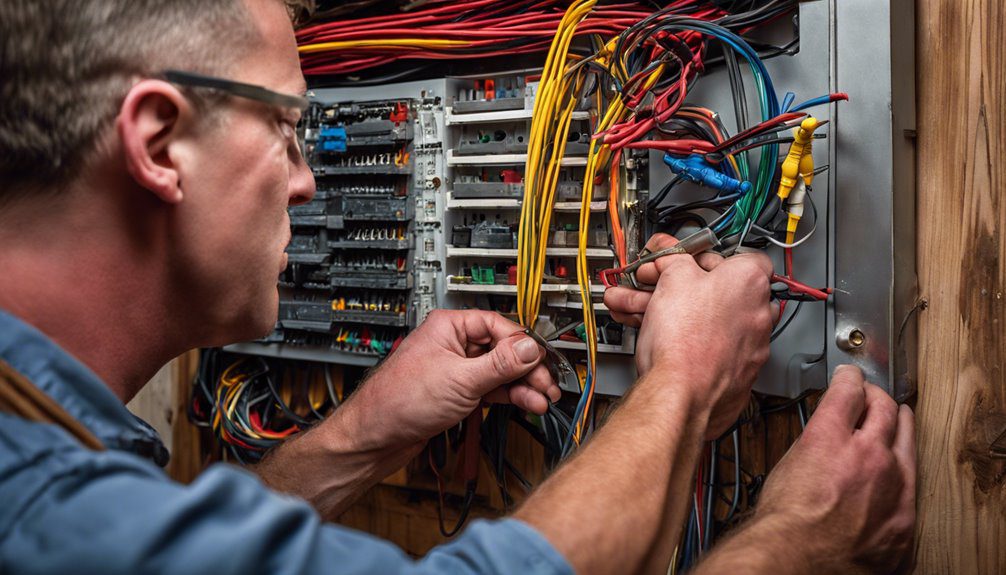
Homeowners and businesses reap significant benefits from hiring a bonded electrician. First and foremost, the bond acts as a safety net, ensuring that you're protected in case of incomplete work or damages. If an electrician fails to meet the agreed-upon standards, the bond can cover the costs of repairs or finding a replacement, giving you peace of mind.

Additionally, hiring a bonded electrician often means you're dealing with a professional who's committed to quality work. To obtain bonding, electricians must meet specific requirements, which often include having relevant licenses and insurance. This commitment translates into higher standards of service, reducing the chances of costly mistakes.

You'll also find that bonded electricians are more likely to stay current with industry standards and regulations. They understand the importance of safety and compliance, which minimizes risks in your home or business.

Furthermore, many bonded electricians offer warranties on their work, adding another layer of protection. In Minnesota, these professionals are often required to secure surety bonds to ensure compliance with state regulations, further enhancing their credibility.

In short, choosing a bonded electrician not only safeguards your investment but also ensures that you're working with a qualified professional dedicated to delivering quality results. It's a smart choice for any electrical project.

Finding Bonded Electricians in Chambersburg

Finding a reliable bonded electrician in Chambersburg can be a straightforward process if you know where to look. Start by checking online directories and local listings, like Yelp or Angie's List. These platforms often feature reviews from previous customers, helping you gauge the quality of work and reliability of the electricians.

Next, reach out to your friends, family, or neighbors for personal recommendations. Word-of-mouth referrals can lead you to trustworthy professionals who've proven their skills in the community.

Once you've compiled a list of potential electricians, verify their bonding and insurance status. A bonded electrician provides you with peace of mind, knowing they're financially responsible for their work. Additionally, ensure that the electrician meets North Carolina surety bond requirements, as this can enhance their credibility and compliance with local regulations.

Don't hesitate to ask for quotes and discuss your specific needs with each electrician. This not only gives you an idea of pricing but also allows you to assess their communication skills and professionalism.

Conclusion

In conclusion, ensuring your electrician in Chambersburg is bonded is essential for protecting your investment and ensuring quality work. By understanding the importance of electrician bonds and how to verify them, you can make informed decisions when hiring. Don't hesitate to ask for proof of bonding before starting any project. This simple step not only safeguards your home but also promotes accountability in the electrical industry. Trust a bonded electrician for peace of mind in your electrical needs!


bookmark_borderVirginia VDOT Bond

When you consider the virginia VDOT Bond, it's essential to understand how it serves as a backbone for the state's transportation infrastructure. This financial tool not only provides immediate capital for necessary projects but also relies on dedicated revenue streams like fuel taxes. While it promises benefits like job creation and enhanced connectivity, there are underlying challenges and risks that can impact its effectiveness. What are these challenges, and how do they shape the future of infrastructure funding in Virginia?

Overview of VDOT Bond

When you think about funding transportation projects in Virginia, the VDOT Bond often comes to mind as a crucial financial tool. This bond serves as a significant resource for the Virginia Department of Transportation (VDOT), allowing it to secure necessary funding for various infrastructure initiatives.

It's designed to support the development and maintenance of highways, bridges, and public transit systems across the state, ensuring that the transportation network remains robust and efficient.

By issuing VDOT Bonds, the state can access immediate capital, which is vital for addressing urgent transportation needs. This funding mechanism not only helps in tackling existing projects but also facilitates future improvements, fostering economic growth in the region.

You might be aware that these bonds are backed by the state's commitment to repay the borrowed funds, often through dedicated revenue streams, such as fuel taxes or tolls.

In essence, VDOT Bonds play a pivotal role in shaping Virginia's transportation landscape. They enable the state to invest in infrastructure that enhances connectivity and mobility, ensuring that residents and businesses can thrive.

Understanding the VDOT Bond's significance can help you appreciate its impact on transportation development in Virginia.

Purpose of VDOT Bonds

VDOT Bonds serve a vital purpose in financing Virginia's transportation infrastructure projects, enabling the state to address both immediate and long-term needs. By issuing these bonds, Virginia can secure necessary funds to improve roads, bridges, and public transit systems, which directly impacts your daily commute and overall quality of life.

When you consider the increasing population and its demands on transportation networks, VDOT Bonds become essential. They allow for the timely execution of projects that enhance safety and reduce congestion, ensuring you can travel more efficiently.

Moreover, these bonds help maintain existing infrastructure, preventing costly repairs down the line.

Investing in VDOT Bonds also stimulates the local economy. As construction projects get underway, jobs are created, and local businesses thrive with increased activity.

This investment in transportation not only benefits you as a traveler but strengthens the community as a whole.

Types of VDOT Bonds

Virginia employs several types of bonds to fund its transportation initiatives, each designed to meet specific financial needs and project goals.

One common type you'll encounter is general obligation bonds. These are backed by the full faith and credit of the state, meaning they're supported by tax revenues. They're typically used for larger, long-term projects.

Another type is revenue bonds, which you might see for specific projects that generate income, like toll roads or bridges. These bonds are repaid from the revenue generated by those projects, making them a more targeted financing option.

You may also come across grant anticipation revenue vehicles (GARVEEs). These bonds allow the state to borrow against future federal transportation grants, giving you a way to jumpstart projects that might otherwise face funding delays.

Lastly, there are private activity bonds, often used to encourage public-private partnerships. These bonds aim to attract private investment in transportation infrastructure, and they can provide a flexible funding source for innovative projects.

Each bond type plays a vital role in ensuring Virginia's transportation system remains efficient and effective.

Funding Mechanism Explained

How does the funding mechanism for Virginia's transportation initiatives work? The Virginia Department of Transportation (VDOT) uses a combination of state and federal funds, along with bonds, to finance various projects.

When VDOT issues bonds, it borrows money from investors, promising to pay them back with interest over time. This approach allows you to fund large-scale projects upfront instead of waiting for the gradual accumulation of tax revenues.

The bonds are typically backed by revenue sources, like gas taxes or vehicle registration fees, ensuring that there's a steady income stream to repay the investors. This mechanism not only accelerates project timelines but also gives you the ability to tackle critical infrastructure needs more effectively.

Additionally, when the bonds are sold, VDOT can leverage the capital to address immediate transportation challenges, from road repairs to new construction. It's a strategic way to manage cash flow while maintaining essential services.

Benefits for Infrastructure Projects

Infrastructure projects benefit significantly from the strategic use of bonds, allowing for quicker funding and implementation. When you utilize bonds, you unlock immediate capital, streamlining the process of getting projects off the ground. This timely access to funds means you can address urgent needs, like road repairs or bridge upgrades, without delay.

Additionally, obtaining performance bonds ensures that contractors fulfill their obligations, further enhancing project reliability.

Moreover, bonds can spread the financial burden over time. Instead of paying the entire project cost upfront, you can manage payments through scheduled bond repayments. This flexibility helps you allocate resources more efficiently, ensuring that other crucial projects remain funded.

Bonds also enhance project credibility. Investors and stakeholders are more likely to support initiatives backed by solid financial planning. When you issue bonds, it signals to the community that you're committed to improving infrastructure, fostering public trust and engagement.

Lastly, using bonds can lead to cost savings. With favorable interest rates, you might secure lower borrowing costs compared to traditional financing methods. This financial advantage means more resources can go into the actual construction and maintenance of infrastructure, maximizing the impact of every dollar spent.

Embracing bonds can truly elevate your infrastructure initiatives.

Impact on Virginia's Economy

Investing in bonds for infrastructure projects not only enhances project execution but also has a profound impact on Virginia's economy. When you fund these projects, you're directly contributing to job creation. The construction and maintenance of roads, bridges, and public transport systems require a skilled workforce, leading to immediate employment opportunities. This influx of jobs boosts local economies, as workers spend their earnings on goods and services.

Moreover, improved infrastructure increases the efficiency of transportation, reducing costs for businesses and consumers alike. When roads are well-maintained and traffic flows smoothly, businesses can transport goods faster and at lower costs, enhancing their competitiveness. You'll notice that this attracts new businesses to the area, further stimulating economic growth.

In addition, enhanced infrastructure can lead to increased property values. People are more likely to invest in areas with reliable transportation and public services, which can elevate the overall economic landscape of Virginia.

Ultimately, by investing in VDOT bonds, you're not just enhancing infrastructure; you're playing a crucial role in fostering a vibrant and prosperous Virginia economy for everyone.

Challenges and Risks

While the benefits of VDOT bonds are significant, several challenges and risks must be considered. One major concern is the potential for project delays. If a project takes longer than expected, costs can escalate, and budget overruns may occur, putting pressure on state resources.

You also need to be aware of the market conditions. Fluctuations in interest rates can impact the cost of borrowing, making it more expensive to finance projects when rates rise.

Another risk involves public opposition. If community members disagree with a project funded by VDOT bonds, it could lead to delays or even cancellations.

You should also consider the environmental impact. Projects might face scrutiny and regulatory hurdles if they threaten ecosystems or communities.

Future of VDOT Bonding

As Virginia looks ahead, the future of VDOT bonding is poised to evolve in response to changing economic landscapes and community needs.

You'll likely witness increased emphasis on sustainable infrastructure projects, driven by the demand for eco-friendly solutions. This shift not only addresses immediate transportation challenges but also considers long-term environmental impacts.

Moreover, technology will play a crucial role in shaping VDOT's bonding strategies. You might see enhanced data analytics and project management tools that improve transparency and efficiency, ensuring that funds are allocated effectively.

This could lead to more agile and responsive bonding processes that adapt to new priorities as they emerge.

In addition, community engagement is set to become a cornerstone of future bonding initiatives. You'll have opportunities to contribute your voice to project prioritization, ensuring that local needs are met.

This collaborative approach will likely foster greater trust between VDOT and the communities it serves.

As these changes unfold, it's essential to stay informed about new policies and funding opportunities. Your awareness can empower you to better understand how VDOT bonding will influence the future of transportation in Virginia.

How to Get Involved

Getting involved in VDOT bonding initiatives is easier than you might think. First, familiarize yourself with the current projects and proposals on the Virginia Department of Transportation's website. Understanding the scope of these initiatives will help you identify where your interests align.

Next, consider attending public meetings or community forums. These gatherings often provide insight into ongoing projects and allow you to voice your thoughts. Engaging with local leaders and VDOT representatives can also help you stay informed about future plans and opportunities for involvement.

You can also join advocacy groups focused on transportation and infrastructure development. These organizations often organize campaigns, outreach programs, and educational sessions, providing you with a platform to contribute your ideas and energy.

Furthermore, don't underestimate the power of social media. Follow VDOT on platforms like Twitter and Facebook to stay updated on bonding news and initiatives. By sharing your thoughts and encouraging others to engage, you can amplify the conversation around these critical projects.

Lastly, consider volunteering for local initiatives that align with VDOT goals. Your hands-on involvement can make a tangible difference in your community's infrastructure landscape.

Conclusion

In conclusion, the Virginia VDOT Bond plays a crucial role in enhancing the state's transportation infrastructure. By supporting vital projects and stimulating economic growth, these bonds not only improve connectivity but also pave the way for a sustainable future. As you consider getting involved, remember that your participation can help ensure the continued success of Virginia's transportation systems. Embrace this opportunity to contribute to a thriving economy and a better-connected community for everyone.

bookmark_borderChambersburg, Pa-Plumber Bond

If you're considering a career in plumbing in Chambersburg, PA, understanding the significance of a plumber bond is crucial. This bond not only ensures compliance with local regulations but also protects your clients and enhances your professional credibility. You might wonder about the specific requirements for obtaining such a bond and how it can benefit your business in the long run. As you explore these aspects, you'll find that the implications of being bonded extend beyond mere compliance, influencing your opportunities and reputation in the community. What does that mean for your future?

Understanding Plumber Bonds

Plumber bonds serve as a crucial safety net for both consumers and professionals in the plumbing industry. If you're a plumber, these bonds protect you against potential financial pitfalls that may arise during your work. When you obtain a plumber bond, you're essentially securing a promise to fulfill your contractual obligations responsibly. This means you'll deliver quality work and comply with local laws and regulations.

For consumers, a plumber bond acts as a reassurance. By hiring a bonded plumber, you know that if something goes wrong—like incomplete work or financial loss due to negligence—you've got recourse. The bond provides a safety net, ensuring you can seek compensation if needed.

Understanding the requirements for obtaining a plumber bond is essential. Typically, you'll need to meet specific licensing criteria and may even have to undergo a background check. This process ensures that only qualified professionals can operate in your area.

Importance of a Plumber Bond

Having a plumber bond is vital for anyone involved in the plumbing industry, whether you're a contractor or a homeowner. It serves as a safety net, protecting you from potential financial losses due to poor workmanship or failure to comply with regulations.

When you hire a bonded plumber, you can rest easy knowing that they're held accountable for their work. If something goes wrong, you have recourse to claim against the bond, ensuring you're not left to bear the costs alone.

For contractors, having a bond enhances your credibility in the eyes of clients. It shows that you're committed to professional standards and that you take your responsibilities seriously. This can give you a competitive edge, making it easier to attract clients who prioritize reliability and quality.

As a homeowner, hiring a bonded plumber provides peace of mind. You're not just hiring a service; you're investing in a promise of quality and accountability.

In a field where mistakes can lead to costly repairs, having a plumber bond is more than just a requirement; it's an assurance that protects your interests and fosters trust in the plumbing profession.

Requirements for Obtaining a Bond

To secure a plumber bond, you'll need to meet several specific requirements set by your state or local regulations.

First, you'll typically need to possess a valid plumbing license, demonstrating your qualifications and expertise in the field. It's crucial to have up-to-date training and certifications, so ensure you're compliant with any continuing education requirements.

Next, you'll likely have to provide proof of liability insurance. This protects both you and your clients in the event of accidents or damages. Some jurisdictions may also require you to submit financial statements to show your firm's stability.

Additionally, you might need to undergo a background check to verify your professional history and ensure you have no significant legal issues. This step helps maintain the integrity of the plumbing industry.

Lastly, be prepared to pay a bond premium, which is usually a percentage of the total bond amount. This cost can vary based on factors like your credit score and the bond amount required. Obtaining a plumber bond is essential to comply with licensing laws that protect consumers and ensure ethical practices in the industry.

Once you meet these requirements, you'll be well on your way to obtaining your plumber bond and legally operating your plumbing business.

Types of Plumber Bonds

Understanding the different types of plumber bonds is vital for anyone looking to operate within the plumbing industry. These bonds serve as a safety net, protecting consumers and ensuring that you're compliant with state regulations.

The most common type is the contractor's bond. This bond guarantees that you'll adhere to local laws and regulations while providing plumbing services. If you fail to meet these obligations, the bond can compensate clients for damages or incomplete work.

Another type is the performance bond. This bond assures clients that you'll complete the job according to the agreed terms and conditions. If you don't, the bond can cover the costs of hiring another contractor to finish the work.

Lastly, you may encounter a license bond. This bond is specifically designed to ensure that you've met all licensing requirements to operate legally. It protects consumers from unethical practices and ensures you're maintaining industry standards. Additionally, having these bonds can enhance the credibility and trustworthiness of your plumbing business, making it more appealing to potential clients.

How to Apply for a Bond

Applying for a bond can seem daunting, but breaking it down into manageable steps makes the process smoother.

First, you'll need to determine the type of bond you require, based on your specific plumbing needs and local regulations. Next, gather the necessary documentation, which typically includes your business license, proof of insurance, and any relevant certifications.

Once you've got your paperwork in order, research bonding companies to find one that fits your needs. Reach out to them to get quotes and ask about their application process. Some companies may allow you to apply online, while others might require you to submit physical copies of your documents.

When filling out the application, be honest and thorough. Inaccurate information can delay the process or result in denial.

After submitting your application, be prepared for a background check, which may include your credit history and previous business dealings. Understanding the bond requirements is crucial for maintaining market credibility.

Once approved, you'll pay a premium to secure the bond, and you'll receive a certificate as proof of bonding. Keep this document accessible, as you might need it for job applications or licensing renewals.

Following these steps will help ensure a successful bond application process.

Benefits of Being Bonded

Being bonded offers several key benefits that can significantly enhance your plumbing business.

First, it boosts your credibility. Clients feel more secure hiring a bonded plumber, knowing that you have financial backing that protects them from potential losses. This sense of security can lead to more job opportunities and referrals.

Second, being bonded often means you comply with industry regulations, which can open doors to larger contracts. Many commercial clients require contractors to be bonded, so this qualification helps you tap into that market.

Additionally, if you ever face claims due to mishaps or unfinished work, your bond can cover the costs, shielding your personal finances. This protection allows you to focus on growing your business without constant worry.

Moreover, being bonded can give you a competitive edge. When potential clients compare your services with others, your bond can be a deciding factor that sets you apart.

Lastly, being bonded often reflects a commitment to professionalism and quality, making clients more inclined to trust you. Furthermore, having a surety bond can ensure compliance with state regulations, adding an extra layer of protection for your business.

In today's competitive market, these benefits can make a significant difference in your plumbing business's success.

Conclusion

In conclusion, securing a plumber bond in Chambersburg is crucial for your plumbing business. It not only boosts your credibility and trustworthiness but also helps you comply with local regulations. By understanding the requirements and benefits of being bonded, you can enhance your reputation and access more significant contracts. Don't underestimate the value of a plumber bond—it's an investment in your professional future and a safeguard for your clients. Take that step today!

bookmark_borderVirginia Skill Game Machine Distributor or Owner Bond ($250,000) Bond

If you're considering entering the skill game market in Virginia, understanding the $250,000 bond requirement is essential. This bond not only safeguards your operations but also reinforces your credibility in a competitive industry. You'll need to showcase a solid financial history and a well-structured business plan to qualify. But what are the implications of failing to secure this bond, and how can it affect your business in the long run? Exploring these questions can shed light on the vital role this bond plays in your success.

Overview of the Bond

Virginia's Skill Game Machine Bond is often a crucial requirement for operators looking to legally run skill games in the state. This bond serves as a financial guarantee that you'll comply with all relevant laws and regulations governing skill gaming.

It's not just a formality; it's a safeguard against potential financial losses incurred due to non-compliance or unethical practices.

When you apply for this bond, you'll typically need to secure a $250,000 coverage amount. This means that if you violate any rules, the bond can be used to compensate affected parties.

The bonding process involves a thorough review of your financial history and business practices, which helps ensure that only responsible operators enter the market.

Maintaining this bond is vital for your business's credibility and legality. You'll need to keep it active and up-to-date, as failure to do so could result in penalties or the suspension of your ability to operate.

Understanding the ins and outs of the Skill Game Machine Bond is essential for anyone serious about entering the Virginia skill gaming industry. Make sure you're well-informed and prepared to meet all bonding requirements.

Importance of the Bond

Understanding the importance of the Skill Game Machine Bond is essential for anyone operating in the competitive landscape of skill gaming. This bond serves as a financial safety net, ensuring that you comply with state regulations and maintain ethical business practices.

As with other license and permit bonds, securing this bond demonstrates your commitment to operating responsibly, which can enhance your credibility in the market.

Moreover, having this bond protects your customers and the gaming community. It assures players that they're engaging in a fair and regulated environment, which can lead to increased trust and patronage.

If any disputes arise, the bond provides a means for affected parties to seek compensation, reinforcing the integrity of your business.

Additionally, many venues and partners may require proof of bonding before allowing you to operate within their establishments. This requirement can limit your opportunities if you don't have the bond in place.

Eligibility Requirements

To qualify for the Skill Game Machine Bond, you'll need to meet specific eligibility requirements that demonstrate your ability to operate within state regulations.

First, you must be a legal resident of Virginia or a business entity registered in the state. This ensures that you're accountable to local laws and regulations.

Next, you should have a clean financial history. Lenders and regulatory bodies typically look for any past bankruptcies, liens, or significant financial issues that could impact your ability to fulfill your bond obligations.

Additionally, having a solid business plan that outlines your operations and compliance with state laws is essential.

You'll also need to provide proof of any necessary licenses to operate skill game machines in Virginia. This includes ensuring that your machines meet state standards and regulations.

If you're a distributor, you may need to show that you have contracts with establishments that will house your machines.

Application Process

The application process for obtaining a Skill Game Machine Bond involves several straightforward steps that you need to follow carefully.

First, gather the necessary documentation, including your business license, identification, and any other required permits. These documents will help verify your eligibility and ensure compliance with Virginia regulations.

Next, you'll need to fill out the bond application form accurately. Make sure to provide all requested information, as incomplete applications can lead to delays or denials.

After you've completed the form, submit it along with the required documentation to the bonding company or surety you've chosen.

Once your application is submitted, the bonding company will review it and may conduct a background check. They'll assess your creditworthiness and business history to determine your eligibility for the bond.

If everything checks out, you'll receive a bond quote.

Cost and Premiums

When it comes to securing a Skill Game Machine Bond, cost and premiums can vary based on several factors. Your financial history, credit score, and the specific bond amount you need all play a significant role in determining what you'll pay.

Generally, you can expect to pay a percentage of the total bond amount as your premium. For a $250,000 bond, this could range from 1% to 10%, depending on your circumstances. Additionally, understanding the different types of bonds available, such as contract bonds, can help you navigate the bonding process more effectively.

If you have a good credit score, you'll likely secure a lower premium. On the other hand, if your credit history shows issues, you might face higher costs. Additionally, the bonding company's underwriting guidelines could influence your premium; some may be more lenient than others.

It's also wise to shop around and compare quotes from various bonding companies. This way, you can find the best rate for your situation.

Compliance and Renewal

Maintaining compliance with regulations is essential for keeping your Skill Game Machine Bond active and valid. To ensure you meet all requirements, stay updated on any changes in state laws and local ordinances related to skill game machines. Regularly review your licensing status and ensure your operations align with the latest guidelines.

You'll also need to renew your bond periodically, typically on an annual basis. Set reminders well in advance of your renewal date to avoid any lapses. During the renewal process, you may need to provide updated documentation, such as financial statements or proof of compliance with local regulations.

If any issues arise during your operations, address them immediately to prevent complications with your bond. Failing to do so could lead to penalties or even the cancellation of your bond.

Keep a good relationship with your bonding company; they can offer guidance and support throughout the compliance process. By staying proactive and organized, you'll ensure your Skill Game Machine Bond remains in good standing, allowing you to operate smoothly and avoid unnecessary interruptions.

Conclusion

In summary, the Virginia Skill Game Machine Distributor or Owner Bond is vital for anyone looking to operate skill games in the state. It not only ensures compliance with regulations but also protects customers and bolsters your business's credibility. By understanding the eligibility requirements and application process, you can successfully secure this bond. Remember to stay compliant and renew regularly to maintain your operational legitimacy and trust within the gaming community.

bookmark_borderPennsylvania Overweight Oversize Hauling Permit Bond

When you’re navigating the complexities of transporting oversized loads in Pennsylvania, understanding the Overweight Oversize Hauling Permit Bond is essential. This bond isn’t just a formality; it’s a financial safety net that ensures you comply with state regulations and protect both your business and public infrastructure. You might be wondering about the specific requirements and the application process, which can seem daunting. However, knowing how to secure this bond can make all the difference in your operations and reputation. What steps should you take next to ensure compliance and efficiency?

Definition of the Permit Bond

When you apply for a Pennsylvania overweight oversize hauling permit bond, you’re essentially securing a financial guarantee that ensures compliance with state regulations. This bond acts as a safeguard for both you and the state, confirming that you’ll adhere to all applicable laws during your hauling activities. It’s a crucial part of the permitting process for vehicles that exceed standard size and weight limits.

Essentially, the permit bond serves as a promise to the state that you won’t engage in any unlawful practices while transporting oversized loads. If you violate any regulations—such as damaging infrastructure or failing to pay fines—the bond can cover any financial repercussions. This means that you’re not just protecting yourself; you’re also ensuring that state resources aren’t misused.

Obtaining this bond requires you to pay a premium, which varies based on factors like your credit score and the size of the load. Additionally, the bond is often necessary for regulatory compliance with state and federal requirements. Once acquired, the bond is typically valid for a set period, ensuring ongoing compliance.

Importance of the Bond

Understanding the importance of the Pennsylvania overweight oversize hauling permit bond is crucial for anyone involved in transporting large loads. This bond acts as a financial safety net, protecting the state and the public from potential damages that could occur during your transport. If you fail to comply with regulations or cause damage to public property, the bond ensures that funds are available for compensation, reducing the burden on taxpayers.

Moreover, having this bond demonstrates your commitment to responsible hauling practices. It shows regulatory authorities that you take your responsibilities seriously, which can enhance your reputation within the industry. When you have a bond in place, it can also streamline the permitting process, making it easier for you to secure the necessary permits for your loads.

Additionally, the bond can provide peace of mind. Knowing you’re protected financially allows you to focus on your work without the constant worry of unforeseen liabilities. Furthermore, securing the bond can enhance your business’s credibility and professionalism, giving you a competitive edge in the hauling industry.

Ultimately, the Pennsylvania overweight oversize hauling permit bond isn’t just a requirement—it’s a vital part of running a safe and reliable hauling operation. Prioritizing this bond can save you time, money, and headaches down the road.

Eligibility Requirements

To qualify for the Pennsylvania overweight oversize hauling permit bond, you’ll need to meet specific eligibility requirements set by the state.

First, you must be a legal entity, which means you’re either an individual, partnership, corporation, or LLC. Make sure you’ve registered your business with the appropriate state authorities.

Next, you’ll need to have a valid Pennsylvania Department of Transportation (PennDOT) number. This number shows that you’re recognized by the state as a legitimate hauling operation. Additionally, you’ll need to comply with all local, state, and federal regulations related to overweight and oversize loads.

Your driving record also plays a crucial role. Ensure that your drivers hold valid commercial driver’s licenses (CDLs) and have clean driving records free of serious violations. It’s essential to demonstrate financial responsibility, which means having adequate insurance coverage for your operations.

Application Process

Once you’ve confirmed your eligibility, the next step is to navigate the application process for the Pennsylvania overweight oversize hauling permit bond.

To get started, gather all necessary documentation, including your business information, vehicle details, and any relevant permits. This information will help streamline your application.

Next, visit the Pennsylvania Department of Transportation (PennDOT) website or contact their office to obtain the official application form. Fill it out carefully, ensuring all sections are completed accurately. Double-check your entries to avoid any errors that could delay the process.

Once your application is complete, submit it along with any required supporting documents. Depending on your situation, you may also need to provide proof of insurance or other endorsements.

After submitting your application, monitor its status by contacting PennDOT or checking their online portal. Keep in mind that processing times can vary, so be patient. If PennDOT requires additional information or clarification, respond promptly to avoid further delays. By following these steps, you’ll be well on your way to securing your Pennsylvania overweight oversize hauling permit bond.

Cost of the Bond

Calculating the cost of the Pennsylvania overweight oversize hauling permit bond involves several factors that can impact your budget.

First, the bond amount required will vary based on the size and weight of the load you’re hauling. Typically, this amount can range from ,000 to $100,000, depending on the specifics of your operation.

Next, the premium you pay for the bond is influenced by your credit score and financial history. A higher credit score usually means a lower premium, while a lower score can increase your costs. On average, you might pay anywhere from 1% to 10% of the bond amount annually.

Additionally, the bonding company may consider the type of cargo you’re transporting and your experience in the industry. This can also affect your overall rates. It’s wise to compare quotes from multiple bonding companies to find the best deal. Local government requirements may also dictate specific bond types necessary for your operation.

Remember, investing in your bond is crucial for compliance and safeguarding your business, so make sure you factor this into your operating expenses.

Duration and Renewal

When it comes to the duration and renewal of your Pennsylvania overweight oversize hauling permit bond, it’s essential to understand the typical timeframe involved. Generally, your bond is valid for a specific period, often a year. You’ll need to keep track of the expiration date to ensure continuous coverage.

As the expiration date approaches, it’s crucial to begin the renewal process. Most bonding companies will notify you when it’s time to renew, but it’s wise to take the initiative. You can usually complete the renewal process with minimal hassle, often by providing updated information or paying the renewal premium.

Remember, if you let your bond lapse, it could lead to delays in getting your permits, and potentially legal complications. So, stay proactive in managing your bond status.

In some cases, you may also have the option to set up an automatic renewal, which can simplify the process. Ensure you read the terms carefully to avoid any surprises. Keeping your bond current not only protects you and your business but also ensures compliance with state regulations, enabling you to haul oversized loads without interruption.

Legal Obligations

What legal obligations do you need to be aware of when hauling oversized loads in Pennsylvania?

First, you must obtain the necessary permits before you start your journey. Pennsylvania requires you to apply for an overweight or oversize permit through the Department of Transportation (PennDOT). Make sure to include all pertinent details, such as the dimensions and weight of your load.

You’re also responsible for ensuring your vehicle meets the state’s safety standards. This includes having valid registration and insurance coverage. Additionally, you should familiarize yourself with the specific routes allowed for oversized loads, as some roads may have restrictions or require special accommodations.

Another key obligation is to notify local authorities, such as police or traffic departments, if your load is particularly large or if you plan to travel during peak hours. This ensures public safety and smooth traffic flow.

Lastly, always stay updated on any changes to regulations or permit requirements. Regulations can vary by municipality, so knowing local laws can help you avoid potential issues.

Consequences of Non-Compliance

Frequently ignoring the legal requirements for hauling oversized loads in Pennsylvania can lead to serious consequences.

You risk facing hefty fines and penalties that can significantly impact your business’s bottom line. Law enforcement officials often monitor compliance, and being pulled over for an inspection could result in immediate citations.

In addition to financial penalties, you may also encounter operational setbacks. Non-compliance can lead to the impoundment of your vehicle, delaying your delivery schedule and causing potential loss of contracts. Your reputation is at stake, too; clients prefer to work with carriers who adhere to regulations. If you repeatedly violate the rules, you could find it challenging to secure future contracts or partnerships.

Moreover, accidents involving oversized loads can lead to severe legal repercussions, including lawsuits and increased insurance premiums. You might also face liability claims if your non-compliance contributes to a roadway incident.

Tips for Obtaining the Bond

To avoid the serious repercussions of non-compliance, securing an overweight oversize hauling permit bond is a vital step for your business.

First, research the specific requirements for Pennsylvania. Each state has its own regulations, so understanding these will help you prepare.

Next, gather all necessary documentation, including your business license, insurance information, and any previous permits you’ve held. This paperwork will streamline the bonding process and demonstrate your compliance history.

When you’re ready, shop around for bonding companies. Compare rates and terms, as they can vary significantly. Look for a bonding provider with a solid reputation and experience in overweight oversize permits. Don’t hesitate to ask questions. Clarifying any uncertainties before committing can save you headaches later.

Once you’ve chosen a bonding company, be proactive in your communication. Respond promptly to requests for additional information to expedite the approval process.

Additional Resources and Support

Finding additional resources and support can make a significant difference in your journey to secure an overweight oversize hauling permit bond in Pennsylvania.

Start by checking with the Pennsylvania Department of Transportation (PennDOT) for detailed guidelines and requirements. They provide up-to-date information and can answer your specific questions. For official state regulations, you can refer to the PennDOT website.

Consider joining industry associations, such as the Pennsylvania Motor Truck Association. These organizations often offer valuable resources, networking opportunities, and insights from experienced professionals who’ve navigated the same process. You can also connect with local trucking companies; they may share tips or even recommend reliable bonding agents.

Online forums and social media groups dedicated to trucking can be another great resource. You’ll find discussions with real-world advice from others who’ve recently obtained their permits.

Additionally, don’t hesitate to reach out to bonding companies directly. They typically have experts who can guide you through the process and help you understand the necessary paperwork and requirements.

Conclusion

In summary, securing the Pennsylvania overweight oversize hauling permit bond is essential for your business’s compliance and reputation. It not only protects state resources but also helps you avoid costly fines and damages while ensuring public safety. By understanding the eligibility requirements and application process, you can streamline your operations and enhance your commitment to safe hauling. Don’t overlook this vital step; obtaining the bond is a smart move for your trucking business’s success.

bookmark_borderFairfax County, VA-Electrical Contractor ($20,000) Bond

If you're an electrical contractor in Fairfax County, VA, understanding the $20,000 bond requirement is crucial for your business. This bond doesn't just protect your clients; it also enhances your credibility in a competitive market. You might wonder what steps are involved in securing this bond and how it impacts your operations. The process can seem daunting, but the benefits of being bonded often outweigh the challenges. Curious about how this bond can influence your reputation and financial stability? Let's explore what you need to know.

Understanding the ,000 Bond

A $20,000 bond serves as a crucial financial safeguard for electrical contractors in Fairfax County. This bond guarantees that you'll adhere to local regulations and codes while performing electrical work. Essentially, it acts as a form of insurance, protecting both you and your clients from potential financial losses due to your actions or mistakes.

Furthermore, obtaining a bond is often a regulatory requirement, similar to the necessary Illinois Surety Bonds for various industries, ensuring compliance and protection against financial loss.

When you obtain this bond, you're making a commitment to operate ethically and responsibly. If you fail to meet your obligations, clients can file a claim against the bond, which can cover damages up to the bond amount. This means you might face financial repercussions, but it also underscores your accountability as a contractor.

Securing the bond isn't just a formality; it's a vital step in building trust with your clients. They'll feel more comfortable knowing you have this financial backing, which can enhance your reputation in the competitive market.

Moreover, many clients might require proof of bonding before hiring you for a project.

In short, understanding the $20,000 bond is essential for your success as an electrical contractor in Fairfax County. It protects your clients and establishes you as a credible professional in the field.

Importance of Bonding for Contractors

Bonding is essential for contractors, as it not only provides financial protection but also builds trust with clients. When you're bonded, it shows that you're serious about your work and that you're committed to following regulations and standards. This trust can lead to more clients and larger projects, as people feel more secure in hiring you.

Additionally, securing a bond can streamline the bonding process for contractors and businesses, making it easier to focus on project delivery and client satisfaction surety bonding needs.

A bond acts as a safety net for your clients. If something goes wrong—like a project delay or poor workmanship—they can file a claim against your bond to recover losses. This accountability can set you apart from unbonded contractors, giving you a competitive edge.

Additionally, being bonded can enhance your reputation in the industry. Clients often prefer to work with contractors who are bonded, as it demonstrates professionalism and reliability. It reflects your commitment to quality and compliance, which can lead to repeat business and referrals.

Ultimately, bonding isn't just a requirement; it's a strategic advantage. By securing a bond, you're not only protecting yourself financially but also fostering lasting relationships with your clients. This trust can translate into a robust and successful business in the long run.

Requirements for Obtaining the Bond

To secure a Fairfax County electrical contractor bond, you'll need to meet specific requirements that demonstrate your credibility and financial stability.

First, you'll need to provide proof of your business license. This shows that you're legally allowed to operate as an electrical contractor in the area. Additionally, securing a bond is crucial as it ensures compliance with laws and regulations for licensed businesses, protecting the public from potential malpractice by contractors, which is a fundamental aspect of License and permit bonds.

Next, you'll typically need to submit financial statements, which may include balance sheets and income statements. These documents help ensure you have the financial resources to fulfill your obligations.

Additionally, many bonding companies require a credit check. A good credit score can make it easier to secure your bond and may even lower your premium.

You may also need to provide references from previous clients or contractors to showcase your reliability and professionalism. Some companies might ask for proof of insurance, specifically general liability coverage.

Lastly, be prepared to pay a premium, which is a percentage of the bond amount. This premium varies based on your creditworthiness and other financial factors.

Application Process Overview

Navigating the application process for a Fairfax County electrical contractor bond involves several key steps that ensure you meet all necessary criteria.

First, you'll need to gather the required documentation. This typically includes proof of your licensing, a completed application form, and any specific financial information the surety company may request.

Next, you should choose a reputable surety bond company. Research your options and compare their rates and services.

Once you've selected a provider, you can submit your application along with the required documentation. Be prepared to answer questions regarding your business operations and financial standing, as these factors can impact your bond approval.

After submitting your application, the surety company will conduct a review, which might include a credit check. They'll evaluate your qualifications and determine the bond premium based on your risk profile.

If approved, you'll receive a bond agreement to sign.

Costs Involved in Securing the Bond

How much should you expect to pay for a Fairfax County electrical contractor bond? The cost typically ranges from 1% to 3% of the bond amount, which is $20,000 for electrical contractors. This means you could pay between $200 and $600 annually.

Several factors influence this cost, including your credit score, business financial history, and experience in the electrical field. If you have a strong credit score, you'll likely pay a lower premium. Conversely, if your credit isn't great, you might find yourself on the higher end of the scale.

Additionally, some surety companies may offer discounts for long-standing contractors or those with a clean work history, so it pays to shop around.

Don't forget to consider other potential fees, like application or processing charges, which could add to your overall costs. It's essential to read the fine print and understand what's included in the bond premium.

Benefits of Being Bonded

Being bonded offers multiple advantages that can significantly enhance your electrical contracting business. First and foremost, it builds trust with your clients. When potential customers see that you're bonded, they feel more secure knowing they're working with a professional who's committed to completing projects according to industry standards. This can lead to increased customer confidence and a higher likelihood of securing contracts.

Additionally, being bonded can set you apart from competitors. Many clients actively seek bonded contractors, viewing this as an indicator of reliability and professionalism. This distinction can help you win more bids and expand your client base.

Moreover, bonding protects you and your clients in case of unforeseen circumstances. If a project goes awry or if you fail to meet your contractual obligations, the bond can provide financial compensation to the affected parties. This not only safeguards your reputation but also minimizes potential financial losses.

Lastly, being bonded can enhance your credibility with suppliers and subcontractors. It signals that you operate with integrity and are serious about your business, which can lead to better relationships and opportunities in the industry.

Common Challenges in Bonding

Securing a bond can present several challenges that electrical contractors must navigate effectively. One common hurdle is the underwriting process, which can be quite rigorous.

Sureties often require detailed financial statements, proof of experience, and sometimes even personal credit history. If your financials aren't strong or you lack a solid track record, it can lead to higher premiums or even bond denial.

Another challenge involves finding the right surety company. Not all sureties are the same, and you may struggle to find one that specializes in electrical contracting. This can result in delays and added stress as you try to meet project deadlines.

Additionally, some contractors underestimate the importance of maintaining a good reputation. If you've had past claims or disputes, it can significantly impact your ability to secure a bond.

Maintaining Compliance With Regulations

Maintaining compliance with regulations is crucial for electrical contractors, as it not only ensures project success but also protects your reputation and bond status. To achieve this, you need to stay informed about local, state, and federal codes that govern electrical work. Regularly reviewing these regulations helps you avoid mistakes that could lead to fines or legal issues.

You should also keep accurate records of all your work, including permits, inspections, and safety protocols. This documentation serves as proof of compliance and can be invaluable if questions arise about your work.

Make it a habit to attend training sessions and workshops to stay updated on the latest industry standards and technological advancements.

Additionally, consider joining a professional organization that focuses on electrical contracting. These groups often provide resources, guidance, and networking opportunities that can help you navigate compliance challenges.

If you encounter issues, don't hesitate to consult with legal or industry experts who can offer specific advice tailored to your situation.

Resources for Electrical Contractors

Accessing the right resources can significantly enhance your effectiveness as an electrical contractor. To stay ahead, you'll want to tap into industry associations like the National Electrical Contractors Association (NECA) or the International Brotherhood of Electrical Workers (IBEW). These organizations offer training, networking opportunities, and essential updates on regulations and best practices.

Don't overlook local resources either. Fairfax County provides access to building codes, zoning regulations, and permits through its official website. Familiarizing yourself with these documents can save you time and help you avoid costly mistakes.

Consider investing in software specifically designed for electrical contractors. Programs like AccuBid or ProContractor streamline estimating, project management, and accounting, making your workflow more efficient.

Additionally, online forums and social media groups can be invaluable. Engaging with your peers allows you to share experiences, troubleshoot common issues, and discover new techniques.

Lastly, keep a library of trade magazines and publications. Staying informed about the latest trends and technologies will keep you competitive in the field.

Conclusion

In conclusion, securing a $20,000 bond in Fairfax County is essential for electrical contractors. It not only protects your clients but also boosts your credibility in a competitive market. By understanding the bonding process and meeting the requirements, you can enhance your reputation and ensure compliance with local regulations. Remember, being bonded is an investment in your business's future, helping you build trust with clients and navigate potential challenges with confidence.

bookmark_borderPhiladelphia, PA-Curb Setter Bond

If you're a contractor in Philadelphia, understanding the curb setter bond is crucial for your projects. This bond not only safeguards the city and its residents from potential damages but also bolsters your credibility in a competitive market. You might be wondering who exactly needs this bond and what the costs are associated with obtaining it. As you navigate the requirements, consider how this bond can impact your business relationships and project success. What other factors should you keep in mind as you engage with local regulations?

What Is a Curb Setter Bond?

A curb setter bond is a type of surety bond that ensures compliance with local regulations for those involved in the installation of curbs and related infrastructure. If you're planning to engage in curb setting, you'll need to obtain this bond to guarantee your work meets municipal standards.

This bond essentially acts as a safety net, protecting the city and its residents from any financial loss due to non-compliance or negligent work practices.

When you secure a curb setter bond, you're making a commitment to uphold the local building codes and regulations. It's not just a formality; it shows your dedication to quality and responsibility in your work.

Should you fail to meet the required standards, the bond compensates for any damages incurred, ensuring that the city can rectify the situation without bearing the financial burden.

In addition to protecting the city, having a curb setter bond can enhance your credibility as a contractor. Clients often prefer working with bonded professionals, as it demonstrates a level of trustworthiness and adherence to licensing laws and industry standards.

Importance of the Curb Setter Bond

Obtaining a curb setter bond not only fulfills legal requirements but also plays a vital role in your reputation as a contractor. When you're bonded, it signals to clients and the community that you're trustworthy and financially responsible. This assurance can help you stand out in a competitive market, attracting more clients who seek reliable services.

Moreover, having a curb setter bond protects your clients. If any issues arise from your work—like improper installation or failure to meet local codes—your bond ensures that they can recover financial losses. This demonstrates your commitment to quality and can lead to positive word-of-mouth referrals.

Another important aspect is compliance with local regulations. Many municipalities require curb setter bonds, and not having one can lead to penalties or project delays. Additionally, obtaining a curb setter bond enhances your business's credibility, which is crucial for building long-term relationships with clients.

Who Needs a Curb Setter Bond?

Contractors involved in curb setting projects typically need a curb setter bond to operate legally and effectively. If you're a contractor specializing in curb installation, this bond is essential for your business. It demonstrates your commitment to complying with local regulations and standards, ensuring that you perform your work responsibly and ethically.

Municipalities often require this bond to protect the public and guarantee that you'll complete your projects according to the specified guidelines. Without it, you may face penalties, including the potential loss of your license or the inability to bid on projects.

This bond also provides a safety net for clients, giving them confidence that you'll address any issues that arise during your work. If you're involved in roadway construction, landscaping, or any project that requires curb installation, you should consider obtaining a curb setter bond.

It not only fulfills legal requirements but also enhances your reputation in the industry. Having this bond can set you apart from competitors and build trust with clients, making it a crucial aspect of your business operations. Additionally, the bond serves as a form of performance security to ensure project completion and compliance with contractual obligations.

Don't overlook the importance of securing a curb setter bond to ensure your success in the field.

Requirements for Obtaining a Bond

When you're ready to secure a curb setter bond, certain requirements must be met to ensure a smooth application process. First, you'll need to provide proof of your identity and business registration. This typically includes your Social Security number, an Employer Identification Number (EIN), and any relevant licenses or permits that demonstrate your authority to operate in the curb setting business.

Next, you'll likely need to submit a completed bond application form. This form gathers essential information about your business practices and financial stability. It's crucial to be accurate and thorough in your responses to avoid delays.

Additionally, most surety companies will require a credit check. Your credit history plays a significant role in determining your eligibility and the terms of the bond. If your credit is less than stellar, don't worry; you may still qualify, but you might face higher premiums.

Lastly, be prepared to pay a bond premium, which is often a percentage of the total bond amount. Once you've gathered all necessary documents and information, you can proceed with your application, paving the way for your curb setter bond approval. Understanding the regulatory framework of surety bonds in your state can also help streamline the process.

Costs Associated With the Bond

The costs associated with a curb setter bond can vary based on several factors, including the bond amount and your creditworthiness. Typically, you'll pay a premium that's a percentage of the total bond amount. This percentage usually ranges from 1% to 10%, depending on your financial history and the risk you present to the surety company.

If your credit score is good, you might find yourself on the lower end of that scale, making it more affordable. However, if you have a poor credit score, expect to pay a higher premium.

Additionally, keep in mind that other factors like your business's financial stability and experience in the industry can also affect the rate.

You should also consider any additional fees that may be included, such as application fees or renewal fees. It's crucial to read the fine print and ensure you understand all the costs involved.

Before committing, it's wise to shop around and compare quotes from multiple surety companies. This way, you can find the best deal that meets your needs while keeping your project budget in mind. Furthermore, having a strong understanding of license and permit bonds can help you navigate the requirements more effectively.

Consequences of Non-Compliance

Failing to comply with curb setter bond requirements can lead to serious consequences for your business.

First, you may face hefty fines from local authorities, which can quickly add up and strain your budget. These penalties aren't just financial; they can also damage your reputation in the industry. Clients and partners may hesitate to work with you if they see a history of non-compliance.

Additionally, your project could face delays. Without a valid bond, you might be unable to obtain necessary permits, halting work on your site. This not only affects your timeline but can also lead to increased labor costs or lost contracts due to missed deadlines.

In more severe cases, non-compliance could result in legal actions against you. If issues arise from your failure to secure a bond, you could find yourself in court, facing lawsuits that drain your resources and time.

Furthermore, repeat violations might lead to stricter scrutiny and more severe repercussions in the future. Surety bonds protect the interests of the obligees, which underscores the importance of compliance. Protect your business by ensuring you meet all curb setter bond requirements to avoid these potentially damaging consequences.

Tips for Property Owners and Developers

To navigate the complexities of curb setter bonds successfully, property owners and developers should take proactive steps to ensure compliance. Start by familiarizing yourself with the specific regulations in Philadelphia regarding curb setter bonds. Knowing the requirements will help you avoid costly mistakes.

Next, consult with a qualified contractor or engineer who's experience with curb setting. Their expertise can guide you through the technical aspects and ensure that the installation meets city standards. Don't hesitate to ask questions; understanding the process will empower you.

It's also crucial to keep thorough documentation throughout your project. Maintain records of contracts, inspections, and communication with city officials. This paperwork can be vital if you face any compliance issues later on.

Additionally, stay in contact with the local permitting office. They can provide updates on any changes to regulations or requirements that could affect your project.

Lastly, consider securing a curb setter bond early in the project timeline. This proactive approach can save you time and stress, allowing you to focus on successfully completing your development. Furthermore, understanding the surety bond requirements can significantly enhance your project's compliance and credibility.

Conclusion

In summary, securing a curb setter bond is vital for contractors in Philadelphia, ensuring compliance and protecting the community from potential damages. By obtaining this bond, you not only enhance your credibility but also foster trust with clients and local authorities. Remember, staying compliant with local regulations is key to smooth project execution and your reputation in the competitive construction landscape. Don't overlook the importance of this bond; it's an investment in your business's future success.

bookmark_borderContractor License Bond – Alabama Board of Heating and Air Conditioning and Refrigeration

If you're working as a contractor in Alabama's heating and air conditioning sector, understanding the importance of a Contractor License Bond is essential for your business. This bond not only safeguards your clients against potential misconduct but also plays a key role in establishing your credibility in a competitive market. With specific bonding requirements set by the Alabama Board of Heating and Air Conditioning and Refrigeration, knowing how to navigate this process can significantly impact your operations. So, what steps do you need to take to ensure you're compliant and protected?

What Is a Contractor License Bond?

Understanding what a contractor license bond is can help you navigate the requirements for operating legally in Alabama. A contractor license bond is a type of surety bond that you, as a contractor, must obtain to ensure compliance with state regulations. This bond acts as a guarantee that you'll adhere to local laws and industry standards while completing your projects.

When you secure a contractor license bond, you're essentially protecting your clients and the public from potential financial loss due to your actions or negligence. If you fail to meet your contractual obligations or violate regulations, a claim can be made against the bond, allowing affected parties to recover their losses.

It's important to note that obtaining this bond isn't just a formality; it's a requirement for obtaining your contractor license in Alabama. The bond amount varies depending on the type of work you do, but it generally serves as a safety net that reinforces your commitment to ethical business practices.

Importance of a Contractor License Bond

A contractor license bond is crucial for your business, as it not only establishes your credibility but also protects you and your clients. When clients see that you have a bond, they're more likely to trust you and your work. It signals professionalism and a commitment to following industry regulations, which can set you apart in a competitive market.

Moreover, a contractor license bond serves as a safety net. If a client feels wronged or if there's a dispute regarding your services, the bond provides financial protection. This means that if you fail to uphold your contractual obligations, clients can file a claim against the bond to recover their losses. You won't have to bear the full financial burden in such cases.

Additionally, having a contractor license bond can help you secure more jobs. Many clients, especially commercial ones, require contractors to be bonded before they consider hiring them. This requirement can open doors to bigger projects and enhance your reputation in the industry.

Ultimately, investing in a contractor license bond is an investment in your business's future success and sustainability. So, don't overlook its importance as you grow your contracting business.

Bonding Requirements in Alabama

In Alabama, obtaining a contractor license bond is a key step in meeting the state's licensing requirements. The bond serves as a guarantee that you'll adhere to the laws and regulations governing the heating and air conditioning industry.

To get bonded, you're typically required to secure a bond amount that reflects the scope of your work. For most contractors, this amount is set at $15,000, but it can vary based on your specific license type and the work you plan to undertake.

You'll also need to provide proof of liability insurance, ensuring that you can cover any damages or claims resulting from your work. This protects both you and your clients, fostering trust and accountability.

Additionally, it's essential to choose a reputable bonding company to issue your bond; they'll assess your financial standing and decide on the bond rate.

Be aware that your bond isn't just a formality; it's an essential aspect of your business operations. Failing to maintain your bond can lead to severe penalties, including the loss of your contractor license.

How to Obtain a Contractor License Bond

Obtaining a contractor license bond in Alabama involves a straightforward process that ensures you're compliant with state regulations.

First, you'll need to gather the necessary documents, including your business license and proof of insurance. This information is crucial for securing your bond.

Next, you'll want to research bonding companies or surety bond providers. It's essential to select a reputable company that specializes in contractor bonds.

Once you've chosen a provider, you'll complete a bond application, which typically requires details about your business and financial history. This helps the surety assess your risk level.

After submitting your application, the bonding company will evaluate your information and determine the bond premium. This is often a percentage of the total bond amount, which can vary based on your creditworthiness.

If you're approved, you'll sign the bond agreement and pay the premium.

Maintaining Compliance With Bonding Regulations

Compliance with bonding regulations is crucial for maintaining your contractor license and protecting your business. To ensure you stay compliant, familiarize yourself with the specific requirements set by the Alabama Board of Heating and Air Conditioning and Refrigeration. This includes understanding the amount of coverage you need and the types of bonds accepted.

Regularly review your bond to confirm it's current and meets all necessary criteria. If your business expands or changes, you may need to adjust your bond coverage to reflect these modifications. Always keep an eye on renewal dates; failing to renew your bond can lead to penalties or even suspension of your license.

You should also maintain accurate records of all bonding documents. This way, you can quickly provide proof of compliance if requested by regulatory agencies. In addition, staying informed about any changes in bonding laws or regulations can help you avoid unintentional violations.

Lastly, consider consulting with a bonding specialist or legal advisor. They can help you navigate complex regulations and ensure you meet all requirements, allowing you to focus on running your business effectively.

Conclusion

In conclusion, securing a Contractor License Bond is vital for your success as a professional under the Alabama Board of Heating and Air Conditioning and Refrigeration. Not only does it protect your clients, but it also boosts your credibility in a competitive market. By understanding the bonding requirements and maintaining compliance, you can enhance your business opportunities and build trust with your customers. Don't overlook this essential step for your career—invest in your future today!

bookmark_borderVirginia Bond for Title Insurance Settlement Agent Bond

When you consider the role of a title insurance settlement agent in Virginia, it's crucial to understand the importance of the Virginia Bond for Title Insurance Settlement Agent Bond. This bond not only protects property buyers and lenders from potential financial losses but also reinforces the professional standards that agents must uphold. By securing this bond, agents demonstrate their commitment to ethical practices, which ultimately fosters trust in real estate transactions. But what are the specific requirements and benefits that come with this bond? Let's explore further.

Understanding Title Insurance Bonds

Title insurance bonds play a crucial role in protecting property buyers and lenders from potential issues related to property titles. When you invest in real estate, you want to ensure that the title is clear and free of any encumbrances. A title insurance bond provides financial security by guaranteeing that, if any claims arise regarding the property's title, you'll be protected.

These bonds are essential for compliance with state regulations and help maintain the credibility of title agencies, fostering trust in the industry the importance of compliance.

Understanding how these bonds work is essential. Essentially, a title insurance bond acts as a safeguard against defects in the title that may have been overlooked during the title search process. If a claim surfaces, the bond can cover legal expenses and potential losses, which helps maintain your investment's value.

You'll also find that title insurance bonds are often required by lenders before approving a mortgage. This requirement ensures that both you and the lender are protected from unforeseen title issues that could arise after the purchase.

Purpose of Settlement Agent Bonds

When you're involved in a real estate transaction, having a settlement agent bond is vital for ensuring a smooth process. This bond protects all parties involved by guaranteeing that the settlement agent will conduct their duties with integrity and professionalism. It serves as a financial safety net, ensuring that if the agent fails to meet their obligations—whether due to misconduct, negligence, or financial mismanagement—there's compensation available for the affected parties.

Additionally, securing a bond can enhance consumer trust in the services provided by the agent, as it signifies their commitment to regulatory compliance and accountability, similar to the role of Wisconsin Surety Bonds in various industries.

Moreover, a settlement agent bond builds trust between you and the agent. It shows that they're committed to operating within the legal and ethical boundaries set by state regulations. You can feel more secure knowing that there's a safeguard in place should any issues arise during the settlement process.

Additionally, this bond can help facilitate transactions by providing reassurance to lenders, buyers, and sellers alike. It's a crucial aspect of the real estate landscape, as it underscores the agent's accountability, ultimately leading to a more reliable and transparent transaction.

Requirements for Virginia Agents

Virginia agents must meet specific requirements to obtain a settlement agent bond. First, you need to hold a valid title insurance license issued by the Virginia Bureau of Insurance. This ensures you have the necessary training and knowledge to operate as a settlement agent effectively.

Next, you'll need to demonstrate financial responsibility. This usually involves submitting a credit report or financial statement to verify your creditworthiness. Insurers want to see that you can manage your finances responsibly, as this plays a crucial role in your ability to perform your duties.

Additionally, you must complete the bonding application and pay any associated fees. These fees can vary depending on the bond amount and provider, so be prepared for some upfront costs.

Moreover, you'll want to ensure that your bond amount meets Virginia's minimum requirements, which can change, so it's wise to stay updated.

After fulfilling these conditions, you'll be on your way to securing your settlement agent bond. Meeting these requirements not only helps you comply with state laws but also builds trust with clients and partners in the real estate industry.

Benefits for Consumers

Having a settlement agent bond in place not only benefits agents but also provides significant advantages for consumers. This bond acts as a safety net, ensuring that you're protected during the title insurance settlement process. If an agent fails to meet their obligations or engages in misconduct, the bond provides a financial resource for you to recover any losses.

Moreover, knowing that your settlement agent is bonded boosts your confidence in their professionalism and reliability. This bond demonstrates that the agent has undergone background checks and meets specific regulatory standards, which means you're more likely to work with someone who values ethical practices and consumer protection.

Additionally, the bond can expedite the resolution of any disputes that may arise, as it establishes a clear path for compensation. This peace of mind can be invaluable when navigating the complexities of real estate transactions.

In essence, a settlement agent bond fosters a safer and more trustworthy environment for you as a consumer. By ensuring that agents are held accountable for their actions, the bond helps you feel secure as you make one of the most significant financial decisions of your life.

The Bond Application Process

Navigating the bond application process is crucial for settlement agents looking to operate legally and ethically.

First, you'll need to gather all necessary documentation, including proof of your business entity, financial statements, and identification. Make sure your paperwork is organized, as this will streamline the process and reduce delays.

It's also beneficial to familiarize yourself with the different types of surety bonds available, including Contract Bonds, which can be essential for various business operations.

Next, you should identify a surety company that specializes in title insurance settlement agent bonds. Reach out to them for guidance on their specific requirements and application forms.

They'll likely conduct a background check, assessing your financial stability and professional history.

Once you've completed the application, submit it along with any required fees. Be prepared for potential follow-up questions; the surety company may need additional information to finalize your application.

After your application is approved, you'll receive your bond, which you must then submit to the relevant state agency.

Consequences of Non-Compliance

Failing to comply with bonding requirements can lead to serious repercussions for settlement agents. If you don't secure the necessary bond, you risk losing your ability to operate legally in Virginia. This can result in hefty fines and penalties that can significantly impact your business finances.

Additionally, non-compliance can tarnish your professional reputation. Clients and partners expect you to adhere to legal and ethical standards. If you're found to be non-compliant, trust can erode, making it difficult to attract new clients or maintain existing relationships.

Moreover, regulatory bodies may initiate investigations against you, leading to further complications and potential legal issues. In the worst-case scenario, you could face suspension or revocation of your license, effectively putting you out of business.

You should also consider the financial implications. Not only will you face fines, but you may also have to pay for legal fees if disputes arise.

Best Practices for Agents

Adopting best practices is essential for settlement agents to ensure compliance and build trust in the industry. Start by staying informed about current regulations and guidelines governing title insurance and settlement processes. Regularly attend industry training sessions and workshops to keep your knowledge fresh.

Next, establish clear communication channels with all parties involved in transactions. This includes clients, lenders, and real estate agents. Keeping everyone updated helps prevent misunderstandings and promotes transparency.

Additionally, always document your processes meticulously. This not only aids in compliance but also provides a clear trail should any issues arise.

Implementing a robust internal review system can further enhance your operations. Regular audits help identify potential gaps in compliance and improve service delivery.

Make sure to invest in reliable technology to streamline your processes, as this can reduce errors and increase efficiency.

Lastly, prioritize client education. Providing your clients with clear information about the title insurance process demystifies it for them and solidifies your role as a trusted advisor.

Conclusion

In conclusion, the Virginia Bond for Title Insurance Settlement Agents is essential for ensuring professionalism and protecting consumers in real estate transactions. By understanding the bond's purpose and fulfilling the necessary requirements, you can enhance your credibility and build trust with your clients. Remember, maintaining compliance not only safeguards you but also benefits the entire real estate market. Stay informed and adopt best practices to ensure smooth, successful transactions in your role as a settlement agent.

bookmark_borderYork, Pa-Sidewalk & Curb Bond

You might've heard about the York, PA Sidewalk & Curb Bond initiative, which aims to transform the city's accessibility and safety standards. This program not only focuses on improving pedestrian pathways but also provides financial support to homeowners for necessary repairs. As you consider the potential impact on property values and community engagement, it raises questions about what responsibilities property owners might have. What exactly does the application process entail, and how can this initiative reshape York's neighborhood dynamics?

Overview of the Program

The York, Pa-Sidewalk & Curb Bond program is designed to enhance the safety and accessibility of public spaces in the city. This initiative focuses on upgrading sidewalks and curbs, ensuring they meet current accessibility standards. It aims to create a more pedestrian-friendly environment, making it easier for everyone to navigate the city, whether walking, using a wheelchair, or pushing a stroller.

Participants in the program can expect a streamlined process for addressing sidewalk and curb repairs. You'll find that the city collaborates with property owners to identify areas in need of improvement. By participating, you contribute to a shared responsibility for maintaining public infrastructure, which benefits the entire community.

The program also emphasizes the importance of proper drainage and aesthetics, ensuring that the improvements not only serve functional purposes but also enhance the visual appeal of neighborhoods.

As you engage with this initiative, you'll recognize the value of investing in public spaces that promote social interaction and encourage healthy lifestyles. Overall, the York, Pa-Sidewalk & Curb Bond program represents a proactive step towards creating a safer and more accessible environment for all residents and visitors.

Benefits for Homeowners

Homeowners can enjoy numerous benefits by participating in the York, Pa-Sidewalk & Curb Bond program.

First and foremost, you'll enhance your property's curb appeal. Well-maintained sidewalks and curbs create a welcoming atmosphere, which can increase your home's value over time.

Additionally, this program provides financial assistance, making it easier for you to cover the costs associated with repairs or installations. By sharing the expenses with the city, you'll alleviate some of the financial burden that often comes with property maintenance.

Safety is another significant advantage. Well-kept sidewalks and curbs reduce hazards for pedestrians, including children and elderly residents. This fosters a safer community where you can feel confident letting your family and friends walk around.

Moreover, participating in the program shows your commitment to community improvement. By investing in local infrastructure, you're contributing to a better neighborhood for everyone.

Responsibilities of Property Owners

Participating in the York, Pa-Sidewalk & Curb Bond program comes with important responsibilities for property owners. First and foremost, you're responsible for maintaining the sidewalks and curbs adjacent to your property. This means ensuring they're safe and accessible for pedestrians. Regular inspections are crucial, so you should check for cracks, uneven surfaces, or other hazards that could cause accidents.

You'll also need to adhere to the local regulations regarding construction and repairs. When you decide to make any updates, it's essential to use approved materials and methods; otherwise, you risk penalties or having to redo the work. Additionally, you should keep your property clear of debris and obstacles that could obstruct the sidewalk.

If you fail to meet these responsibilities, you could face fines or be required to complete repairs at your own expense. It's vital to stay informed about your obligations under the program and act promptly if issues arise.

Ultimately, maintaining your sidewalks and curbs not only benefits your property but also enhances the overall safety and appearance of your neighborhood. By fulfilling these duties, you contribute to a better community for everyone.

Application Process

When you're ready to apply for the York, Pa-Sidewalk & Curb Bond program, understanding the steps involved is crucial to a smooth process.

First, gather all necessary documents, including proof of property ownership and any relevant permits. It's essential to ensure your application is complete, as incomplete submissions can delay the review.

Next, visit the York city website or the designated office to obtain the application form. Fill it out carefully, providing accurate information about your property and the scope of your proposed sidewalk or curb work.

Double-check your application for errors before submission.

Once you've completed the form, submit it along with any required fees. Keep a copy of your application and payment receipt for your records.

After submission, the city will review your application, which may take several weeks. During this time, be prepared to respond to any requests for additional information or clarification.

Impact on York's Community

The York, Pa-Sidewalk & Curb Bond program significantly enhances the community by improving public infrastructure and accessibility. When the sidewalks and curbs are repaired or newly installed, it makes it easier for everyone—families, seniors, and individuals with disabilities—to navigate the streets safely.

You'll notice that more people feel comfortable walking, which fosters a greater sense of community.

This program also encourages local businesses. As sidewalks improve, foot traffic increases, leading to more customers for shops and restaurants. You might find that your favorite local café gets busier, and more vibrant businesses pop up in the neighborhood.

Moreover, the bond program promotes safety. Well-maintained sidewalks reduce the risk of accidents and injuries. You'll likely see fewer trips and falls, making the streets safer for kids playing and for everyone going about their daily routines.

Additionally, enhancing public spaces can boost property values, benefiting homeowners in the long run.

Conclusion

In conclusion, the York, PA Sidewalk & Curb Bond initiative isn't just about repairs; it's about building a safer, more connected community. By participating, you can enhance your property's value while contributing to a pedestrian-friendly environment. Don't miss out on the opportunity to improve your neighborhood and enjoy the benefits of a vibrant, engaged community. Take action today, and be part of this transformative effort to make York a better place for everyone!