bookmark_borderHouston, TX-Sign Removal Bond

If you're a business or property owner in Houston, you might find yourself needing a sign removal bond, but do you really understand its significance? This bond isn't just a formality; it can impact your compliance with local regulations and safeguard your financial interests. As you navigate the complexities of zoning laws and sign specifications, it's essential to grasp what's at stake. What happens if you overlook the details? The implications could be far-reaching, and exploring those consequences might just change your perspective on this seemingly straightforward requirement.

Understanding Sign Removal Bonds

When you're navigating the complexities of signage regulations in Houston, understanding sign removal bonds is crucial. These bonds serve as a financial guarantee that you'll remove your sign in compliance with local laws, and they act as a form of accountability for businesses ensuring adherence to regulatory standards.

If you fail to do so, the city can use the bond funds to cover the costs of removal and any necessary repairs to the property.

License and permit bonds are required nationwide, highlighting the importance of these financial instruments.

In Houston, you'll typically need a sign removal bond if you're applying for a sign permit or if you're planning to remove an existing sign. The bond amount usually reflects the estimated cost of removing the sign, along with any associated expenses. This means it's essential to accurately assess the financial responsibility involved.

Obtaining a sign removal bond involves working with a surety company, which will evaluate your application and determine your eligibility. You'll need to provide details about your sign as well as your business practices and financial history.

Understanding these bonds not only helps you comply with regulations but also protects your investment.

Importance of Compliance

Compliance with signage regulations in Houston isn't just a legal obligation; it's essential for maintaining your business's reputation and operational integrity. When you adhere to local laws, you demonstrate professionalism and respect for your community, which can enhance customer trust and loyalty.

Ignoring these regulations can lead to fines, penalties, or even the forced removal of your signs, which disrupts your visibility and marketing efforts.

Additionally, compliant signage helps ensure public safety. Signs that don't meet regulatory standards can create hazards, such as obstructing views or misleading drivers. By following the rules, you're not only protecting your business but also contributing to a safer environment for everyone in the area.

Moreover, maintaining compliance can save you time and money in the long run. It prevents the hassle of dealing with violations and legal issues that may arise from non-compliance. Instead of focusing on potential penalties, you can concentrate on growing your business.

In short, prioritizing compliance with signage regulations is a smart strategy that pays off in multiple ways, from protecting your reputation to ensuring operational efficiency. Don't underestimate the importance of staying within the guidelines—your business depends on it.

Regulations in Houston

Houston has specific regulations governing signage that every business owner needs to understand. These regulations ensure that signs are safe, aesthetically pleasing, and compliant with local ordinances.

First, you must check zoning laws to confirm if your desired sign type is permitted in your area. Different zones have different requirements, so it's crucial to know what's allowed.

You also need to pay attention to size restrictions. Each sign type has specific dimensions you must adhere to, depending on its location. Additionally, there are rules regarding illumination and materials used. For instance, backlit signs might have specific brightness limits, while certain materials may be prohibited.

Permitting is another vital aspect. Before installing any sign, you'll likely need to apply for a permit and submit your sign design for approval. Failure to get the necessary permits can result in fines or even forced removal of your sign.

Lastly, keep in mind that signage regulations can change, so it's a good idea to stay updated with the City of Houston's planning department. By understanding and complying with these regulations, you'll help ensure your business can thrive without legal hassles.

Process for Obtaining a Bond

How do you go about obtaining a sign removal bond in Houston?

First, you'll need to gather the necessary documentation. This typically includes proof of identity, ownership of the property, and any permits related to the sign removal.

Once you have these documents in hand, reach out to a surety bond company or an insurance agent that specializes in bonds.

Next, you'll complete an application. This process often requires you to provide details about the sign, including its location and reason for removal.

The bond company will then review your application and may conduct a background check to assess your qualifications.

After your application is approved, you'll receive a quote for the bond amount, which is based on various factors.

If you agree to the terms, you'll sign the bond agreement and pay any required fees.

Costs Associated With Bonds

Obtaining a sign removal bond comes with several costs that you need to consider. First, there's the premium you'll pay to the surety company. This fee typically ranges from 1% to 15% of the total bond amount, depending on factors like your credit score and the bond's risk level.

If you have a higher credit score, you might secure a lower premium, saving you money in the long run. Additionally, similar to the cost structures of Louisiana bonds, the fees associated with sign removal bonds can vary based on the specific requirements of your jurisdiction.

You'll also need to factor in any additional fees charged by the surety, which could include application fees or administrative costs. These can vary widely, so it's essential to read the fine print and ask questions upfront.

Don't forget about potential collateral requirements. Some sureties may ask for collateral to secure the bond, which can be in the form of cash, property, or other assets. This collateral ties up your funds until the bond is released.

Consequences of Non-Compliance

Failing to comply with sign removal regulations can lead to serious consequences for you and your business. When you ignore these regulations, you risk facing hefty fines that can quickly add up. Local authorities often impose penalties on businesses that fail to remove unauthorized or outdated signs, which can strain your budget and hurt your bottom line.

Moreover, non-compliance can damage your reputation. Customers and clients may view your business as unprofessional or careless, leading to a loss of trust. This negative perception can significantly affect your customer base and limit your growth potential.

In addition, repeated violations can result in more severe repercussions, including legal action. If local officials decide to pursue further action against you, you might face court costs and additional fees, compounding your financial burden.

Lastly, your business could be forced to halt operations until compliance is achieved. This downtime can lead to lost revenue and missed opportunities.

To avoid these consequences, it's crucial to stay informed about sign regulations and take proactive steps to ensure compliance, safeguarding your business's future and reputation.

Who Needs a Sign Removal Bond?

Understanding who needs a sign removal bond is essential for business owners in Houston. If you operate a business that utilizes signage, you might need a sign removal bond. This requirement typically applies to those who display signs on properties not owned by them, such as leased spaces.

It's crucial to familiarize yourself with local regulations to ensure compliance.

Landlords or property owners who allow signage on their premises may also be required to obtain a bond. This protects the city and property from any potential liabilities related to sign removal.

If you're planning to install temporary or permanent signage, you'll want to check if you need a bond, as it can vary depending on the type and location of the sign.

Additionally, if your business has previously faced issues related to sign compliance, you may be mandated to secure a bond to rectify the situation.

In short, whether you're a business owner, a landlord, or involved in sign installation, understanding your obligations regarding sign removal bonds can save you time, money, and legal trouble down the line.

Always consult local regulations to ensure you're fully informed and compliant.

Tips for Business Owners

Navigating the world of signage can be daunting for business owners in Houston, but you can simplify the process with a few key tips.

First, familiarize yourself with local regulations. Understanding city codes and requirements for sign placement can save you from costly mistakes down the line.

Next, consider the design of your sign. It should reflect your brand and be easily readable from a distance. Choose colors and fonts that resonate with your audience while ensuring visibility.

Don't overlook the importance of maintenance. Regularly check your signage for wear and tear. A well-maintained sign speaks volumes about your business and attracts customers.

Also, think about the timing of your sign installation. Plan around local events to maximize visibility and ensure you're compliant with any temporary signage rules.

Frequently Encountered Challenges

Business owners in Houston often face a range of challenges when it comes to signage, from compliance issues to unexpected costs. You might find yourself struggling to navigate the complex regulations set by the city, which can vary significantly depending on your location and the type of sign you want. This can lead to frustration and delays in your signage projects.

Additionally, you may encounter costs that weren't initially budgeted for, such as fees for permits or fines for non-compliance. These unexpected expenses can strain your finances and disrupt your operations.

You might also face challenges with the physical removal of old signs, particularly if they're larger or have structural components that require special handling.

Timing can be another hurdle. If you need to remove a sign quickly, you may face logistical delays, especially if you're relying on third-party contractors.

Resources for Further Information

When tackling signage issues in Houston, having access to reliable resources can make a world of difference.

Start by visiting the City of Houston's official website. They provide up-to-date information on sign regulations, permits, and the sign removal bond process. The site can help you understand the legal requirements and avoid potential pitfalls.

You might also consider reaching out to local business associations or chambers of commerce. They often have resources or can connect you with experts who can guide you through the sign removal process.

Networking with other business owners who've faced similar challenges can also provide valuable insights.

Don't forget about local law firms specializing in municipal law. They can offer legal advice tailored to your specific situation.

Additionally, Houston's Public Works department can be a helpful contact for any questions related to sign compliance and removal.

Conclusion

In conclusion, understanding and obtaining a sign removal bond in Houston is crucial for your business's compliance and reputation. By familiarizing yourself with local regulations and being proactive about your signage, you can avoid costly penalties and ensure public safety. Remember, navigating the bond process doesn't have to be daunting; with the right resources and knowledge, you can keep your business thriving while adhering to the law. Stay informed, and you'll be well-prepared for any signage challenges.

bookmark_borderBellevue Borough, Pa-Steet Opening Bond

When you consider the Bellevue Borough Street Opening Bond, it's essential to grasp how it serves as a financial lifeline for crucial infrastructure projects. This initiative isn't just about paving roads; it represents a strategic investment in safety, accessibility, and community enhancement. By tapping into investor funding, the borough can initiate transformative renovations that not only elevate property values but also strengthen community pride. However, the implications of this bond extend far beyond immediate improvements, touching various aspects of local life in ways you might not expect. Are you curious about what these changes could mean for Bellevue's future?

Overview of the Bond

The Bellevue Borough Street Opening Bond is a crucial financial tool designed to fund essential infrastructure improvements within the community. This bond allows the borough to raise capital specifically for street openings and related projects, ensuring that roads are safe and accessible for all residents.

By issuing the bond, the borough can tackle urgent needs without delaying improvements due to budget constraints.

When you consider the bond, it's important to note how it works. Essentially, the borough borrows money from investors, promising to pay them back over time with interest. This arrangement provides immediate funding, which you can see directly benefiting the community through improved streets and sidewalks.

As a resident, you'll likely notice the positive impact of these enhancements, including increased property values and enhanced safety. The bond also fosters community pride, as well-maintained streets contribute to a more attractive living environment. Additionally, the bond plays a role in ensuring compliance with state laws, which is vital for maintaining the integrity of infrastructure projects.

Understanding the bond's structure and purpose can help you appreciate how your local government addresses infrastructure challenges. With the Bellevue Borough Street Opening Bond, you're witnessing a proactive approach to community development that ultimately enhances your quality of life.

Importance of Infrastructure

Infrastructure plays a vital role in the overall functionality and growth of a community. It includes roads, bridges, public transportation, and utilities, all of which are essential for daily activities. When you think about how you commute, shop, or access services, you realize that strong infrastructure directly impacts your quality of life.

Well-maintained roads ensure you can travel safely and efficiently, while reliable public transport systems help you connect with jobs and services. Infrastructure isn't just about convenience; it's about safety and accessibility. Without solid foundations, communities can struggle to attract businesses or investments, hindering economic growth.

Moreover, infrastructure promotes social interactions and community cohesion. Parks, recreational areas, and walkable neighborhoods encourage you to engage with your neighbors and participate in local events.

Investing in infrastructure can enhance your community's resilience against natural disasters, ensuring you have access to essential services even during crises. Furthermore, proper surety bonds can help ensure compliance with regulations, thereby protecting the interests of the community.

Ultimately, by prioritizing infrastructure, you're not just improving physical spaces; you're fostering a vibrant community where everyone can thrive.

Benefits for Residents

Enhancing local streets through initiatives like the Bellevue Borough Street Opening Bond brings numerous benefits for residents. Improved streets mean safer driving conditions, reducing the risk of accidents and vehicle damage.

You'll appreciate smoother surfaces that not only enhance your daily commute but also lower maintenance costs for your vehicles.

Moreover, well-maintained streets can lead to increased property values. If you're a homeowner, this bond initiative can boost your investment, making your property more attractive to potential buyers.

Enhanced streets also encourage community engagement. As the neighborhood looks more inviting, you may find yourself spending more time outdoors, enjoying parks, and connecting with your neighbors.

Additionally, better streets promote local business growth. When roads are in good condition, it's easier for customers to access shops and services, which means more foot traffic and sales for local businesses.

This, in turn, can lead to a more vibrant community atmosphere.

Lastly, improved infrastructure supports public services like waste collection and emergency response. You'll benefit from quicker response times and an overall higher quality of life.

The Bellevue Borough Street Opening Bond is an investment in your community's future, creating a safer and more connected environment for everyone. Additionally, it helps ensure compliance with Illinois surety bonds, which protect against financial loss due to non-compliance.

Funding and Financial Details

How will the Bellevue Borough Street Opening Bond be funded? The funding for this bond primarily comes from the anticipated revenue generated through property taxes and municipal fees.

As a resident, you'll notice that the bond aims to improve infrastructure, which ultimately boosts property values and enhances your community's appeal.

Additionally, the borough can access state and federal grants designed specifically for urban development and infrastructure projects. These grants can significantly offset the costs, ensuring the financial burden on residents remains manageable.

You can also expect the borough to implement a structured repayment plan, spreading out the costs over several years. This approach helps maintain financial stability while allowing for essential improvements.

The bond's interest rates and terms are typically favorable, making it an attractive option for funding street openings. Furthermore, the borough may consider surety bond options to provide additional financial assurance for the project.

Process of Street Opening

The process of street opening in Bellevue Borough involves several key steps to ensure everything runs smoothly.

First, you'll need to submit an application to the borough office, detailing your proposed street opening project. This application should include plans and specifications that comply with local regulations.

Once your application is reviewed, you may be required to attend a meeting with borough officials to discuss your plans. If approved, you'll receive a permit, which outlines any conditions you need to follow during the project. It's crucial to adhere to these guidelines to avoid any delays.

Next, you'll need to notify utility companies about your planned street opening. They'll conduct markouts to prevent any damage to underground services. After confirming that all utilities are marked and protected, you can begin the actual work.

During the street opening, you're responsible for maintaining safety and proper signage to direct traffic.

After completing the work, you'll need to restore the street to its original condition or better, as specified in your permit.

Community Involvement

Community involvement plays a vital role in the success of street opening projects in Bellevue Borough. When you engage with your neighbors and local organizations, you create a sense of ownership and pride in the community.

This collaboration ensures that the needs and concerns of residents are heard and addressed. You can participate by attending community meetings and sharing your thoughts on proposed street openings. Your input helps local officials make informed decisions that benefit everyone.

Additionally, volunteering for clean-up events or promotional activities can enhance the project's visibility and community support.

Another way to get involved is by forming or joining neighborhood associations that focus on street improvement initiatives. These groups can rally support, gather feedback, and advocate for projects that matter most to the community.

You're not just a passive observer; your voice can truly shape the future of Bellevue Borough.

Future Projects Planned

As Bellevue Borough looks ahead, several exciting street opening projects are on the horizon. You can expect improvements that not only enhance accessibility but also boost the overall aesthetics of your community.

The borough plans to revitalize key thoroughfares, making them more pedestrian-friendly and safer for cyclists. One of the most anticipated projects includes the expansion of Main Street, where wider sidewalks and new landscaping will create a vibrant atmosphere.

You'll likely find new streetlights that improve visibility and contribute to the area's charm. Additionally, there's a focus on upgrading the current infrastructure, including drainage systems, to prevent flooding and ensure smooth traffic flow.

Another highlight is the proposed connection between existing bike paths and new streets, promoting healthy transportation options. You'll appreciate the community's emphasis on sustainability and improved public spaces.

These projects aim to create a welcoming environment for residents and visitors alike. With these developments, Bellevue Borough is poised to become a more connected, attractive, and enjoyable place to live.

Keep an eye out for updates, as these plans progress and bring positive changes to your neighborhood!

Impact on Local Businesses

Bellevue Borough's upcoming street opening projects are set to have a significant impact on local businesses. As these improvements unfold, you might notice both challenges and opportunities for your enterprise.

Initially, construction may lead to temporary disruptions, affecting foot traffic and access to your storefront. You'll want to prepare your customers for any detours and communicate any changes in your hours or services.

However, once the projects are completed, you can expect increased visibility and improved accessibility. Wider sidewalks and better road conditions can attract more visitors, encouraging them to stop by your business.

It's essential to stay engaged with the community during this transition. Consider hosting events or promotions that draw attention to your location, showcasing the benefits of the new infrastructure.

Additionally, collaborating with neighboring businesses can create a stronger local network. By supporting each other, you can build a sense of community that attracts more customers to the area.

Embrace these changes and adapt your strategies; the long-term benefits could outweigh initial inconveniences, leading to growth and success for your business in Bellevue Borough.

Conclusion

In conclusion, the Bellevue Borough Street Opening Bond is an essential step towards enhancing our community's infrastructure and quality of life. By investing in these improvements, you're not only boosting property values but also fostering a safer, more accessible environment for everyone. With your support and involvement, we can ensure that our streets reflect the pride we have in Bellevue Borough. Let's come together to embrace these changes and look forward to a brighter future for all residents.

bookmark_borderGulf Shores, Alabama Contracting, Plumbing, Electrical HVAC Contractor

When you're considering contracting services in Gulf Shores, Alabama, you'll want to understand the significant advantages that local plumbing, electrical, and HVAC professionals bring to the table. Their familiarity with regional building codes and coastal challenges can make all the difference in ensuring your home's safety and comfort. Plus, their established relationships with suppliers often lead to better pricing for you. But how do you choose the right contractor among so many options? The answer might surprise you, especially when you look at the specific services they offer.

Importance of Local Contractors

Finding the right local contractor can make all the difference in your project. When you choose a contractor from your area, you gain access to someone who understands the local building codes, climate, and community needs.

These professionals are often more invested in their reputation, knowing that word of mouth matters in smaller communities like Gulf Shores. Local contractors typically have established relationships with suppliers and subcontractors, which can lead to better pricing and timelines for your project.

They're also easier to reach for consultations or follow-ups, ensuring that communication flows smoothly. You'll appreciate having someone who can quickly visit your site to address any issues that arise.

Another advantage is their knowledge of the area's unique challenges. Whether it's coastal weather conditions or specific zoning regulations, a local contractor has firsthand experience navigating these factors.

This expertise can help prevent costly mistakes and delays. Ultimately, working with a local contractor not only supports your community but also enhances the quality and efficiency of your project.

Plumbing Services Available

When it comes to plumbing services in Gulf Shores, you'll find a range of options tailored to meet your needs. From routine maintenance to emergency repairs, local contractors have got you covered. You can count on them for leak detection, drain cleaning, and water heater installation.

If your pipes are clogged or your faucets are dripping, these pros can quickly diagnose the problem and provide effective solutions.

Need a bathroom remodel? They specialize in everything from fixture upgrades to complete renovations, ensuring your space looks and functions beautifully.

Additionally, they offer services like sewer line inspections and repairs, which are crucial for avoiding costly damages in the long run.

If you're concerned about water quality, many contractors also provide water filtration system installations. You'll get peace of mind knowing that your family is drinking clean, safe water.

No matter the plumbing issue, you can rely on skilled professionals who understand the unique challenges of Gulf Shores. Their expertise ensures that your plumbing systems work efficiently and effectively, giving you one less thing to worry about in your home.

Electrical Solutions Offered

Gulf Shores homeowners can benefit from a variety of electrical solutions designed to enhance safety and efficiency in their residences.

Whether you need new installations, repairs, or upgrades, professional electricians can address your specific needs.

One essential service is electrical panel upgrades, which ensure your home can handle modern energy demands without risk. If you're experiencing flickering lights or frequent circuit breaker trips, it might be time for an inspection.

You can also take advantage of lighting installations that not only brighten your space but can improve ambiance and functionality. From energy-efficient LED lighting to outdoor landscape lighting, there are options to fit every style and need.

Additionally, safety should always be a priority. Installing smoke detectors and carbon monoxide detectors can save lives, and having GFCI outlets in wet areas reduces the risk of electrical shock.

Don't forget about home automation systems that allow you to control lighting and appliances remotely, increasing convenience and energy savings.

With these electrical solutions, you can create a safer, more efficient, and smarter home in Gulf Shores.

HVAC System Maintenance

Regular HVAC system maintenance is crucial for ensuring your home stays comfortable year-round. By keeping your system in top shape, you'll improve its efficiency, extend its lifespan, and reduce the chances of unexpected breakdowns.

Start by changing or cleaning your air filters every one to three months, depending on usage. Dirty filters restrict airflow, making your HVAC system work harder.

Next, check the thermostat settings to ensure accurate temperature readings. You might also want to invest in a programmable thermostat for added convenience and energy savings.

Don't forget to clean the outdoor unit and remove any debris or vegetation that could block airflow.

Scheduling a professional inspection at least once a year is essential. During this visit, a technician can clean the coils, check refrigerant levels, and inspect electrical connections.

Additionally, keep an eye on unusual noises or fluctuating temperatures, as these can signal larger issues.

Choosing the Right Contractor

How do you know which contractor to choose for your HVAC needs? Start by researching local options in Gulf Shores.

Look for contractors with positive reviews and testimonials. Websites like Yelp and Google can provide insights into their reputations.

Next, check their qualifications. Ensure they're licensed and insured, which protects you in case of mishaps.

Ask about their experience with HVAC systems similar to yours. A contractor who specializes in your specific type of system will likely have the expertise you need.

Don't forget to seek multiple estimates. This not only helps you understand the market rate but also gives you a sense of how each contractor communicates.

Pay attention to their responsiveness and professionalism during this initial contact; it's often a reflection of their overall service.

Conclusion

In Gulf Shores, hiring local contractors for plumbing, electrical, and HVAC services is crucial for ensuring your home meets safety and comfort standards. These experts not only understand regional codes but also offer competitive pricing and quick responses. By choosing the right contractor, you can tackle any project with confidence, knowing you're supported by someone who knows the unique challenges of coastal living. So, don't hesitate—reach out to a local professional to keep your home running smoothly.

bookmark_borderBedford, TX-Building Contractor Bond

When you're navigating the construction landscape in Bedford, TX, understanding the building contractor bond is crucial for your success. This bond not only ensures that you comply with local regulations but also protects homeowners by guaranteeing your performance. By securing a bond, you can enhance your credibility and potentially access bigger projects. However, the process to obtain this bond can be complex, and the requirements may catch you off guard. What do you need to know to ensure you're fully compliant and ready to build?

What Is a Contractor Bond?

What exactly is a contractor bond? A contractor bond is a type of surety bond that ensures a contractor will comply with local laws, regulations, and contractual obligations. When you hire a contractor, you want to know they'll complete the job according to the agreed terms.

A contractor bond serves as a guarantee that they'll do just that. This legally binding agreement provides protection for the owner, ensuring that the contractor fulfills their project obligations and minimizing the risk of default.

In essence, when a contractor obtains a bond, they're securing a promise from a surety company. If the contractor fails to fulfill their duties, you can file a claim against the bond. This means you could receive compensation for any financial loss caused by the contractor's failure to meet their obligations.

Different types of contractor bonds exist, including performance bonds, payment bonds, and license bonds. Each serves a specific purpose, offering protection for various aspects of the contracting process.

For instance, a performance bond ensures that the contractor will complete the project as outlined in the contract, while a payment bond guarantees that subcontractors and suppliers will get paid. Understanding performance bonds can give you peace of mind when entering into a contract, knowing you have a layer of protection in place.

Importance of Contractor Bonds

Contractor bonds play a vital role in protecting both property owners and contractors throughout the construction process. By securing a bond, you ensure that the contractor has financial backing, which helps cover potential losses resulting from incomplete work or failure to meet contractual obligations. This peace of mind is crucial for property owners who invest significant resources into their projects.

Additionally, surety bonds can provide essential protection against financial loss due to non-compliance, particularly in regulated industries regulatory compliance benefits.

For contractors, obtaining a bond enhances your credibility and demonstrates your commitment to quality and professionalism. It shows potential clients that you're serious about your work and willing to stand behind it. Bonded contractors often find it easier to win contracts, as property owners feel more secure working with someone who's this added layer of protection.

Moreover, contractor bonds help to promote compliance with state and local regulations. If disputes arise, the bonding company can step in to address issues, ensuring that any problems are resolved fairly. This fosters a smoother working relationship between you and your clients, ultimately leading to successful project completion.

In short, contractor bonds create a safer environment for all parties involved, ensuring that projects run smoothly and that everyone fulfills their obligations.

Types of Contractor Bonds

When considering the various types of contractor bonds, it's important to understand how each one serves different purposes within the construction industry. The most common types you'll encounter are bid bonds, performance bonds, and payment bonds.

A bid bond not only guarantees that you'll enter into a contract if your bid is accepted, but it also serves as a safeguard for project owners, ensuring that the quoted prices will be honored and protecting them from potential losses if you fail to follow through.

Bid bonds act as a safeguard for project owners, reinforcing the commitment to the bidding process.

Next, performance bonds ensure that you'll complete the project according to the contract terms. If you don't, the bond can cover the financial losses incurred by the owner.

Payment bonds, on the other hand, protect subcontractors and suppliers by ensuring that they'll receive payment for their work or materials. This bond is crucial in maintaining trust within the project, as it guarantees that everyone involved is compensated fairly.

In addition, there are also maintenance bonds, which cover potential defects in workmanship or materials after project completion.

Understanding these different types of contractor bonds helps you make informed decisions, ensuring that you comply with regulations and protect your business interests in Bedford, TX.

Requirements for Bedford Contractors

Understanding the requirements for contractors in Bedford, TX is vital for anyone looking to operate in the construction industry. First, you'll need to obtain a valid contractor's license from the city, which involves submitting your application, proof of insurance, and payment of applicable fees. Make sure you meet the necessary experience and education criteria as well.

Next, it's essential to secure a surety bond, which acts as a financial guarantee for your clients. The amount of the bond may vary based on the scope of work, so familiarize yourself with the specific requirements for your trade.

Additionally, you'll need to provide proof of general liability insurance, ensuring you're covered in case of accidents or damages on the job site.

Don't forget about local zoning regulations and building codes. It's your responsibility to ensure that your projects comply with these laws, as failing to do so can lead to penalties or project delays.

Lastly, always stay updated on any changes in regulations or requirements, as this can affect your ability to operate smoothly in Bedford's construction landscape. Being informed and prepared will set you up for success.

How to Obtain a Bond

To obtain a surety bond in Bedford, TX, you'll first need to gather the necessary documentation and financial information. This typically includes your business license, proof of insurance, and any relevant financial statements.

Make sure your credit history is in order, as surety companies often check this before issuing a bond.

Next, you'll want to contact a licensed surety bond agent. They can guide you through the process and help you understand the different types of bonds available.

Once you've selected a bond type, the agent will assist you in filling out the application.

After submitting your application, the surety company will evaluate your financial standing and business history. They may ask for additional documentation or clarification, so be prepared to provide any requested information promptly.

Once your application is approved, you'll receive a bond quote. Review the terms carefully, and if you agree, you'll sign the bond agreement and pay the premium.

The bond will then be issued, allowing you to legally operate as a contractor in Bedford, TX. Keep all documentation for your records and ensure timely renewal when necessary.

Costs Associated With Bonds

Navigating the costs associated with obtaining a contractor bond in Bedford, TX, can be straightforward if you know what to expect.

First, you'll need to consider the bond premium, which typically ranges from 1% to 15% of the bond amount. This percentage varies based on your credit score, the bond amount required, and the surety company you choose.

Additionally, keep in mind that some companies may charge administrative fees, which can add to your initial costs. You may also encounter renewal fees if your bond needs to be renewed annually.

It's crucial to budget for these ongoing expenses.

Don't forget to factor in any potential collateral requirements. Depending on your financial situation and the bond amount, the surety might ask for collateral, which could be cash or other assets.

Benefits for Homeowners

Homeowners often benefit significantly from having contractors bonded, as it provides an added layer of protection during construction projects. When you hire a bonded contractor, you gain peace of mind knowing that the contractor has met certain financial and professional standards. This bond acts as a safety net, ensuring that if the contractor fails to complete the job or adheres to the contract terms, you may receive compensation for any damages or unfinished work.

Additionally, bonded contractors are usually more reliable and trustworthy. The bonding process involves thorough background checks, which means you're more likely to work with someone who's a solid reputation in the industry. This can save you time and stress in the long run.

Moreover, if any disputes arise during the project, a bonded contractor provides a clear avenue for resolution, as the bond can be used to address grievances.

In essence, having a bonded contractor not only protects your investment but also enhances the overall quality of your construction experience. By choosing a bonded professional, you're taking a proactive step toward ensuring your home improvement project runs smoothly and efficiently.

Benefits for Contractors

Bonding offers several key advantages for contractors that can enhance their business operations and reputation.

First, having a contractor bond demonstrates your professionalism and credibility to potential clients. It shows that you're committed to meeting industry standards and protecting your customers' interests. This trust can lead to more contracts and referrals.

Second, a bond acts as a safety net for both you and your clients. If you fail to fulfill your contractual obligations, the bond can cover damages or incomplete work, providing peace of mind for everyone involved. This assurance can set you apart from competitors who aren't bonded.

Additionally, being bonded often allows you to bid on larger projects, which can significantly boost your revenue. Many public and private contracts require contractors to be bonded, so having this credential opens up new opportunities.

Common Bonding Issues

Many contractors encounter common bonding issues that can hinder their business. One frequent problem is insufficient credit history or poor credit scores. Surety companies assess your financial stability, and if your credit isn't up to par, securing a bond can be challenging.

Additionally, incomplete or inaccurate applications can lead to delays or denials. Ensure all your documentation is accurate and thorough to avoid this pitfall.

Another issue isn't understanding the bond requirements specific to your trade or location. Each state or municipality may have different regulations, and failing to comply can result in complications. It's crucial to familiarize yourself with these rules before applying.

Moreover, high claims history can also pose a significant concern. If you've had multiple claims against your bonds, surety companies might view you as a higher risk, making them less willing to provide a bond or offering it at a higher rate.

Lastly, contractor turnover can impact your bonding capacity. If you frequently change subcontractors or employees, it may raise red flags for surety providers.

Staying aware of these common bonding issues can save you time and money while ensuring your business runs smoothly.

Maintaining Your Contractor Bond

How can you effectively maintain your contractor bond and ensure your business remains compliant? First, stay informed about local regulations and bonding requirements. Regularly check for updates to laws in Bedford, TX, as these can change and impact your bond status.

Next, keep your license and insurance up to date. An expired license or insufficient insurance can lead to bond forfeiture, so set reminders for renewals.

Maintain a strong financial standing too; this demonstrates reliability to your surety company and clients.

You should also handle any client complaints swiftly and professionally. Address issues before they escalate to disputes, as unresolved complaints can jeopardize your bond.

Additionally, maintain accurate records of your projects, finances, and communications. Documentation can help resolve disputes and show that you're operating within the law.

Conclusion

In Bedford, securing a building contractor bond is vital for both contractors and homeowners. It not only helps you meet local regulations but also builds trust with your clients. By understanding the requirements and benefits of the bond, you can enhance your credibility and protect your projects. Remember, maintaining compliance with licensing and insurance is key to keeping your bond active. So, whether you're a contractor or a homeowner, investing in a bond is a smart move.

bookmark_borderBradford Woods, Pa-Street Opening Permit Bond

When you're navigating the process of securing a street opening permit bond in Bradford Woods, PA, it's essential to grasp its significance for your projects. This bond not only protects the municipality but also reflects your dedication to compliance and community well-being. Understanding the requirements and responsibilities can be a game-changer for your success. Yet, many contractors overlook critical aspects that can lead to permit denials or complications. What are the key factors you need to consider to ensure a smooth application process?

Importance of Street Opening Permits

Street opening permits are crucial for ensuring that any excavation or construction activities in public roadways are conducted safely and responsibly. When you apply for a permit, you're not just following regulations; you're also protecting yourself, your project, and the community.

These permits help maintain public safety by ensuring that all work complies with local guidelines and standards. By obtaining a street opening permit, you're also minimizing the risk of accidents or damage to existing infrastructure, such as water lines, gas pipes, and electrical systems. This proactive step can save you from costly repairs and legal issues down the line.

Moreover, permits help coordinate work with other utility companies, preventing disruptions and ensuring that necessary services remain operational during construction. Additionally, street opening permits establish clear expectations regarding the duration and scope of your project.

This transparency allows for better communication with local authorities and residents, fostering goodwill within the community. In many cases, securing a street opening permit may also require obtaining license and permit bonds, which serve as a financial guarantee to protect the public and ensure compliance with local regulations. So, before you start digging, remember that securing your street opening permit isn't just a formality; it's an essential part of responsible construction practices that benefits everyone involved.

Understanding the Bond Requirement

When you apply for a street opening permit, understanding the bond requirement is a vital part of the process. A bond acts as a financial safety net for the municipality, ensuring that you fulfill your obligations during the street opening. If you fail to restore the road to its original condition or comply with local regulations, the municipality can claim against your bond to cover repair costs.

Typically, the bond amount varies based on the scope of your project and the area affected. You'll need to secure this bond before your application can be approved, so it's essential to factor this into your planning and budgeting.

Working with an insurance agent or a bonding company can help make this process smoother. Surety bonds are crucial in guaranteeing that obligations are fulfilled, which reinforces your reliability as a contractor.

Keep in mind that the bond isn't just a formality; it reflects your commitment to maintaining the integrity of the public infrastructure. By understanding what the bond entails, you can avoid potential pitfalls and ensure a more successful project.

Make sure to read all requirements carefully and ask questions if anything's unclear. Being well-prepared will help you navigate the streets of Bradford Woods with confidence.

Application Process Overview

Navigating the application process for a street opening permit involves several clear steps that you should follow to ensure a smooth experience.

First, you'll need to gather all necessary documentation, including plans for the proposed work, proof of ownership or permission from the property owner, and any relevant engineering or site plans.

Next, fill out the application form accurately. Be thorough in providing details about the scope of your project and any potential impacts on the surrounding area.

Once your application is complete, submit it to the appropriate municipal office, either online or in person, depending on Bradford Woods' specific requirements.

After submission, you may need to attend a meeting or hearing to discuss your application with local officials.

Be prepared to answer questions and provide additional information if requested.

Costs Associated With the Bond

Once your application for the street opening permit is submitted, you'll need to consider the costs associated with the permit bond. The bond typically requires a premium that you must pay upfront. This premium is often a percentage of the total bond amount, which varies based on the project's scale and potential risks.

You should also factor in any administrative fees that the local authorities may charge for processing the application and bond. These fees can differ by municipality, so it's wise to check with Bradford Woods directly for specific amounts.

Additionally, if you're working with a surety company to secure the bond, you might encounter further expenses, such as underwriting fees. Understanding the bond amount is crucial as it influences the overall cost and requirements.

It's essential to account for these costs in your overall project budget, as they can add up quickly.

Responsibilities of Contractors

Understanding the responsibilities of contractors is crucial for ensuring a smooth street opening project. As a contractor, you're tasked with complying with all local regulations and obtaining the necessary permits. This means you need to familiarize yourself with Bradford Woods' specific requirements and adhere to them closely.

You must ensure that all work is performed safely, employing the right equipment and skilled labor. Keeping the project on schedule is vital, so you'll want to manage your time effectively and communicate regularly with your team.

It's also your responsibility to notify residents and businesses about the street opening, minimizing disruptions to the community. Additionally, you're required to restore the street to its original condition or better once the work is complete. This includes proper backfilling, compacting, and resurfacing as needed.

You should also keep accurate records of your work, including any inspections or modifications made during the project. Lastly, don't forget about maintaining liability insurance and bonding to protect yourself and the community. Obtaining the necessary surety bonds is essential for demonstrating compliance with local regulations.

Common Reasons for Permit Denial

Even with a solid grasp of contractor responsibilities, securing a street opening permit can still present challenges. One common reason for denial is incomplete or inaccurate application documentation. If you don't provide all required information or if there's a mistake, your application could be rejected.
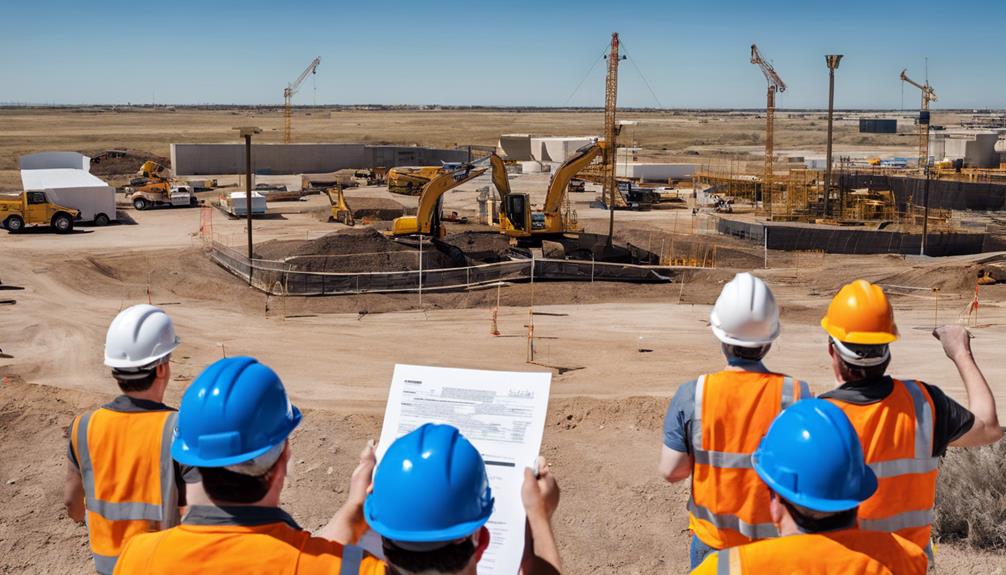
Another frequent issue is failing to meet local regulations. Each area has specific rules regarding street openings, and if your project doesn't align with these, you'll likely face denial.

Similarly, inadequate proof of insurance or bonding can also lead to rejection, as municipalities often require these safeguards to protect against potential damages.

Inadequate planning for traffic control is another reason for permit denial. If you don't demonstrate how you'll manage vehicular and pedestrian traffic during the project, authorities may not approve your request.

You might also encounter issues if your proposed work conflicts with existing public utilities; if you can't show that you've coordinated with utility companies, your permit may be denied.

Understanding these common pitfalls can help you prepare a more robust application and reduce the chances of facing delays or denials. Additionally, ensuring you have the appropriate contract bonds in place can further enhance your application's credibility and compliance with local requirements.

Impact on Local Residents

Street opening permits can significantly impact local residents, often causing temporary disruptions to daily life. When a street opens, you may face detours, roadblocks, or even complete closures that affect your routine. This can mean longer commutes, difficulty accessing your home, or challenges in getting your kids to school on time.

Additionally, noise from construction activities can disrupt your peace and quiet. Heavy machinery, digging, and other related work can make it hard to concentrate or relax. You might find your weekends affected as well, as projects sometimes extend beyond normal working hours.

On the flip side, these disruptions can lead to improvements in your neighborhood, such as better roads and enhanced infrastructure. While the inconveniences can be frustrating, the long-term benefits may outweigh the temporary challenges.

It's essential to stay informed about the permit process and any upcoming projects in your area. Knowing what to expect can help you plan accordingly and minimize the impact on your daily life.

Engaging with local officials or community boards can also provide insights and give you a voice in the process.

Conclusion

In conclusion, obtaining a street opening permit bond in Bradford Woods is essential for your construction or excavation project. It not only shows your commitment to following local regulations but also helps maintain the community's infrastructure. By securing this bond, you can foster good relationships with residents and ensure a smoother project experience. Don't overlook this critical step—it's key to a successful and responsible undertaking in your neighborhood.

bookmark_borderSan Antonio, TX-Moving Contractor Bond

If you're considering hiring a moving contractor in San Antonio, it's crucial to understand the significance of the moving contractor bond. This bond not only acts as a financial safety net for you but also demonstrates a contractor's commitment to professionalism and adherence to state regulations. Knowing how to verify this bond can make a significant difference in your moving experience. But what exactly should you look for, and how can this bond protect you from unforeseen issues during the move?

Understanding the Moving Contractor Bond

Understanding the moving contractor bond is crucial for anyone looking to hire a moving company. This bond serves as a financial guarantee that the moving company will adhere to state regulations and fulfill its obligations during the moving process. Essentially, the bond protects you, the consumer, from potential losses due to mishaps or negligence on the part of the mover.

In many states, the surety bond is required to help ensure that moving contractors comply with industry standards and provide reliable services, making the financial protection for the public a key aspect of the bonding process.

When you hire a moving company, you want to ensure they're licensed and insured. A bond acts as an additional layer of security, showing that the company is committed to ethical practices. If a mover fails to deliver your belongings or causes damage, you can file a claim against the bond. This means you won't have to bear the full financial burden of any issues that arise.

It's important to check if the moving company you're considering has a valid bond. You can usually find this information on their website or by asking them directly. Knowing that a moving contractor bond is in place can give you peace of mind, knowing you're working with a reputable company that values accountability and responsibility.

Importance of the Bond

The importance of a moving contractor bond can't be overstated, especially when you're entrusting your belongings to a company. This bond acts as a safety net, ensuring that you're protected against potential damages or mishaps during your move. If something goes wrong, whether it's lost items or damage to your property, the bond provides a way for you to seek compensation.

Additionally, a well-structured bond process, as outlined by surety bond services, ensures that you're supported throughout the moving experience.

Having a bond in place also reflects a contractor's commitment to professionalism and accountability. It shows that they take their responsibilities seriously and are willing to stand by their service. When hiring a moving company, you want peace of mind knowing that they've met the necessary standards and are financially backed to cover any potential issues.

Moreover, a bond can enhance your overall moving experience. It encourages contractors to perform at their best, knowing that their reputation is on the line. For you, this means more reliable service and fewer worries about the safety of your belongings.

In short, a moving contractor bond isn't just a legal formality; it's a crucial element that protects you and fosters trust in your moving experience.

Legal Requirements in Texas

In texas, moving contractors must meet specific legal requirements to operate legally and protect consumers. First, you need to obtain a Texas moving company license. This involves submitting an application to the Texas Department of Motor Vehicles (DMV) and providing necessary documentation, such as proof of insurance and a surety bond.

The bond ensures that you can cover any claims related to damages or losses during a move, including various types of Texas Surety Bonds that may be applicable to your business operations.

Additionally, you're required to maintain adequate insurance coverage, including liability and cargo insurance. This protects both you and your clients in case of accidents or damages.

It's crucial to familiarize yourself with the Texas Administrative Code, which outlines regulations specific to the moving industry, including consumer rights and responsibilities.

You also need to ensure that all your employees are trained and aware of safety procedures to minimize risks during operations.

Lastly, it's smart to stay updated on any changes in laws and regulations to ensure ongoing compliance. By meeting these legal requirements, you can build trust with your clients and establish a solid reputation in the competitive moving industry.

Benefits for Customers

Choosing a licensed moving contractor offers significant benefits for customers. First, you gain peace of mind knowing that your belongings are in capable hands. Licensed contractors must adhere to state regulations, ensuring they meet safety standards and have the necessary experience. This reduces the risk of accidents or damage during your move.

Additionally, a licensed contractor often carries insurance, providing financial protection for you if something goes wrong. If an item gets damaged or lost, you're less likely to be left to cover the costs. This safety net is crucial when you're entrusting someone with your valuable possessions.

Another benefit is the professionalism you can expect from a licensed mover. These contractors invest in training their staff, resulting in efficient, careful handling of your items. You won't have to worry about untrained individuals mishandling your belongings.

Moreover, licensed moving contractors typically offer transparent pricing. You'll receive clear estimates without hidden fees, allowing you to budget effectively.

Responsibilities of Moving Contractors

Moving contractors play a crucial role in ensuring a smooth relocation process. You depend on them to handle your belongings with care, so it's vital they understand their responsibilities.

First, they're responsible for providing you with a written estimate that outlines the costs and services involved. This transparency helps you budget effectively and avoid unexpected fees.

Next, they need to pack, load, transport, and unload your items safely. Proper packing techniques are essential to prevent damage during transit. If you have valuable or fragile items, they should take extra precautions to protect them.

Additionally, moving contractors must adhere to all applicable laws and regulations. This includes securing the proper permits and complying with safety standards. They should also maintain a valid moving contractor bond, ensuring financial protection for you in case of any mishaps.

Communication is another critical responsibility. They should keep you informed throughout the moving process, updating you on timelines and any potential delays.

Ultimately, you expect your moving contractor to act professionally, ensuring that your move is as efficient and stress-free as possible.

How to Verify a Bond

Verifying a moving contractor bond is an essential step to protect yourself during the relocation process. Start by asking the contractor for their bond information, including the bond number and the name of the issuing company. This will give you the details needed for verification.

Next, reach out to the bonding company directly. Provide them with the bond number and the contractor's name, and they'll confirm whether the bond is active and valid. This step ensures that the contractor has the necessary financial backing to cover potential damages or losses during your move.

Additionally, you can check with the Texas Department of Licensing and Regulation, which oversees moving contractors. They often have resources to help you verify a contractor's bond status and legitimacy.

Conclusion

In conclusion, securing a moving contractor bond in San Antonio isn't just a legal requirement; it's your assurance of quality and professionalism. By choosing a bonded mover, you're protecting yourself against potential losses and ensuring your belongings are in capable hands. Always verify the bond before hiring, and enjoy peace of mind throughout your move. Trust in the process, and you'll have a smoother, more reliable moving experience. Your belongings deserve nothing less!

bookmark_borderButler Township, Pa-Street Opening Permit Bond

When you're considering a street opening permit bond in Butler Township, PA, you're stepping into a complex process that carries significant implications for both contractors and the community. You need to understand not just the requirements but also the responsibilities that come with it. It's crucial to grasp how this bond acts as a safeguard against potential damages and ensures compliance with local regulations. However, navigating the application process can pose challenges that might surprise you. What are the common pitfalls, and how can you avoid them?

Importance of Street Opening Permits

Street opening permits are crucial for maintaining the integrity and safety of our roadways. When you apply for one, you ensure that any work done in the street meets local regulations and safety standards. This helps prevent accidents and protects both pedestrians and drivers. Without these permits, unregulated digging can lead to damaged utilities, hazardous conditions, and costly repairs.

Additionally, obtaining a street opening permit means you're contributing to the overall planning and management of your community's infrastructure. It allows local authorities to monitor and coordinate street work, minimizing disruption to traffic and ensuring that necessary repairs or improvements are completed efficiently. By securing a permit, you're also demonstrating your commitment to responsible construction practices.

Moreover, street opening permits often require you to restore the roadway to its original condition once your work is done. This restoration process is essential for preserving the structural integrity of the pavement and ensuring long-term usability.

Understanding Permit Bond Requirements

When you apply for a street opening permit, understanding the bond requirements is a key part of the process. A permit bond serves as a guarantee that you'll comply with local laws and regulations while performing work in the street.

Essentially, it protects the township and its residents from potential damages or non-compliance resulting from your project.

You'll typically need to secure a specific amount, which varies depending on the nature and scope of your project. This bond amount is a financial assurance that can cover any repairs or damages caused during the street opening.

If you fail to meet the requirements, the township can claim the bond to cover costs associated with bringing the work back into compliance.

It's important to choose a reputable bonding company that understands local regulations. Make sure to read the bond terms carefully and clarify any doubts with your bonding agent. Additionally, securing a permit bond acts as a form of financial protection for the public against potential business malpractice.

Application Process for Permits

Applying for a street opening permit requires careful attention to detail and a clear understanding of the necessary steps.

First, you'll need to gather all relevant documentation, including project plans and specifications. Check with Butler Township's regulations to ensure you're adhering to all local codes and requirements.

Next, complete the application form, which you can typically find on the township's website or at the municipal office. Make sure to provide accurate information about the location and nature of the proposed work.

It's crucial to specify the duration of the project and any potential impacts on traffic or public safety.

Once your application is filled out, submit it along with any required fees and supporting documents. After submission, the township will review your application to ensure compliance with local regulations.

Be prepared to respond to any requests for additional information or modifications. Additionally, securing a surety bond may be necessary to protect against financial loss during the project's execution.

Responsibilities of Contractors

Contractors play a crucial role in the successful execution of street opening projects. You're responsible for ensuring that all work complies with local regulations and safety standards. This starts with obtaining the necessary permits and bonds, which protects both you and the community.

It's vital to familiarize yourself with Butler Township's specific requirements, including any documentation needed for street opening permits. You must also coordinate with utility companies to identify underground lines and prevent service interruptions.

Proper planning is essential; you should develop a comprehensive project timeline that considers potential delays. During the execution phase, ensure that your team follows safety protocols to protect workers and pedestrians alike.

Communication is key. Keep the local government and residents informed about the project's progress, which helps build trust and minimize disruptions. You're expected to restore the street to its original condition post-project, so plan for resurfacing and landscaping. Additionally, securing a surety bond is often necessary to demonstrate compliance with financial obligations related to the project.

Impact on Local Community

Street opening projects can significantly impact the local community, both positively and negatively. When you consider these projects, think about how they can improve your neighborhood's infrastructure. New roads often enhance accessibility, making it easier for you and your neighbors to reach businesses, schools, and parks. Improved traffic flow can also reduce congestion, creating a safer environment for pedestrians and drivers alike.

On the flip side, you might experience disruptions during construction. Noise, dust, and temporary road closures can be frustrating, affecting your daily routine. These inconveniences might deter customers from visiting local businesses, potentially impacting their revenue.

Additionally, poorly managed projects can lead to increased traffic hazards, especially if detours aren't clearly marked.

Community engagement is crucial. When you're informed about the project timeline and scope, you can better navigate the changes. Open communication with contractors and local officials can help address concerns and minimize disruptions. Furthermore, obtaining the necessary Illinois Surety Bonds can ensure that the project meets legal requirements and protects the community's interests.

Ultimately, while street opening projects can bring significant benefits, it's essential to consider their immediate effects on your daily life and your community.

Common Challenges and Solutions

When dealing with street opening projects, you may encounter several common challenges that can complicate the process.

First, obtaining the necessary permits can be time-consuming. Ensure you gather all required documents early and stay in touch with local authorities to avoid delays.

Second, coordinating with utility companies is crucial. You might face issues if utility lines aren't marked correctly. To solve this, schedule a pre-construction meeting with all relevant parties to discuss locations and responsibilities.

Third, weather can impact timelines. Rain or snow can halt progress, so it's wise to have a flexible schedule and backup plans in place.

Lastly, managing public communication is vital. Residents may be inconvenienced, leading to frustration. Keep them informed about project timelines and updates through regular announcements or community meetings. Additionally, securing a bid bond can ensure your commitment to the project and reassure stakeholders of your intent to follow through.

Conclusion

In Butler Township, securing a street opening permit bond isn't just a formality; it's vital for protecting the community. By understanding the requirements and responsibilities, you ensure your project meets local standards and safeguards the roadways. This bond not only helps you navigate the application process smoothly but also fosters trust with residents. Embracing this responsibility strengthens community integrity and helps prevent future challenges, making your construction efforts a positive experience for everyone involved.

bookmark_borderOdessa, TX-Right of Way Construction Bond

When you're considering a construction project in Odessa, TX, understanding the Right of Way Construction Bond is crucial. This bond not only assures compliance with regulations but also builds trust with local authorities. You might wonder about the specific requirements and how they impact your project's timeline and costs. As you weigh your options, you'll find that navigating this process can be more complex than it seems—especially when it comes to common challenges contractors face. What are the key factors you need to consider to ensure a smooth experience?

Understanding Right of Way Bonds

Understanding right of way bonds is essential for anyone involved in construction projects that require the use of public land. These bonds act as a guarantee that you'll fulfill your obligations, such as adhering to local regulations and completing work on time.

A right of way bond is a type of performance bond that provides protection for public entities by ensuring compliance with project requirements. When you apply for a right of way bond, you're essentially promising to cover any damages or costs that may arise during your project.

If you don't comply with the terms, the bond provides financial protection for the public entity affected. This means that if you fail to meet your commitments, the bond issuer might've to pay for any resulting damages, and you'll be responsible for reimbursing them.

To get a right of way bond, you'll often need to provide documentation that demonstrates your capability to manage the project effectively. This can include your financial statements, project plans, and any relevant licenses.

Understanding the specific requirements in Odessa, TX, can save you time and trouble down the line. Familiarizing yourself with these aspects ensures you're not only compliant but also prepared to move forward confidently in your construction endeavors.

Importance of Right of Way Bonds

Right of way bonds play a significant role in the construction industry, particularly when projects involve public land. These bonds ensure that contractors take responsibility for any damages or disruptions caused during their work. When you secure a right of way bond, you're essentially providing a financial guarantee that you'll adhere to the regulations and complete the project as agreed. This builds trust with local authorities and the community.

Furthermore, right of way bonds are a crucial part of Michigan surety bonds and help to facilitate compliance with local regulations.

Moreover, right of way bonds protect public interests. They ensure that any necessary repairs or restoration to the land, roads, or utilities are completed, minimizing inconvenience to the public. If you fail to meet these obligations, the bond can be used to cover the costs, sparing taxpayers from potential financial burdens.

Additionally, having a right of way bond can streamline the permitting process. It demonstrates your commitment to compliance and can help you avoid delays, allowing your project to move forward smoothly.

In today's competitive construction landscape, securing a right of way bond isn't just a requirement; it's a smart business move that enhances your credibility and fosters positive relationships with stakeholders.

Requirements for Obtaining a Bond

Securing a construction bond involves meeting specific requirements that vary by state and project type. In Odessa, TX, you'll need to provide documentation that demonstrates your experience and financial stability. Typically, you'll be required to submit your business license, proof of insurance, and financial statements.

Additionally, understanding the types of surety bonds available in Louisiana can help inform your approach, especially if you're dealing with oversized vehicle projects.

Bonding companies often look for a strong credit history. If your credit score falls below a certain threshold, you might need to provide collateral or a personal guarantee. Be prepared to present project details, such as the estimated cost and timeline, to help the bonding company assess the risk involved.

You may also need to disclose any prior claims or legal issues related to your construction work. Transparency is crucial, as it impacts your bonding eligibility.

Lastly, some projects may have unique requirements based on local regulations, so make sure to check with Odessa's local authorities to ensure compliance.

Application Process Overview

Once you've gathered the necessary documentation and met the bonding requirements, the application process can begin.

First, you'll need to complete an application form, which typically asks for basic information about your business, the project, and the estimated timeline. Make sure to fill this out accurately; any discrepancies could delay your application.

Next, you'll submit your documentation along with the application form. This often includes financial statements, proof of insurance, and your business license, so have those ready to go.

Once submitted, the bonding company will review your application and assess your risk profile. They may reach out for additional information, so be prepared to respond promptly.

After your application is reviewed, you'll receive a decision from the bonding company. If approved, you'll be issued the bond, and you can pay any required premiums at that time.

Keep in mind that the entire process can take several days to weeks, depending on the complexity of your application and the responsiveness of all parties involved. Stay organized and follow up as needed to ensure a smooth application process.

Costs and Fees Involved

While navigating the world of construction bonds in Odessa, TX, understanding the costs and fees involved is crucial for budgeting your project effectively.

The primary expense you'll encounter is the premium for the bond itself, which usually ranges from 1% to 3% of the bond amount. This percentage can vary based on factors like your credit score and the size of the project.

Beyond the bond premium, you may face additional costs. Application fees can add up, often ranging from $100 to $500, depending on the bond provider.

You should also consider costs related to document preparation, as some companies charge for processing your application and gathering necessary paperwork.

If you need to make any adjustments to your bond or extend its validity, be prepared for potential amendment fees.

Moreover, if you're looking for expedited service, many providers offer this for an extra charge.

Don't forget about any local fees imposed by the city or municipality for permitting and inspections related to your right-of-way project.

Common Challenges Faced

Many contractors encounter various challenges when dealing with construction bonds in Odessa, TX. One of the most common issues is understanding the specific requirements set by local authorities. Each municipality may have different rules, and failing to comply can lead to delays or even project cancellations.

Another challenge is navigating the application process. You'll often need to submit various documents and financial statements, which can be time-consuming and complicated. If your paperwork isn't in order, you risk facing rejections or additional fees.

Financial constraints can also pose a significant hurdle. Securing a bond typically requires a good credit score and financial history. If your finances aren't in the best shape, you may struggle to obtain the necessary bond, impacting your ability to take on projects.

Lastly, the fluctuating cost of bonds adds another layer of complexity. Prices can change based on market conditions, and if you're not prepared for these variations, you might find yourself over budget.

Benefits of Securing a Bond

Securing a construction bond offers contractors significant peace of mind and a competitive edge in Odessa, TX. By obtaining a bond, you demonstrate your commitment to completing projects in accordance with local regulations and standards. This not only builds trust with clients but also enhances your reputation in the industry.

Additionally, a bond acts as a financial safety net. If any issues arise during the project, such as delays or failures to meet contractual obligations, the bond provides a means for clients to seek compensation. This can save you from potential lawsuits and the associated costs.

Furthermore, having a construction bond can open doors to more contract opportunities. Many clients and municipalities require contractors to be bonded before considering them for projects. This requirement ensures they're working with professionals who can back their promises financially.

In essence, by securing a construction bond, you're not just protecting your business; you're also positioning yourself as a responsible and reliable contractor in Odessa. This can lead to more work, better client relationships, and ultimately, greater success in your construction endeavors.

Conclusion

In conclusion, securing a Right of Way Construction Bond in Odessa, TX, is crucial for any contractor working on public land. It not only ensures compliance with local regulations but also builds trust with authorities and the community. By understanding the requirements and navigating the application process, you can overcome common challenges and enjoy the benefits of a smoother project experience. Don't underestimate the value of this bond; it's a key step toward your project's success.

bookmark_borderCherry Township, Pa-Road Damage Permit Bond

When you're involved in construction or maintenance work in Cherry Township, PA, understanding the Road Damage Permit Bond is essential. This bond isn't just a formality; it represents your commitment to upholding local regulations and protecting the township's infrastructure. Failure to secure it could lead to significant repercussions not only for your project but also for community trust. So, what exactly does the bond entail, and how can it impact your responsibilities as a contractor? Exploring these questions reveals crucial insights that could shape your approach to upcoming projects.

Overview of Road Damage Permit Bond

A road damage permit bond is a crucial requirement for anyone planning to perform construction or maintenance work on public roads in Cherry Township. This bond serves as a financial guarantee that you'll adhere to local regulations and restore any road damage caused by your project.

By securing this bond, you're ensuring that funds are available to cover repairs if your work leads to any road deterioration.

Typically, you'll need to work with a surety company to obtain this bond. They'll assess your financial stability and the nature of your project before issuing it. The bond amount usually reflects the estimated costs of potential repairs, so it's important to provide accurate project details.

In Cherry Township, obtaining a road damage permit bond not only protects the municipality's infrastructure but also shields you from potential liabilities. If you fail to comply with the relevant regulations, the bond can be claimed against to cover repair costs.

This requirement emphasizes the responsibility you carry while undertaking such projects. Make sure you understand the process and comply with all local requirements to avoid any complications down the road.

Importance for Contractors

Understanding the importance of a road damage permit bond can significantly impact your success as a contractor in Cherry Township. This bond not only protects you but also demonstrates your commitment to responsible work practices. When you obtain this bond, you show that you're financially capable of covering any potential damages during your project. This assurance can help you gain the trust of property owners and local authorities alike.

Moreover, having a road damage permit bond can set you apart from your competitors. Clients often prefer contractors who can prove they're prepared for unforeseen circumstances. It also helps you avoid legal complications that could arise from road damage claims.

Additionally, many municipalities, including Cherry Township, require this bond before you can begin work. Failing to secure it could delay your project and affect your reputation. Furthermore, securing a performance bond can further enhance your credibility and demonstrate your reliability to clients.

Responsibilities of Property Owners

Property owners in Cherry Township have specific responsibilities when it comes to road damage permits. First, you need to ensure that you understand the local regulations regarding road usage and any potential damage that might occur. If you're planning construction or other activities that could affect the road, it's your duty to evaluate the impact on the area.

Next, you must notify the local authorities about your intended activities. This notification is crucial for assessing any potential damage and for determining what permits you need. You're also responsible for obtaining the necessary permits before beginning your work. Skipping this step can lead to fines or delays.

Moreover, you should be prepared to fix any damage caused to the road during your activities. This means having a plan in place to restore the road to its original condition, ensuring safety for all users.

Lastly, keep records of any work done and communications with local authorities. This documentation can protect you in case of disputes or claims related to road damage. By fulfilling these responsibilities, you contribute to the safety and integrity of Cherry Township's roads.

Application Process for the Bond

When applying for a road damage permit bond in Cherry Township, you'll need to follow a specific process to ensure everything's in order.

First, gather all necessary documents, including proof of insurance and any relevant permits. You'll also need to outline the scope of your project and specify any potential risk factors to the roadway.

Next, complete the application form provided by the township's office. Be thorough and accurate, as any missing information could delay the approval process.

Once you've filled out the form, submit it along with the required documents and the bond fee. Make sure to check the fee schedule beforehand, as rates can vary based on the project's scale.

After submitting your application, wait for the township's review. This could take some time, so be patient.

If everything meets the requirements, you'll receive a notification of approval. You may then be required to secure the bond through a licensed surety company before the project begins.

Stay in touch with the township office for any updates or additional requirements. Following these steps will help ensure a smooth application process for your road damage permit bond. Additionally, securing the bond serves as a financial protection for the public against business malpractice associated with the project.

Impact on Township Infrastructure

How does road damage from construction projects affect Cherry Township's infrastructure?

When construction activities disrupt road surfaces, you're likely to notice immediate consequences. Potholes, cracks, and uneven surfaces can make driving hazardous, leading to accidents and vehicle damage. This deterioration forces the township to allocate funds for repairs, diverting resources from other essential projects.

Furthermore, damaged roads can hinder emergency services. If fire trucks or ambulances struggle to navigate compromised streets, response times could increase, putting lives at risk.

Additionally, frequent repairs can create ongoing traffic disruptions, frustrating residents and local businesses alike.

The overall aesthetic of the township also suffers when roads are in poor condition. It can deter potential visitors and future residents, impacting the local economy. A well-maintained infrastructure is crucial for community pride and growth, and road damage poses a significant challenge in that regard.

To mitigate these issues, implementing a road damage permit bond ensures that construction companies are held accountable for the repairs they cause.

Conclusion

In conclusion, securing the Road Damage Permit Bond in Cherry Township is essential for your construction projects. It not only shows your commitment to following local regulations but also protects the township's infrastructure. By obtaining this bond, you build trust with local authorities and property owners, ensuring a smoother project experience. So, take the necessary steps to apply for the bond and make a positive impact on the community while safeguarding your interests.

bookmark_borderTexas License to Conduct Bingo Bond

If you're considering running bingo games in texas, understanding the License to Conduct Bingo Bond is essential. This $10,000 bond not only ensures you're complying with state laws but also protects the community and players from potential misconduct. You might be wondering who exactly needs this bond and what the application process looks like. As you navigate these requirements, it's crucial to grasp the implications of non-compliance, which could jeopardize your operations. What other factors should you keep in mind to maintain your license and safeguard your interests?

Overview of Bingo Bonds

Bingo bonds play a crucial role in the regulation and operation of bingo games in Texas. These financial instruments ensure that operators comply with state laws and regulations, creating a safe environment for players and promoting fair play.

When you decide to conduct bingo games, obtaining a bingo bond is a vital step in the licensing process. The bond serves as a guarantee that you'll adhere to the rules governing bingo operations. If you fail to comply, the bond offers a financial safety net for affected players or the state. This means you're not just protecting yourself; you're also safeguarding the interests of everyone involved in the game.

Typically, the required bond amount varies based on the scale of your bingo operation. You'll need to work with a licensed surety company to secure this bond, and they'll assess your financial stability before issuing it.

Who Needs a Bingo Bond

If you're planning to operate a bingo game in Texas, you'll need a bingo bond to ensure compliance with state regulations. This bond is essential for anyone who's directly involved in managing or conducting bingo games, including organizations, charities, and individuals.

If you're part of a nonprofit group that hosts bingo events to raise funds, you'll also need a bingo bond to protect the community and players.

In Texas, the law requires that all bingo operators obtain this bond to safeguard against any potential misconduct or financial mismanagement. This means if you're the one overseeing the game or handling funds, you're responsible for securing this bond. It's not just a formality; it shows that you're serious about running a fair and legal operation.

Moreover, if you're an employee or volunteer for a bingo organization, you might also find yourself needing a bond, depending on your role.

Ultimately, whether you're an operator, manager, or part of a nonprofit team, if you're involved in any capacity with bingo games in Texas, obtaining a bingo bond is a necessary step in the process.

Application Process for Bonds

Once you understand who needs a bingo bond, the next step is to navigate the application process for obtaining one. Start by gathering all necessary documentation, including your Texas bingo license and any required financial statements. This paperwork proves your eligibility and financial stability, which are crucial for the bond approval.

Additionally, it's beneficial to familiarize yourself with the types of bonds relevant to your operations, such as Texas Surety Bonds that might be applicable to your situation.

Next, you'll want to research bonding companies that specialize in bingo bonds. Reach out to multiple providers to compare rates and terms. Don't hesitate to ask questions; understanding the specifics can help you make an informed choice.

Once you select a bonding company, you'll fill out an application. Be prepared to provide personal information, details about your bingo operation, and the amount of coverage you're seeking.

After submitting your application, the bonding company will review it, which may include a background check.

Upon approval, you'll need to sign the bond agreement and pay the premium. Keep in mind that some companies may require additional documentation or information during this process.

Once everything's completed and you've secured your bond, you can proceed with your bingo operations confidently, knowing you're compliant with Texas regulations.

Bond Amounts and Requirements

When it comes to bond amounts and requirements for Texas bingo operations, understanding the specific figures is essential. In Texas, you'll need a surety bond to ensure compliance with state regulations. The bond amount typically required is $10,000. This amount serves as a financial guarantee that you'll follow the rules governing bingo activities.

You must submit this bond as part of your application for a bingo license. It's important to choose a reputable surety company when obtaining your bond, as they must be authorized to do business in Texas. The bond remains in effect for the duration of your bingo operations and must be renewed periodically to maintain your license.

Additionally, be aware that failure to maintain your bond can result in penalties, including the potential revocation of your bingo license. Therefore, keeping track of your bond's status is crucial.

Always ensure that your bond covers the required amount and is renewed on time to avoid any interruptions in your bingo operations. By meeting these bond requirements, you're one step closer to successfully conducting bingo in Texas.

Importance of Compliance

Maintaining compliance with Texas bingo regulations is vital for the success and longevity of your operations. When you adhere to these rules, you not only protect your organization from potential legal issues but also build trust with your players and community.

Compliance ensures that your bingo games are conducted fairly and transparently, which is crucial for attracting and retaining participants. By following regulations, you minimize the risk of fines and penalties, which can be detrimental to your finances.

It's essential to keep accurate records, submit timely reports, and ensure all staff members are trained on compliance protocols. This diligence shows your commitment to running an ethical operation.

Moreover, compliance enhances your reputation. When players know that your bingo hall operates within the law, they're more likely to feel safe and engaged. This can lead to increased attendance and greater fundraising success.

Conclusion

In summary, securing a Texas License to Conduct Bingo Bond is essential for anyone involved in managing bingo games. Not only does it protect players and the community, but it also keeps your operation compliant with state laws. By understanding the requirements and maintaining your bond, you can ensure the integrity of your bingo games and avoid potential penalties. So, make sure you prioritize this important step in your bingo management journey!