bookmark_borderEdgewood Borough, Pa-Street Opening Permit Bond

When you're planning a construction project in Edgewood Borough, understanding the street opening permit bond is crucial. This bond not only ensures you comply with local regulations but also protects the community's interests. You'll find that securing this bond can significantly impact your project's success and reputation. However, many might overlook the specifics of eligibility requirements and the application process. What you might discover about the responsibilities that come with this bond could change how you approach your next project.

Importance of the Bond

Why is the bond crucial for street opening permits in Edgewood Borough? The bond acts as a financial safety net, ensuring that you'll adhere to local regulations and restore the street to its original condition after any excavation. If you don't fulfill these obligations, the bond can be used to cover the costs of repairs, protecting both the borough and its residents from potential inconveniences and hazards.

When you apply for a street opening permit, the bond demonstrates your commitment to responsible work practices. It assures the borough that you're serious about minimizing disruption and maintaining safety standards throughout the project. Without this bond, the borough faces increased risks and liabilities, making it less likely they'll approve your permit.

Moreover, having a bond in place can enhance your reputation as a contractor or property owner. It shows that you understand the importance of community standards and are willing to invest in them. This can lead to smoother interactions with local authorities and potentially open doors for future projects. Additionally, understanding the importance of local regulations can further ensure compliance and facilitate the bonding process.

In short, the bond isn't just a requirement; it's a vital part of maintaining trust and accountability within the Edgewood Borough community.

Eligibility Requirements

To be eligible for a street opening permit in Edgewood Borough, you must meet specific criteria outlined by local regulations.

First, you need to be the property owner or have written permission from the property owner where the street opening will occur. This ensures that the work aligns with the property rights and responsibilities.

Next, you'll need to provide proof of liability insurance that covers potential damages or injuries related to the street opening. This helps protect both you and the borough from any unforeseen incidents.

Additionally, you must comply with all local ordinances regarding construction and street maintenance.

If your project involves utility work, you must also coordinate with the appropriate utility companies to ensure that all necessary inspections and approvals are obtained.

Application Process

Once you've confirmed your eligibility for a street opening permit, the next step is the application process.

Start by obtaining the official application form from the Edgewood Borough office or their website. Make sure to fill it out completely, providing all required information, such as your name, address, and the specific location of the proposed street opening.

You'll need to include detailed descriptions of the work you plan to do, including timelines and any potential impacts on local traffic. If applicable, attach any supporting documents, like engineering plans or maps, to help clarify your project.

Don't forget to sign the application where indicated.

Once you've gathered everything, submit the application along with any required fees to the borough office. Keep a copy for your records.

After submission, the borough will review your application, which may involve inspections or consultations with relevant departments. They may reach out for additional information if needed.

Be prepared for potential revisions to meet their requirements. Once approved, you'll be notified, and you can move forward with your street opening project.

Bond Amounts and Fees

The bond amounts and fees associated with a street opening permit in Edgewood Borough can vary based on the scope of your project.

Generally, you'll find that the bond amount is determined by the estimated cost of the work being performed. For smaller projects, the bond might be set at a lower amount, while larger or more complex jobs could require a significantly higher bond.

In addition to the bond, you'll also need to pay an application fee when you submit your permit request. This fee helps cover administrative costs related to processing your application.

It's essential to check with the borough's regulations or consult with local officials to get the exact figures for your specific project.

Responsibilities of Contractors
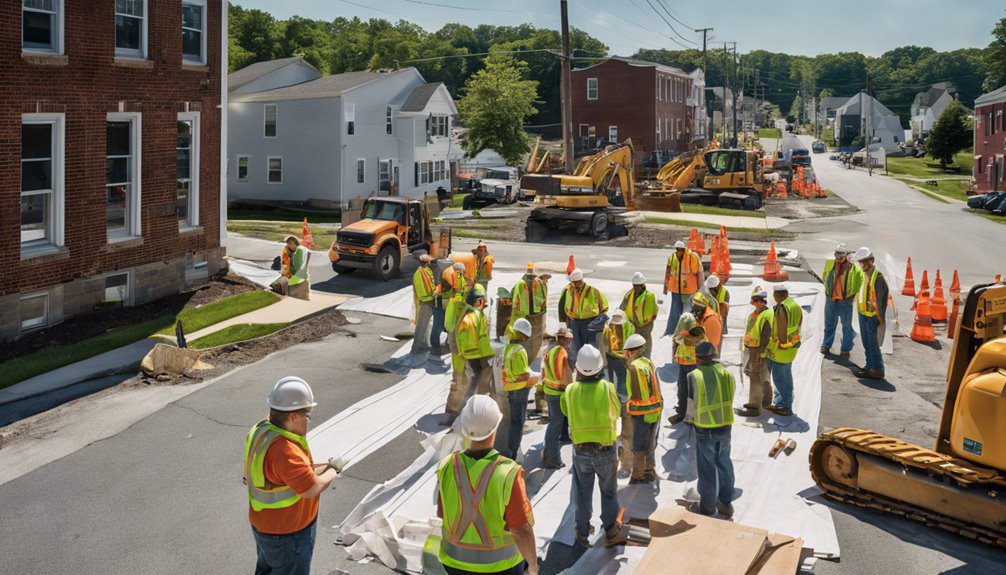
Contractors play a crucial role in ensuring that street opening projects in Edgewood Borough are executed safely and in compliance with local regulations.

As a contractor, you're responsible for coordinating all aspects of the project, from planning to execution. You need to check that you have all necessary permits and bonds in place before starting work.

Your primary responsibility is to maintain safety on the job site. This means implementing proper signage and barriers to protect pedestrians and vehicles.

You'll also need to ensure that all workers on site are trained and equipped to handle their tasks safely.

Additionally, you must monitor the timelines and budgets closely. Any delays or unexpected costs should be reported promptly to your clients and local authorities.

It's important to communicate effectively with all stakeholders, including utility companies, to avoid conflicts and disruptions. Furthermore, obtaining the appropriate surety bonds is essential to ensure compliance with local regulations and protect against financial loss.

Compliance With Local Regulations

Ensuring compliance with local regulations is vital for the success of any street opening project in Edgewood Borough. When you initiate a street opening, you must familiarize yourself with the borough's specific codes and requirements. This includes obtaining the necessary permits and submitting detailed plans that outline your project.

You'll also need to adhere to safety protocols, traffic control measures, and environmental standards that protect both the community and the surrounding area. Ignoring these regulations could lead to delays, fines, or even project cancellation.

Remember, local authorities often conduct inspections throughout the process, so staying compliant at every stage is crucial. Moreover, clear communication with local officials can help avoid misunderstandings and ensure that you're on the right track.

Don't hesitate to ask questions or seek clarification on any regulations that seem unclear. Keeping all documentation organized and readily accessible will also streamline the compliance process. Additionally, understanding state bonding requirements is essential as it varies across jurisdictions.

Ultimately, by prioritizing adherence to local regulations, you not only enhance the likelihood of your project's success but also contribute positively to the community. Taking these steps seriously will pave the way for a smoother, more efficient street opening project.

Benefits for Residents

Opening streets for repairs or upgrades brings several benefits for residents in Edgewood Borough.

First, improved road conditions mean a smoother ride for you and your family. You'll notice fewer potholes and better drainage, which can reduce wear and tear on your vehicles.

Additionally, these upgrades often enhance safety. With updated infrastructure, including better signage and lighting, you'll feel more secure when navigating the streets, especially at night. Enhanced pedestrian pathways and bike lanes encourage safe travel options, promoting a healthier lifestyle.

Moreover, street improvements can boost property values. As roads and utilities are upgraded, your neighborhood becomes more appealing to potential buyers, which can lead to increased home values over time.

Lastly, these projects often create a sense of community. You'll have opportunities to engage with neighbors and local officials during planning and implementation, fostering connections that strengthen your community ties.

Common Misconceptions

Many residents hold misconceptions about street opening permits and the associated processes. One common belief is that these permits are only required for major construction projects. In reality, even small repairs or installations, like utility line work, necessitate a permit to ensure safety and compliance with local regulations.

Another misconception is that obtaining a permit is a lengthy and complicated process. While it's true that submitting applications requires some paperwork, the process is designed to be straightforward. You can often complete it in just a few days if you have the necessary information ready.

Some folks think they can start work without a permit and simply apply afterward. This can lead to fines and legal issues, as doing work without proper authorization is against the law.

Lastly, many believe that street opening permits are just an expense with no value. However, these permits help maintain street integrity and ensure that repairs are done correctly, ultimately benefiting the community. Additionally, license and permit bonds are often required to protect the public and hold businesses accountable during these projects.

Conclusion

In Edgewood Borough, securing a street opening permit bond is vital for your construction project. It not only ensures compliance with local regulations but also protects the community's interests. By understanding the eligibility requirements and following the application process, you'll be better prepared to meet your responsibilities as a contractor. Ultimately, this bond benefits everyone by promoting safety and accountability, helping you build a solid reputation while contributing positively to the neighborhood.

bookmark_borderErie, Pa-Steet Opening Permit Bond

When you're considering excavation work in Erie, PA, understanding the Street Opening Permit Bond is essential. This bond isn't just a formality; it plays a pivotal role in ensuring that your project complies with local regulations and protects public infrastructure. You'll need to meet specific eligibility requirements and navigate the application process effectively. But what happens if you overlook certain details? The implications could be significant, and knowing the common pitfalls could save you time and money as you move forward. Let's explore what you need to know to avoid potential setbacks.

Overview of Street Opening Permit Bond

When you're planning to dig up a street in Erie, PA, obtaining a Street Opening Permit Bond is essential. This bond serves as a financial guarantee that you'll adhere to local regulations and restore the street to its original condition after your work is complete.

Essentially, it protects the city and its residents from potential damages or disruptions caused by your excavation activities.

The bond usually requires you to submit an application detailing the scope of your project. You'll need to provide information about the location, purpose of the dig, and the anticipated duration.

Once approved, you'll pay a fee, which can vary depending on the project size and complexity.

It's important to note that failing to secure this bond could lead to fines, delays, or even legal action, which can complicate your project significantly. Additionally, obtaining a Street Opening Permit Bond is similar to other Illinois surety bonds, ensuring compliance and protecting against financial loss.

You'll want to ensure that you're working with a reputable bonding company to streamline the process and minimize any hiccups along the way.

Importance of the Bond

Securing a Street Opening Permit Bond is vital for anyone planning excavation work in Erie, PA. This bond acts as a safeguard for both you and the public, ensuring that any potential damages caused by your work are covered. When you obtain this bond, you're showing your commitment to completing the project responsibly and in compliance with local regulations.

Without this bond, you risk facing significant financial penalties and even legal repercussions. If any damage occurs during your excavation, the bond ensures that the costs of repairs are covered, protecting your finances. Moreover, having a bond can enhance your reputation as a reliable contractor, making it easier to win future projects.

Also, many municipalities require this bond before granting a street opening permit. Failing to secure it can delay your project, costing you time and money. By prioritizing the bond, you're not just fulfilling a legal requirement; you're also demonstrating professionalism and accountability.

This step is essential for a smooth excavation process and helps maintain positive relationships with local authorities and residents. Additionally, securing this bond is a form of regulatory compliance, which is crucial in ensuring your business meets all necessary legal obligations. So, don't overlook the importance of obtaining a Street Opening Permit Bond for your next project in Erie.

Eligibility Requirements

Understanding the eligibility requirements for a Street Opening Permit Bond is crucial for a smooth application process. To qualify, you typically need to be a licensed contractor or have legal authorization to perform excavation work in Erie, PA. This means you should have the necessary credentials, such as a business license and any relevant certifications that showcase your expertise.

Additionally, you must provide proof of insurance, which usually includes general liability coverage. This protects both you and the city from potential damages or accidents that could occur during your project.

It's also important to have a clean track record regarding previous work and any permits you've held. Any violations or outstanding fines could jeopardize your eligibility.

Moreover, you'll likely need to demonstrate financial stability. Some bonding companies may require you to submit financial statements or credit history to assess your ability to fulfill the bond's obligations.

Lastly, be prepared to pay the necessary fees associated with obtaining the bond. Meeting these eligibility requirements sets the foundation for a successful bond application and helps ensure you can carry out your street opening project without delays. Surety bonds are essential for maintaining regulatory standards and enhancing consumer trust in services provided.

Application Process

After meeting the eligibility requirements, you can begin the application process for your Street Opening Permit Bond. First, gather all necessary documentation, such as proof of insurance and any relevant permits.

Check with the City of Erie's local government website for specific forms and guidelines, as they can vary based on your project.

Next, fill out the application form completely. Be sure to provide accurate information about your project, including location, scope of work, and dates.

Incomplete applications can lead to delays, so double-check everything before submission.

Once your application is ready, submit it to the appropriate city department, usually the Department of Public Works. You may have the option to submit online or in person, depending on the city's processes.

After submission, pay any required application fees, which are often outlined on the city website.

Once your application is reviewed and approved, you'll receive further instructions on obtaining your bond. This step is crucial for ensuring your project complies with local regulations.

Stay proactive, and keep communication lines open with the city officials to address any questions or concerns during the process.

Bond Amount and Fees

When applying for your Street Opening Permit Bond, knowing the bond amount and associated fees is essential to budgeting for your project. The bond amount typically varies based on the scope of your work and the local regulations in Erie, Pennsylvania.

Generally, you can expect the bond to range from a few thousand dollars to potentially higher amounts, depending on the specifics of your street opening.

In addition to the bond amount, you'll need to factor in the fees associated with obtaining the bond. These fees can include the cost of the bond itself, which is often a percentage of the total bond amount.

So, if your bond is $10,000 and the premium rate is 1%, you'll pay $100 for the bond.

Don't forget to consider any additional costs that may arise during the process, such as application fees or inspection fees from the city. Additionally, obtaining a surety bond helps ensure compliance with state regulations that govern street openings and related activities.

Common Pitfalls to Avoid

While navigating the process of obtaining your Street Opening Permit Bond, it's crucial to be aware of common pitfalls that could derail your project. One major mistake is underestimating the bond amount required. Always double-check the specific requirements for your project to avoid unexpected costs.

Another pitfall is neglecting to gather all necessary documentation. Ensure you have everything ready, including plans, permits, and proof of insurance. Missing paperwork can lead to delays or even a denied application.

Don't overlook local regulations. Each city may have unique guidelines that you must follow, so familiarize yourself with Erie's specific rules for street openings. Ignoring these can cause significant setbacks.

Additionally, be cautious about choosing your bonding company. Research your options thoroughly and pick a reputable provider to avoid issues later on.

Lastly, don't rush the process. Allow ample time for approvals and be prepared for potential revisions. By taking these steps, you'll steer clear of common pitfalls and keep your project on track. Understanding the regulatory framework for surety bonds in your area can further enhance your compliance efforts.

Conclusion

In summary, the Street Opening Permit Bond in Erie, PA, is essential for contractors to ensure compliance and protect public infrastructure. By understanding the importance of the bond and meeting the eligibility requirements, you can navigate the application process smoothly. Keep an eye on the bond amount and fees, and be mindful of common pitfalls to avoid delays. Securing this bond not only fosters accountability but also contributes to safe and efficient construction projects in the city.

bookmark_borderCibolo, TX-Demolition Contractor Bond

When you're considering a demolition project in Cibolo, TX, understanding the importance of a demolition contractor bond is essential. This bond not only protects your financial interests but also ensures that the contractor adheres to local regulations and safety standards. Navigating the requirements can be complex, and you might wonder what specific types of bonds are available and how they apply to your situation. As you explore these details, you'll discover key factors that could significantly impact your project's success. What are the next steps you should take to secure the right bond?

Importance of Demolition Bonds

When it comes to demolition projects, understanding the importance of demolition bonds can't be overstated. These bonds serve as a financial safety net, ensuring that contractors fulfill their obligations. When you hire a demolition contractor, you want to be confident that they'll complete the job correctly and in compliance with local regulations. A demolition bond protects you from any potential financial loss in case the contractor fails to meet these requirements.

Additionally, performance bonds play a crucial role in ensuring that contractors are held accountable to their commitments.

Moreover, demolition bonds help maintain accountability. If a contractor doesn't adhere to safety standards or causes damage during the project, the bond can cover the costs associated with rectifying those issues.

It's also worth noting that obtaining a demolition bond often requires contractors to demonstrate their qualifications and financial stability, which can give you peace of mind about their capabilities.

In many jurisdictions, having a demolition bond is a legal requirement, reinforcing its importance. By ensuring that you're working with a bonded contractor, you're safeguarding your investment and encouraging a higher standard of work.

Types of Demolition Bonds

Understanding the various types of demolition bonds is crucial for ensuring a successful project. In particular, Michigan Surety Bonds provide a framework that can be beneficial to contractors and clients alike.

There are primarily three types of demolition bonds you should consider: performance bonds, payment bonds, and maintenance bonds.

Performance bonds guarantee that the demolition contractor will complete the project according to the agreed-upon terms. If they fail, the bond protects you by covering any financial losses incurred due to the contractor's inability to fulfill their obligations.

Payment bonds ensure that subcontractors and suppliers get paid for their work and materials. If the contractor doesn't pay them, the bond provides financial protection for these parties, which helps prevent potential legal disputes that could delay your project.

Lastly, maintenance bonds cover any post-demolition issues that may arise, such as repairing damages related to the demolition. This bond ensures that any problems that occur after the project's completion are addressed, providing you with peace of mind.

Bond Requirements in Cibolo

Navigating bond requirements in Cibolo is essential for ensuring your demolition project runs smoothly. Before you start any work, you'll need to secure a demolition contractor bond. This bond serves as a guarantee that you'll comply with local regulations and complete the project as agreed.

In Cibolo, the required bond amount can vary depending on the scale and scope of your demolition project. Typically, the city may mandate a specific bond value that reflects the potential costs associated with any damages or violations that might occur during the demolition. For example, while some contractors may require a Cibolo bond amount that aligns with their specific projects, it's important to check with local authorities to confirm the exact amount.

Additionally, you must provide proof of liability insurance. This insurance protects you and the city from any claims related to property damage or bodily injury that may arise during your work.

It's crucial to ensure that your bond is issued by a licensed surety company. This not only guarantees compliance but also builds trust with clients and city officials.

Make sure you gather all necessary documentation and understand the requirements fully to avoid delays in your project.

Application Process for Bonds

Securing your demolition contractor bond in Cibolo requires a straightforward application process. First, you'll need to gather essential documents, including proof of your business license, insurance information, and any relevant financial statements. These documents help demonstrate your credibility and ability to fulfill contractual obligations.

Next, you should research various bonding companies or surety providers. Each may have different requirements and processes, so it's crucial to compare options.

Once you've chosen a provider, you'll fill out an application form, which typically asks for details about your business, experience, and the types of projects you'll be handling.

After submitting your application, the bonding company will evaluate your information. They may conduct a background check and assess your financial stability before deciding on your bond amount and terms.

Be prepared to answer any follow-up questions or provide additional documentation if requested.

Upon approval, you'll receive your bond, allowing you to start your demolition projects legally in Cibolo.

Costs Associated With Bonds

Once you've completed the application process for your demolition contractor bond, it's important to consider the costs associated with obtaining it. The primary expense you'll face is the bond premium, which typically ranges from 1% to 15% of the bond amount. This percentage largely depends on your credit score, business history, and the size of the bond required by your locality.

Additionally, some bonding companies may charge an underwriting fee on top of the premium. It's wise to ask about any hidden fees or costs that could arise during the bonding process. Make sure you understand the total cost before signing any agreements.

You should also consider the potential for renewal fees. Bonds often need to be renewed annually, and the premium may change based on your financial standing or the risk profile associated with your business.

Lastly, factor in any additional costs such as legal fees or consultation charges if you're working with a broker. Overall, knowing these costs upfront can help you budget effectively and avoid surprises down the line.

Be proactive in understanding all expenses related to your bond, so you're prepared to manage them.

Benefits of Having a Bond

Having a bond can significantly enhance your credibility as a demolition contractor. When clients see that you're bonded, they know you're serious about your work and committed to following industry regulations. This trust can lead to more contracts and higher-quality projects.

Another major benefit is financial protection. If something goes wrong on a job, your bond can cover any losses or damages, giving your clients peace of mind. This can set you apart from competitors who may not have such coverage.

Additionally, having a bond can open doors to larger projects, especially those requiring bids. Many government and commercial contracts require contractors to be bonded, so being bonded can expand your opportunities significantly.

Moreover, a bond often provides a safety net for you, ensuring that you adhere to your contractual obligations. This can help you maintain a solid reputation, which is crucial in the demolition industry.

In short, having a bond not only boosts your credibility but also protects you and your clients, paving the way for more lucrative contracts and a stronger professional image.

Common Bonding Issues

Navigating the bonding process can sometimes present challenges for demolition contractors. One common issue you might face is difficulty obtaining a bond due to a poor credit score.

Sure, your skills might be top-notch, but surety companies often require a strong financial history. If your credit isn't stellar, it could lead to higher premiums or even denial of the bond altogether.

Another challenge is incomplete or incorrect paperwork. Surety companies require precise documentation, and any errors can delay your bonding process. Make sure you double-check everything before submission to avoid unnecessary setbacks.

Additionally, you may encounter issues with the bond amount. If your project scope changes or you underestimate costs, you might find yourself under-bonded, which can create serious compliance issues.

Always factor in potential changes and ensure your bond amount reflects the true scope of your work.

Lastly, understanding the specific bonding requirements in Cibolo can be daunting. Each municipality might have different regulations, so it's essential to do your homework and stay informed.

Conclusion

In Cibolo, securing a demolition contractor bond isn't just a regulatory step; it protects your interests and ensures your projects run smoothly. By understanding the types of bonds, requirements, and the application process, you can confidently navigate the bonding landscape. The costs may seem daunting, but the benefits far outweigh them. Having a bond not only enhances your credibility but also safeguards against potential financial risks. So, don't overlook this important aspect of your demolition business!

bookmark_borderEtna Borough, Pa-Street Opening Permit Bond

When you're considering a construction project in Etna Borough, understanding the Street Opening Permit Bond is essential. It's not just a formality; it's a safeguard for both the contractor and the community, ensuring that projects adhere to local regulations. You'll need to navigate the application process and meet specific requirements to secure this bond. But what happens if those guidelines aren't followed? The implications can be significant, and knowing the consequences could save you from unexpected issues down the line. Let's explore what you need to know.

Purpose of the Permit Bond

The purpose of the permit bond is to ensure that you, as a contractor or developer, adhere to local regulations while opening streets in Etna Borough. This bond acts as a financial guarantee that you'll follow all the necessary laws and standards set by the borough. It protects the community from any potential damage that might arise from your work, ensuring that you take responsibility for your actions.

When you obtain a permit bond, you're committing to complete your project according to the guidelines established by local authorities. This includes maintaining safe work conditions, restoring the street to its original state, and addressing any issues that may occur during or after your work.

If you fail to meet these obligations, the bond provides a source of funds that the borough can use to rectify problems or cover damages.

In essence, the permit bond fosters accountability and encourages you to maintain high standards in your work. By securing this bond, you not only comply with regulations but also build trust within the community, showing that you prioritize safety and quality in your projects. Furthermore, the bond serves as a vital tool for ensuring regulatory compliance in all phases of your work.

Application Process Overview

When you're ready to apply for a street opening permit bond in Etna Borough, you'll need to follow a straightforward process designed to ensure compliance with local regulations.

First, you'll want to visit the borough's official website or contact the borough office directly for the most current application forms and guidelines. Make sure you read through the information carefully so you understand the requirements.

Next, fill out the application form accurately, providing all required details about the project, including the location and scope of work. It's crucial to be thorough, as any missing information could delay your application.

After that, you'll submit your application along with the appropriate fee, which is typically outlined in the application guidelines.

Once your application is submitted, the borough will review it to ensure it meets all local standards and regulations. You may need to address any concerns or questions that arise during this review process.

After approval, you'll receive your permit bond, allowing you to proceed with your street opening project while adhering to all necessary regulations.

Required Documentation

To successfully obtain a street opening permit bond in Etna Borough, you'll need to gather specific documentation that demonstrates your compliance with local regulations.

First, you'll require a completed application form, which outlines the details of your project. Ensure that you fill it out accurately and thoroughly to avoid delays.

Next, you'll need to provide proof of liability insurance. This insurance must cover any potential damages or injuries that might occur during your street opening work. It's crucial to have this in place before submitting your application.

Additionally, include a detailed construction plan that outlines the scope of your work. This plan should specify the exact location of the street opening, the purpose of the work, and any methods you'll use that may affect nearby properties or infrastructure.

You may also need to submit a signed agreement indicating adherence to local regulations and requirements.

If applicable, include any permits or approvals from other entities or agencies that govern your project. Moreover, understanding the importance of local regulations is essential for ensuring compliance and a smooth bonding process.

Bond Amount and Fees

How much should you expect to pay for a street opening permit bond in Etna Borough? The bond amount typically varies based on the scope of your project and the specific requirements set by the borough.

Generally, you might see amounts ranging from $1,000 to $10,000. It's crucial to check the latest regulations or consult with borough officials for precise figures, as they can change.

In addition to the bond amount, you'll likely encounter various fees. These can include application fees, inspection fees, and potential administrative costs.

It's important to factor these into your budget to avoid surprises later on.

When applying for your permit, make sure you have the necessary funds ready to cover both the bond and any associated fees. This preparation will streamline the process and help you avoid delays.

If you're unsure about the total costs, consider reaching out to the borough office for guidance. They can provide you with a comprehensive breakdown of what to expect financially, ensuring you're fully informed as you move forward with your street opening project. Additionally, understanding the types of surety bonds available can help you choose the right bond for your needs.

Responsibilities of Contractors

Contractors play a vital role in ensuring that street opening projects in Etna Borough comply with local regulations and safety standards. You'll need to familiarize yourself with the specific requirements outlined in the borough's guidelines. This includes obtaining the necessary permits, which serve as a legal framework for your work.

You're responsible for maintaining safety throughout the project. This means implementing proper signage, barriers, and traffic control measures to protect both workers and the public.

Regular communication with local authorities is essential, as it helps you stay informed about any changes to regulations or procedures.

Additionally, you must manage your crew effectively, ensuring they're trained and equipped to carry out their tasks safely. This involves providing personal protective equipment and adhering to best practices in construction.

You're also accountable for the quality of the work performed, which should meet or exceed the standards set by the borough. Furthermore, securing the appropriate Illinois Surety Bonds can provide financial security and enhance the credibility of your construction projects.

Consequences of Non-Compliance

Failure to comply with Etna Borough's regulations can lead to serious consequences for contractors. If you neglect to adhere to the street opening permit requirements, you might face hefty fines that can significantly impact your project budget. These financial penalties aren't just a slap on the wrist; they can escalate depending on the severity and frequency of the violations.

Additionally, non-compliance can result in delayed project timelines. The borough may halt your work until you rectify the issues, causing disruption to your schedule and potential loss of client trust. You could also find yourself facing legal action from the borough if they determine your violations are severe enough.

Moreover, repeated infractions can damage your reputation within the community and among peers. Word travels fast, and clients may think twice before hiring a contractor with a history of non-compliance.

Lastly, if you disregard safety regulations, you not only risk fines but also endanger the public and your workers. This could lead to serious accidents, further complicating your standing with the borough and affecting your insurance rates. Additionally, a performance bond may be required to ensure compliance and protect against potential defaults on project obligations.

In short, adhering to regulations is crucial for your business's success and sustainability in Etna Borough.

Conclusion

In summary, the Etna Borough Street Opening Permit Bond is essential for ensuring safety and compliance during construction projects. By understanding the application process, required documentation, and your responsibilities as a contractor, you can navigate the requirements smoothly. Remember, adhering to these guidelines not only protects the community but also safeguards your interests. Staying compliant is key to avoiding penalties and ensuring a successful project. Don't overlook the importance of this bond in your construction endeavors!

bookmark_borderTexas Fee Interest-Nonresident Brewer’s Permit(U) Bond

If you're considering brewing in Texas as a nonresident, understanding the Texas Fee Interest-Nonresident Brewer's Permit and its associated bond is essential. You'll need to navigate the complexities of securing a bond that reflects your brewing operation's specifics while ensuring compliance with state regulations. It's not just about the paperwork; the bond acts as a financial safety net for the Texas Alcoholic Beverage Commission. But what happens if you don't maintain that bond? The implications could be significant, and knowing the ins and outs can make all the difference.

Overview of the Permit

The Texas Fee Interest-Nonresident Brewer's Permit allows out-of-state brewers to legally produce and sell their products within Texas. This permit is essential for any nonresident brewer looking to tap into the vibrant Texas market, known for its diverse beer culture.

By obtaining this permit, you can distribute your craft beers across the state, reaching a larger audience and expanding your brand's presence.

To qualify for this permit, you must meet specific requirements set by the Texas Alcoholic Beverage Commission (TABC). These requirements ensure that your brewing practices align with state regulations and safety standards.

You'll need to provide detailed information about your brewery operations, including production methods and product offerings.

Once you secure the permit, you're not just gaining access to the Texas market; you're also joining a community of passionate brewers. This permit fosters opportunities for collaboration and networking with local breweries, helping you gain insights and share experiences.

With the Texas Fee Interest-Nonresident Brewer's Permit, you can confidently navigate the state's regulations while focusing on creating exceptional beers that resonate with Texan consumers.

Bond Requirements

Frequently, brewers applying for the Texas Fee Interest-Nonresident Brewer's Permit need to secure a bond as part of the process. This bond acts as a financial guarantee that you'll comply with state laws and regulations governing the brewing industry.

Understanding the bond requirements is essential, as they can vary significantly depending on your brewing operation's size and scope, similar to how Texas surety bonds can differ by category and amount.

To obtain the bond, you'll typically need to work with a surety company. They'll assess your financial standing, credit history, and the nature of your brewing business before issuing the bond.

Expect to provide various documents, including proof of your business's financial health and any relevant licenses or permits.

Make sure to shop around for the best rates, as premium costs can differ between surety companies.

Once you secure the bond, you'll need to submit it alongside your permit application to the Texas Alcoholic Beverage Commission (TABC).

It's essential to keep the bond active while your permit is in effect, as failure to do so could jeopardize your ability to operate legally in Texas.

Application Process

Navigating the application process for the Texas Fee Interest-Nonresident Brewer's Permit can be straightforward if you follow the necessary steps.

First, gather all required documentation, including proof of your identity and business structure. You'll also need to provide information about your brewing operations and the location where you'll conduct business in Texas.

Next, fill out the application form accurately. Make sure to double-check for any errors or missing information, as this could delay processing.

Once you've completed the application, submit it alongside the required fee.

After submitting, you may need to attend a hearing or provide additional information to the Texas Alcoholic Beverage Commission (TABC). Be prepared for this step, as it's an essential part of the approval process.

Keep track of your application status by regularly checking in with TABC.

Once your application is approved, you'll receive your permit, allowing you to legally operate as a nonresident brewer in Texas.

Compliance and Regulations

Compliance with regulations is crucial for any nonresident brewer operating in Texas. You'll need to familiarize yourself with the Texas Alcoholic Beverage Code, as it outlines the rules governing brewing, distributing, and selling alcoholic beverages.

First and foremost, you must obtain the necessary permits, including the nonresident brewer's permit. This permit requires you to meet specific criteria, such as demonstrating your brewing capacity and adhering to local health and safety standards.

In addition, you'll need to ensure that your operations comply with labeling requirements and tax obligations. Keeping accurate records of production and sales is essential, as the Texas Alcoholic Beverage Commission (TABC) conducts regular audits.

Be prepared to submit reports and pay any applicable fees on time. You also have to stay updated on any changes in regulations, as the legal landscape can shift. Ignoring these rules can lead to penalties, including fines or permit revocation.

Benefits for Nonresident Brewers

Operating as a nonresident brewer in Texas comes with several advantages that can enhance your business's success.

First, the state's booming craft beer market offers you access to a vibrant consumer base eager to try new flavors and styles. This demand can significantly boost your sales and brand recognition.

Additionally, understanding the importance of alcohol bonds is crucial, as they serve as a financial guarantee for compliance with state regulations, ensuring your business operates legally and responsibly.

Moreover, Texas has a relatively straightforward permitting process. With the right documentation, you can quickly obtain your nonresident brewer's permit, allowing you to distribute your products without excessive delays. This efficiency means you can focus on brewing and marketing rather than getting bogged down in red tape.

Additionally, Texas's diverse geography provides an excellent opportunity for market penetration. You can reach a wide range of consumers, from urban craft enthusiasts to rural beer lovers.

Networking opportunities abound in Texas, as the state hosts numerous beer festivals and industry events. These gatherings can help you build valuable connections with local distributors and retailers.

Lastly, the state's favorable tax environment for breweries can enhance your profitability. Enjoying lower taxes compared to many other states allows you to invest more in your business and expand your operations.

Conclusion

In summary, securing the Texas Fee Interest-Nonresident Brewer's Permit and its bond is essential for your brewing operation. By understanding the bond requirements and navigating the application process, you can ensure compliance with TABC regulations. This not only protects your business but also opens doors to Texas's vibrant brewing market. Embrace the opportunity, keep your bond active, and enjoy the benefits that come with being a nonresident brewer in Texas.

bookmark_borderGallitzin Township, Pa-Road Damage Permit Bond

When you're planning a construction project in Gallitzin Township, it's crucial to understand the Road Damage Permit Bond requirements. This bond serves as a financial safeguard, ensuring that your work won't burden local taxpayers with unexpected repair costs. You'll need to provide various documents, including proof of insurance, as part of your application process. However, navigating these regulations can be complex, and overlooking details might lead to complications. What are the specific responsibilities that come with this bond, and how can they impact your project's success?

Overview of Road Damage Permit Bond

Understanding the Gallitzin Township Road Damage Permit Bond is essential for anyone planning construction or heavy work that could affect local roads. This bond serves as a financial guarantee that you'll repair any damage caused to the roads during your project.

When you apply for this permit, you're required to post a bond that covers potential repair costs, ensuring you're held accountable for any road damage. The bond amount typically reflects the scope of your project, taking into account factors like the type of equipment you'll use and the expected volume of traffic.

It's important to remember that failing to secure this bond can lead to penalties, delays, and increased costs for your project. Additionally, having a performance bond can enhance your credibility and trustworthiness with stakeholders. Before starting your work, familiarize yourself with local regulations regarding the bond. Each municipality may have specific requirements, so it's wise to consult with township officials to ensure you've got everything in order.

Purpose and Importance

The purpose of the Gallitzin Township Road Damage Permit Bond is to ensure accountability and protect community infrastructure during construction activities.

When you undertake a construction project, you're responsible for any potential damage to local roads. This bond acts as a financial guarantee that you'll cover any repair costs if your project causes damage.

The importance of this bond can't be overstated. It provides peace of mind for both local authorities and residents, knowing that funds are available for road repairs.

Without it, taxpayers could end up footing the bill for damages caused by construction activities. Additionally, having this bond in place encourages you to adhere to best practices, minimizing the risk of road damage. Furthermore, it aligns with the regulatory framework that governs surety bonds, ensuring compliance with local laws and standards.

Application Process

Applying for the Gallitzin Township Road Damage Permit Bond involves a straightforward process that ensures you meet the necessary requirements before starting your construction project.

First, you'll need to gather relevant documents, including proof of insurance and any necessary project plans. This step is crucial, as it helps you demonstrate your readiness and commitment to responsible construction practices.

Next, you should complete the application form, which can usually be obtained from the township office or their website. Make sure to fill it out accurately and include all requested information to avoid delays.

Once you've completed the form, submit it along with the required documentation to the appropriate township department.

After submitting your application, the township will review it to ensure compliance with local regulations and standards. Be prepared to answer any questions or provide additional information if requested.

Once your application is approved, you'll receive instructions on how to proceed with obtaining your bond. Additionally, understanding the requirements for license and permit bonds can help you navigate the bonding process more effectively.

Following these steps will help streamline your application process, allowing you to focus on the successful completion of your construction project while ensuring you're in compliance with Gallitzin Township's regulations.

Bond Amounts and Fees

When planning your construction project, it's essential to be aware of the bond amounts and fees associated with the Gallitzin Township Road Damage Permit Bond. The bond amount typically reflects the potential damage your project could cause to the township's roads and infrastructure.

Generally, this amount can range from a few thousand dollars to tens of thousands, depending on the scope of your work.

You'll also need to consider any application fees that may apply. These fees cover the administrative costs incurred by the township during the review process.

Be sure to check the latest fee schedule, as it can vary.

It's a good idea to budget for these costs early on, as they can significantly impact your overall project expenses.

When you submit your application, you'll need to provide proof of the bond, which may require you to work with an insurance company or bonding agent.

Responsibilities of Contractors

Contractors play a crucial role in ensuring that construction projects adhere to the regulations set forth by Gallitzin Township. As a contractor, you're responsible for obtaining the necessary road damage permit before starting work. This includes understanding the specific requirements related to the type of project you're undertaking, whether it's excavation, paving, or any other activity that might impact local roads.

You must also provide accurate information about the scope of your project, including timelines and equipment used. Maintaining open communication with township officials can help prevent misunderstandings and ensure compliance with local laws.

It's vital to conduct regular assessments of the work site and surrounding areas to minimize damage. Furthermore, you're expected to implement appropriate safety measures to protect both your team and the public. This includes using signage and barriers where necessary. Additionally, ensuring that you have the proper Arkansas Surety Bonds is essential for protecting against potential liabilities associated with your project.

After completing the project, you should restore any affected road surfaces to their original condition or better, as stipulated in your permit. By fulfilling these responsibilities, you contribute to the overall integrity of the township's infrastructure and maintain a positive working relationship with the community.

Impact on Local Infrastructure

Roadwork projects can significantly impact local infrastructure, and understanding these effects is essential for maintaining community safety and accessibility. When contractors undertake road repairs or enhancements, you might notice temporary road closures or detours. These changes can disrupt traffic flow, making your daily commute longer and more frustrating.

Moreover, the condition of surrounding roads often changes as well. Increased construction traffic can lead to wear and tear on nearby streets that aren't directly involved in the project. You may also encounter uneven surfaces or debris, which can pose safety hazards. It's crucial to stay alert during these times, as the risk of accidents can increase.

Additionally, utility services might be affected. If a road project requires digging, it could disrupt water, electricity, or internet services for you and your neighbors. These interruptions can be inconvenient, so knowing the schedule of roadwork can help you plan accordingly.

Ultimately, while roadwork is necessary for improving infrastructure, it's vital to consider how these projects affect your everyday life. By staying informed and patient, you can help maintain safety and accessibility in your community during these changes.

Future Considerations

As you look ahead, it's essential to consider how upcoming road projects will shape your community's infrastructure and daily life. These projects not only enhance connectivity but also influence property values and local businesses.

You'll want to stay informed about the specific timelines and funding sources for these initiatives to understand how they might affect your daily commute and overall quality of life.

Moreover, engaging with local officials and attending community meetings can provide valuable insights. You might find opportunities to voice your concerns or suggestions, ensuring your needs are considered in future planning.

Keep an eye on environmental impacts, too; road projects can affect local ecosystems, so advocating for sustainable practices is crucial.

Another factor to consider is the potential for increased traffic. As roads improve, more vehicles may use them, leading to congestion in certain areas. Planning for this growth can help mitigate issues before they arise.

Lastly, consider how technology could play a role in future projects. Smart traffic systems and improved public transportation options can enhance your community's infrastructure, making it more efficient and user-friendly.

Embracing these changes will help ensure a vibrant, connected future for Gallitzin Township.

Conclusion

In summary, securing a Road Damage Permit Bond in Gallitzin Township is crucial for protecting local infrastructure. By understanding its purpose and following the application process, you can ensure your project runs smoothly without harming roadways. Remember, the bond not only safeguards the community but also reflects your commitment to responsible construction. Stay proactive in meeting your responsibilities, and you'll help maintain the quality of roads for everyone while fostering good relations with township officials.

bookmark_borderSylacauga, AL – Electricial Bond

When it comes to electrical bonding in Sylacauga, AL, you might not realize just how vital it is for safety in your home or business. By understanding the principles behind electrical bonding, you can significantly reduce risks like electric shock and fire hazards. It's essential to comply with local regulations and the National Electrical Code, but navigating these requirements can be daunting. So, what are the best practices for ensuring your electrical systems are safe and compliant? Let's explore this critical topic further.

Understanding Electrical Bonding

Electrical bonding is essential for ensuring safety in electrical systems. It involves connecting various conductive parts to maintain the same electrical potential, reducing the risk of electric shock or fire hazards. When you bond electrical components, you create a path for fault currents to safely flow to the ground. This minimizes the risk of equipment damage and enhances overall system reliability.

As you work with electrical installations, you'll want to understand the difference between bonding and grounding. Bonding connects conductive parts, while grounding connects electrical systems to the earth. Both are vital for a safe electrical environment, but they serve different purposes.

You should also be aware of the materials used in bonding. Copper is commonly preferred for its excellent conductivity, but other materials can also be suitable depending on the application. Ensure that all connections are secure and corrosion-resistant to maintain effective bonding over time.

Regular inspections are crucial. Over time, connections can loosen or corrode, compromising safety. By understanding and implementing proper electrical bonding techniques, you'll enhance safety not only for yourself but for anyone who interacts with electrical systems.

Importance of Electrical Safety

Safety is paramount when working with electrical systems, as even minor mistakes can lead to serious injuries or fatalities. You must approach electrical work with respect and caution. Understanding the risks involved is key to protecting yourself and others.

Always ensure that you're wearing appropriate personal protective equipment (PPE) like gloves and safety goggles. They can significantly reduce the chances of injury.

Before you start any electrical project, make sure to turn off the power at the source. This simple step can prevent shocks or burns. It's also essential to use tools that are rated for electrical work. Non-insulated tools can become dangerous if they come into contact with live circuits.

Additionally, always double-check your connections and installations. Faulty wiring can cause fires or equipment damage.

If you're unsure about any aspect of the job, don't hesitate to consult a licensed electrician. Remember, taking shortcuts may save time, but they can also endanger lives.

Prioritizing electrical safety not only protects you but also contributes to a safer environment for everyone around you. Stay informed and vigilant to enjoy the benefits of electricity without the risks.

Local Regulations in Sylacauga

When you're working on electrical projects in Sylacauga, it's crucial to be aware of local regulations that govern installation and safety standards. These rules ensure that your work meets safety codes and protects both you and the residents of Sylacauga.

First, you should familiarize yourself with the National Electrical Code (NEC), as it serves as a foundational guideline. However, Sylacauga may have specific amendments or additional requirements, so checking with the local building department is essential. They can provide you with the most up-to-date information and any local ordinances that might apply.

Additionally, you'll need to obtain the necessary permits for your projects. Failing to do so could result in fines or even the need to redo your work. Inspections may also be required at various stages, ensuring compliance with safety standards.

Always remember to prioritize safety in your electrical work. Proper bonding and grounding techniques not only follow regulations but also enhance the overall safety of your installations.

Common Bonding Methods

Understanding common bonding methods is essential for ensuring a safe and effective electrical installation. One of the most widely used methods is the use of bonding jumpers. These are conductors that connect the grounding system to various parts of the electrical installation, providing a path for fault currents.

You'll typically find these jumpers used between metal water pipes, gas pipes, and electrical panels.

Another method involves the use of bonding bars. These bars are installed in electrical panels and serve as a central point for connecting multiple grounding conductors. This method simplifies connections and ensures a solid grounding point.

You might also encounter the use of ground rods. These rods are driven into the ground and connected to the electrical system, providing an effective way to dissipate electrical energy into the earth.

Lastly, consider using a ground ring. This involves burying a conductor in a circular layout around the building, connecting to the grounding system.

Each of these methods has its specific applications and benefits, so it's essential to choose the right one for your installation.

Resources for Residents

For residents in Sylacauga, having access to reliable resources can make a significant difference in managing electrical safety and bonding practices. Start by checking out your local utility company's website for guidelines on electrical bonding and safety standards. They often provide valuable information on best practices and any updates regarding local regulations.

You can also reach out to the Sylacauga Electric Department directly. They're a great resource for specific inquiries and can help you understand your obligations regarding electrical bonding.

If you're considering DIY projects, don't hesitate to visit your local hardware store. Staff members there can guide you in selecting the right materials and tools.

Additionally, local workshops or community classes on electrical safety can be quite beneficial. These programs often provide hands-on experience and expert advice.

For more formal education, look into community colleges nearby that offer courses in electrical work.

Lastly, consider connecting with local electricians. They can offer professional insights tailored to your situation, ensuring your electrical systems are safe and compliant.

Conclusion

In Sylacauga, prioritizing electrical bonding is essential for your safety and peace of mind. By understanding the importance of proper bonding practices and adhering to local regulations, you can significantly reduce the risk of electrical hazards in your home. Don't hesitate to reach out to the Sylacauga Electric Department or local utility companies for guidance. Staying informed and compliant will help ensure a safer electrical system for you and your family.

bookmark_borderHouston, TX-Dredging and Excavation Bond

If you're a contractor or developer in Houston, TX, understanding the significance of a dredging and excavation bond is essential for your projects. These bonds not only safeguard your financial interests but also ensure compliance with local regulations, enhancing your credibility in a competitive market. You'll find various types of bonds available, each serving a specific purpose. However, navigating the application process and regulatory requirements can be complex. What's crucial to know is how these bonds can directly impact your project's success and reputation, leading to potentially unexpected outcomes.

Importance of Dredging and Excavation Bonds

Dredging and excavation bonds play a crucial role in ensuring the smooth operation of construction projects. When you take on a dredging or excavation project, these bonds act as a safeguard for both you and the public. They ensure that you adhere to the regulations and complete the work as promised. If you fail to meet your obligations, the bond provides financial protection to those affected, making it easier for you to manage risks.

By securing a bond, you demonstrate your commitment to responsible practices. It shows clients and stakeholders that you're financially stable and capable of handling the project's demands. This credibility can set you apart from competitors and help you win more contracts.

Moreover, these bonds often serve as a requirement for obtaining permits and licenses, which means you can't afford to overlook them. They not only protect you but also foster trust within the community and among your peers.

Types of Bonds in Texas

In Texas, understanding the different types of bonds available for dredging and excavation projects is key to navigating the construction landscape effectively.

There are primarily three types of bonds you'll encounter: performance bonds, payment bonds, and maintenance bonds.

Performance bonds ensure that the project is completed according to the contractual terms. If the contractor fails to meet the obligations, the bond provides financial protection to the project owner, allowing them to hire another contractor to finish the job.

Payment bonds, on the other hand, guarantee that subcontractors and suppliers get paid for their work and materials. This bond protects everyone involved in the project by ensuring that they receive their due compensation, helping to maintain healthy business relationships.

Lastly, maintenance bonds cover any potential issues that arise after the project's completion, typically for a specified period. These bonds ensure that the contractor will address any defects or problems that occur, giving peace of mind to the project owner.

Application Process Overview

Navigating the application process for a dredging and excavation bond can seem daunting, but understanding the steps involved makes it manageable.

First, you'll want to gather all necessary documents, including proof of your business's financial stability, project details, and any relevant licenses. This foundational information will be crucial in demonstrating your credibility to surety companies.

Next, research and select a reputable surety company that specializes in dredging and excavation bonds. It's wise to compare rates and terms from multiple providers to ensure you're getting the best deal.

Once you've chosen a surety company, you'll complete an application form, which typically requires detailed information about your business and the project.

After submitting your application, the surety company will conduct a thorough review. This process may involve background checks and credit assessments to gauge your risk level. Be prepared to provide additional documentation if requested.

If approved, you'll receive your bond, and it'll usually be issued for a specific term. Remember, maintaining good communication with your surety throughout the process can help smooth any bumps along the way.

Compliance and Regulatory Requirements

Understanding compliance and regulatory requirements is essential for successfully obtaining a dredging and excavation bond. You need to familiarize yourself with local, state, and federal regulations that govern these activities. Each jurisdiction may have specific guidelines, so it's crucial to research the requirements relevant to Houston and the surrounding areas. Additionally, being aware of California Surety Bonds can provide valuable insights into bonding processes that may be similar across states.

First, you'll want to check with the Texas Commission on Environmental Quality (TCEQ) for environmental regulations that pertain to dredging and excavation. You may also need to obtain permits related to water quality and land use. Compliance with the Clean Water Act is another essential factor, as it governs discharges into U.S. waters.

In addition to environmental regulations, you should consider safety standards set forth by the Occupational Safety and Health Administration (OSHA). These standards help ensure the safety of workers on the job site.

Lastly, you'll need to be aware of bonding requirements. Make sure your bond meets the specified amounts and conditions set by the city or county. Following these compliance and regulatory requirements won't only help you secure your bond but also ensure that your project proceeds smoothly and legally.

Benefits for Contractors and Developers

Obtaining a dredging and excavation bond brings several advantages for contractors and developers. First and foremost, it enhances your credibility in the industry. Clients and project owners see your commitment to compliance and responsibility, which can lead to more contract opportunities.

Additionally, having this bond can streamline the bidding process. When you present a bond, you demonstrate financial stability and reliability, making you a more attractive choice for project owners. This can give you an edge over competitors who mightn't have similar assurances in place.

Moreover, a dredging and excavation bond protects you and your clients. It ensures that funds are available to cover any potential damages or project delays, providing peace of mind for both parties.

This protection can also help foster stronger relationships with stakeholders, showing that you're serious about maintaining project standards.

Conclusion

In summary, securing a dredging and excavation bond in Houston is essential for your success as a contractor or developer. Not only do these bonds ensure compliance with local regulations, but they also enhance your credibility and foster trust with clients. By understanding the types of bonds available and the application process, you can protect your financial interests and demonstrate your commitment to responsible construction practices. Don't underestimate the importance of these bonds for your projects.

bookmark_borderGreene Township, Pa-Road Damage Permit Bond

When you consider the implications of the Road Damage Permit Bond in Greene Township, PA, it's clear that this bond plays a significant role in maintaining infrastructure integrity. It not only ensures contractors adhere to local regulations but also protects the community from potential liabilities during roadwork. However, you might wonder what specific responsibilities contractors face and how these requirements impact the overall community. Understanding these dynamics could reveal much about the bond's effectiveness and its influence on local development. What might this mean for future projects?

Overview of Road Damage Issues

Road damage issues frequently arise in Greene Township due to various factors, such as heavy traffic, harsh weather conditions, and construction activities. You might notice potholes and cracks forming on the roads, which can lead to dangerous driving conditions and increased vehicle maintenance costs.

The wear and tear from daily commutes and freight transport exacerbate the problem, making it crucial to address these issues promptly. In winter, freezing temperatures and snow can cause asphalt to crack, while heavy rains in spring can erode road surfaces, leaving them vulnerable to further damage.

You may find that road repairs often lag behind the rate of deterioration, leading to frustrating detours and delays. The ongoing construction projects can also contribute to road damage, especially when heavy machinery is involved.

It's essential to stay informed about local road conditions and potential repairs. Keeping an eye on updates from the township can help you navigate around affected areas.

As a resident, your awareness of these issues not only enhances your safety but also fosters community conversation about necessary infrastructure improvements. By engaging in discussions about road conditions, you can help advocate for solutions that benefit everyone in Greene Township.

Purpose of the Permit Bond

A permit bond serves a crucial role in ensuring that any road work or construction in Greene Township is carried out responsibly and safely. It acts as a financial guarantee that you, as the contractor or entity performing the work, will adhere to local regulations and standards. This bond protects the township and its residents from potential damages or failures that may arise during your project.

By obtaining a permit bond, you're demonstrating your commitment to completing the work correctly and within the agreed-upon time frame. If you fail to meet these obligations, the bond can be used to cover any costs incurred by the township or affected parties. This can include repairing any damage to roads or infrastructure caused by your work.

Moreover, the permit bond encourages accountability, ensuring that you take the necessary precautions to minimize disruptions to the community. It fosters trust between you and the township, assuring them that you're financially backed, which is essential for maintaining public safety and infrastructure integrity. Additionally, the bond serves as a financial protection for the public against business malpractice, reinforcing the importance of compliance with local laws.

In essence, the permit bond not only protects the community but also enhances your reputation as a responsible contractor.

Eligibility Requirements for Contractors

To qualify for a permit bond in Greene Township, contractors must meet specific eligibility requirements.

First, you need to hold a valid contractor's license in Pennsylvania. This ensures that you're recognized as a professional in your field.

Next, you should have a clean track record, meaning no major violations or outstanding fines related to roadwork or construction. It's crucial to demonstrate reliability and responsibility in your past projects.

In addition, you'll need to provide proof of insurance that meets the township's minimum coverage requirements. This is vital for protecting both you and the community from potential liabilities.

Your financial stability is also assessed, so be prepared to show evidence of your ability to cover costs associated with road damage repairs.

Lastly, any previous permit bonds you've held must be in good standing, showcasing your commitment to adhering to regulations. Additionally, having a surety bond can enhance consumer trust in your services and mitigate financial risk for clients.

By meeting these eligibility requirements, you position yourself as a trustworthy contractor ready to take on projects in Greene Township.

Application Process for the Permit

Navigating the application process for a permit in Greene Township is straightforward if you follow the outlined steps carefully.

First, you'll need to obtain the application form, which is usually available online or at the township office. Make sure you fill it out completely, providing all necessary information about your project and the location.

Once you've completed the form, gather any required documentation, such as plans and specifications related to the road work. You'll also need to include proof of insurance and any other supporting documents specified in the application guidelines.

Next, submit your application along with any required fees to the designated department. It's important to double-check that you've included everything needed, as incomplete applications can lead to delays.

After submission, the township will review your application, which may involve an inspection of the site or additional information requests.

Once your application is approved, you'll receive your permit. Be sure to keep it on-site during the project.

Following these steps diligently will help you navigate the application process smoothly and ensure you're ready to start your road work in Greene Township.

Bond Amount and Financial Implications

Understanding the bond amount required for road damage permits in Greene Township is crucial, as it directly impacts your project's budget. The bond is designed to ensure you cover any potential damages to roads caused by your project. Typically, the bond amount will vary depending on the scope and nature of your work. It's essential to check with the local authorities to determine the specific amount applicable to your situation.

When planning your budget, consider that this bond is often a percentage of the estimated project costs. If you underestimate this figure, you could face financial strain later on. Additionally, securing a bond usually involves a fee, which can be a percentage of the total bond amount. This expense also needs to be factored into your overall budget.

Failing to provide the appropriate bond can delay your project or lead to fines. Therefore, it's wise to allocate funds for the bond early in your financial planning. By doing so, you can avoid unexpected costs and ensure a smoother project execution in Greene Township. Moreover, understanding the concept of Illinois Surety Bonds can help you navigate the bonding process more effectively.

Always consult with local authorities for the most accurate and updated information regarding bonding requirements.

Responsibilities of Contractors

Contractors hold a significant responsibility when it comes to managing road damage permits in Greene Township. You need to ensure that all necessary permits are obtained before starting any work that could potentially harm the roads.

It's crucial to understand the specific requirements outlined in the permit to avoid fines or project delays. You're also responsible for executing the work according to the approved plans, maintaining the integrity of the road while minimizing disruption to traffic.

Regular communication with local authorities is essential to keep everyone informed about your progress and any unforeseen issues that might arise. Additionally, you must adhere to safety regulations to protect workers and the public.

This includes implementing proper signage and barriers to direct traffic safely around your work zone. After completing the project, it's your job to restore the road to its original condition or better, ensuring it meets the standards set by Greene Township.

Community Impact and Benefits

Roadwork in Greene Township can significantly impact the community, bringing both challenges and benefits. As a resident, you might notice some temporary inconveniences, like road closures or detours. However, these disruptions are often necessary for long-term improvements.

Better roads and infrastructure can enhance safety and reduce travel times, making your daily commute smoother and more efficient.

You'll likely see an increase in property values as the quality of roads improves. This can be a significant advantage if you're considering selling your home in the future. Additionally, with improved infrastructure, businesses may flourish, creating job opportunities and boosting the local economy.

The community's aesthetic can also benefit from well-maintained roads and public spaces, making Greene Township a more inviting place to live. Plus, when contractors adhere to permit regulations, they help ensure that the work is done correctly, promoting sustainability and environmental responsibility. Furthermore, the requirement of Arkansas surety bonds for roadwork helps ensure that funds are available for repair of damaged infrastructure.

In the end, while roadwork might be inconvenient at times, its positive impact on the community often outweighs the temporary challenges. Embracing these changes can lead to a more vibrant and connected Greene Township for everyone.

Conclusion

In conclusion, the Road Damage Permit Bond in Greene Township, PA, plays a vital role in ensuring responsible roadwork practices. By holding contractors accountable, it protects the community from potential damage and promotes safer, higher-quality infrastructure. This bond not only helps projects finish on time but also boosts the local economy and enhances the township's appeal. If you're a contractor, embracing this bond means contributing positively to both the community and your business's reputation.

bookmark_borderHouston, TX-House Moving Bond

When you're considering relocating a house in Houston, TX, understanding the house moving bond is essential. This bond not only ensures that you comply with local regulations but also protects everyone involved from potential issues that could arise during the move. You might be wondering about the specific requirements to obtain this bond or how it impacts your project's timeline and costs. Before you make any decisions, it's important to grasp how this bond plays a crucial role in your moving process and what steps you need to take to secure it.

Understanding House Moving Bonds

Understanding house moving bonds is essential for anyone considering relocating a structure in Houston. A house moving bond is a financial guarantee that ensures compliance with local regulations and protects the interests of all parties involved.

When you decide to move a house, you'll need to obtain this bond to legally proceed with the relocation process. The bond is a crucial aspect of the overall surety bond services provided by experienced bonding teams, ensuring that all necessary precautions are taken.

The bond serves as a safety net, ensuring that the project is completed in accordance with the city's codes and standards. This means that if any damage occurs during the move or if the relocation isn't conducted according to the agreed-upon terms, you're protected. You won't have to worry about facing penalties or financial losses.

To acquire a house moving bond, you'll typically need to work with a surety company. They'll evaluate your project and assess the risks involved.

You might also need to provide documentation, such as plans for the move and proof of insurance. It's important to shop around and compare rates, as costs can vary.

Importance of a House Moving Bond

A house moving bond is crucial for anyone planning to relocate a structure in Houston. This bond acts as a safety net for both you and the local government, ensuring that your move adheres to regulations and protects public property.

By securing a bond, you're demonstrating your commitment to conducting the move responsibly and legally. In addition, it helps ensure compliance with state regulations for oversized vehicles, which can be particularly relevant for large structures. Without this bond, you could face hefty fines or delays in your project. Local authorities require it to ensure that you can cover any potential damages or issues that arise during the moving process. If something goes wrong, the bond provides a financial guarantee that the necessary repairs or costs will be addressed, protecting the interests of the community.

Moreover, having a house moving bond enhances your credibility as a mover. It shows that you take your responsibilities seriously and are prepared to meet all legal obligations. This can give you a competitive edge, as clients often prefer working with licensed and bonded professionals.

Additionally, understanding the types of surety bonds available can help you navigate the requirements more effectively.

In short, obtaining a house moving bond isn't just a requirement; it's a vital step that safeguards your investment and promotes a smooth, efficient moving experience.

Eligibility Requirements for Bonds

When applying for a house moving bond, there are specific eligibility requirements you need to meet. First, you must be a licensed house mover in Houston, TX. This ensures you have the necessary skills and knowledge to safely relocate structures.

You'll also need to provide proof of insurance coverage, which protects both you and your clients during the moving process.

Additionally, it's crucial to have a clean record. Any prior violations or legal issues related to house moving can hinder your chances of obtaining a bond.

Moreover, you may be required to submit financial statements to demonstrate your financial stability. This shows that you can fulfill your obligations under the bond.

In some cases, you might need a co-signer if you don't meet certain financial criteria. Having strong references from previous clients or industry professionals can also improve your application's chances.

Lastly, ensure you meet any local or state regulations regarding house moving operations, as these can vary.

Application Process for a Bond

Navigating the application process for a house moving bond in Houston involves several key steps.

First, you'll need to gather necessary documentation, such as proof of your business registration and any required insurance certificates. This information helps establish your credibility as a house mover, which is crucial because having a bond not only protects clients but also ensures compliance with local regulations and laws, similar to how Illinois Surety Bonds function in various industries.

Next, you'll complete the bond application form. Make sure to provide accurate information about your moving business, including your experience and the type of homes you're moving. Double-check your entries to avoid any delays.

Once your application is ready, submit it along with any required fees to the appropriate city department. After submission, your application will be reviewed, which may involve a background check or additional questions. Be prepared to address any issues that arise during this review process.

If approved, you'll receive a bond that you must maintain over the duration of your business operations.

Remember to keep track of renewal dates and any changes to your business that might require you to update your bond.

Costs Associated With House Moving Bonds

Understanding the costs associated with house moving bonds in Houston is essential for any mover looking to operate legally and maintain client trust. The bond itself typically requires a premium, which can range from 1% to 3% of the total bond amount. For example, if you need a bond of $10,000, you might pay between $100 and $300 annually.

In addition to the premium, you should factor in any fees associated with the bond application process. These fees vary by provider but can add an extra cost to your budget. Some bonding companies may also require collateral or a personal guarantee, which could impact your finances further.

Furthermore, keep in mind that if you ever need to file a claim against your bond, you may incur additional costs in the claims process, including legal fees.

It's crucial to account for these potential expenses when planning your moving business's budget. By understanding all these costs upfront, you can ensure that you're financially prepared and able to meet the legal obligations necessary for operating in Houston.

Tips for a Successful Move

A successful move starts with careful planning and organization.

First, create a timeline that outlines when you need to pack, hire movers, and address any permits or bonds required for moving your house. This will help you stay on track and reduce last-minute stress.

Next, make a detailed inventory of your belongings. This helps you identify what you want to keep, sell, or donate.

Don't forget to label your boxes clearly; it'll save you time when unpacking.

When hiring movers, choose a reputable company experienced in house moves. Check reviews and ask for quotes to compare prices.

Ensure they're licensed and bonded to protect yourself against potential issues.

On moving day, keep essential items easily accessible, like documents, medications, and valuables.

It's also a good idea to have a few snacks and drinks on hand to keep your energy up.

Conclusion

In conclusion, securing a house moving bond in Houston is essential for a smooth relocation process. Not only does it protect your interests, but it also ensures compliance with local regulations. By meeting eligibility requirements and understanding the application process, you can navigate this crucial step with ease. Remember, having a bond enhances your credibility and helps avoid potential issues down the road. So, take the time to get your bond and make your move a success!