bookmark_borderRound Rock, TX-Temporary Certificate of Occupancy – Performance Bond

If you're planning to occupy a building in Round Rock, TX, you'll need to understand the role of a Temporary Certificate of Occupancy (TCO) and the associated performance bond. This process ensures that your project meets local codes while protecting your investment and stakeholders. Securing a TCO can be complex, but knowing the key steps and requirements can make it manageable. However, what happens if complications arise during this process? The implications can be significant, so let's explore how to navigate these challenges effectively.

Understanding Temporary Certificates of Occupancy
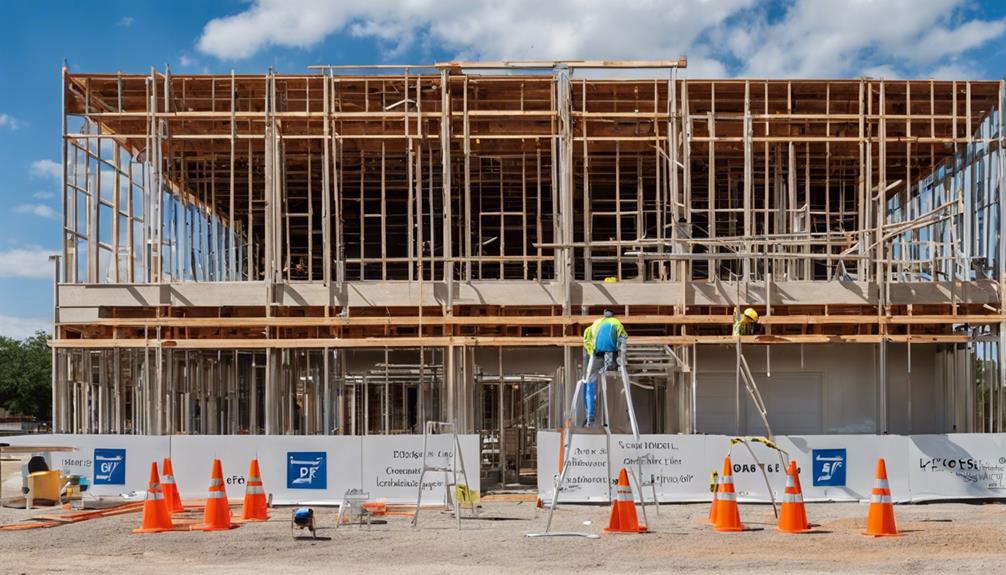
When you're navigating the construction process in Round Rock, TX, understanding Temporary Certificates of Occupancy (TCO) can be crucial. A TCO allows you to occupy a building before the final inspections are complete, which is especially helpful if you need to move in or start business operations without delay.

It's important to know that a TCO is typically issued when the building is safe for occupancy but may still require additional work to meet all code requirements.

To obtain a TCO, you'll need to submit a request to the local building department, often accompanied by a fee. Your application should detail the portions of the building that are complete and safe for occupancy. Inspections will be conducted to ensure compliance with safety and health codes.

Keep in mind that a TCO is temporary; it usually has an expiration date. You'll need to address any outstanding issues and secure a full Certificate of Occupancy before that date to avoid penalties.

Importance of Performance Bonds

Securing a Temporary Certificate of Occupancy is just one aspect of the construction process in Round Rock, TX. Performance bonds play a crucial role in this journey. Essentially, a performance bond guarantees that the contractor will fulfill their obligations according to the contract, providing a legally binding agreement that protects all parties involved. This means you can rest easy knowing that if the contractor fails to complete the project or meets the agreed standards, the bond will cover the financial losses a legally binding agreement.

When you engage with contractors, having a performance bond in place protects your investment. It ensures that the project will be completed on time and to the required specifications. If issues arise, you won't be left scrambling to find funds to finish the job or rectify defects. Instead, the bond provides a safety net, giving you leverage and peace of mind.

Moreover, performance bonds can enhance your credibility. When you show potential partners or clients that you have this assurance, it reflects professionalism and commitment to quality.

Ultimately, having a performance bond isn't just a formality; it's a vital tool that safeguards your interests and promotes a smoother construction process in Round Rock. So, make sure you don't overlook this important component!

Steps to Obtain a TCO

Obtaining a Temporary Certificate of Occupancy (TCO) in Round Rock, TX, involves several key steps that ensure your building meets safety and compliance standards.

First, you'll need to prepare your application. Gather all necessary documents, including your construction plans and any inspection reports.

Next, submit your application to the local building department along with any required fees.

After submitting your application, schedule an inspection with the building department. Be prepared for the inspector to evaluate your property based on safety codes and regulations. This step is crucial, as it determines whether your building is fit for temporary occupancy.

Once the inspection is completed, you'll receive feedback. If your property passes, you can then proceed to finalize any outstanding requirements.

If there are issues, address them promptly and request a re-inspection.

Common Requirements and Regulations

To successfully acquire a Temporary Certificate of Occupancy (TCO) in Round Rock, TX, you'll need to meet several common requirements and regulations.

First, ensure that your construction or renovation project complies with all local building codes and zoning regulations. This means your property must have all necessary permits and inspections completed, including any required permit bonds for specific projects.

Next, you'll need to provide proof that all utilities—such as water, electricity, and gas—are operational and meet safety standards.

Fire safety is also crucial; you must demonstrate that the fire alarms, sprinklers, and emergency exits are in place and functional.

You'll also want to ensure that your site is safe for occupancy. This includes securing any hazardous materials and ensuring that all exits are clear and accessible.

Additionally, you may need to submit a performance bond as a security measure, which guarantees that you'll complete any outstanding work.

Lastly, stay in close communication with local authorities and inspectors throughout the process. They'll provide guidance and may have specific requirements unique to your project, so keeping them informed can help you navigate the regulations more smoothly.

Tips for a Smooth Process

While navigating the process of acquiring a Temporary Certificate of Occupancy (TCO) in Round Rock, TX, it's essential to stay organized and proactive.

Begin by thoroughly understanding the requirements specific to your project, which may include securing necessary bonds similar to Medicare Bonds that ensure compliance and financial security. Make a checklist of all documents and permits needed, so you don't miss anything crucial.

Next, maintain clear communication with local authorities and inspectors. Don't hesitate to ask questions if you're unsure about any regulations or processes. Establish a timeline for each step, allowing buffer time for unexpected delays. This way, you'll ensure everything is in place before your application submission.

Additionally, gather all necessary supporting documents, such as proof of insurance and any performance bonds required. Having these ready can expedite the process significantly.

Regularly follow up on your application status. This not only shows your commitment but also helps keep your project on track. If any issues arise, address them immediately to prevent further delays.

Lastly, prepare for the final inspection by ensuring all work meets safety and regulatory standards. By staying organized and proactive throughout this process, you'll increase your chances of a smooth and successful TCO acquisition.

Conclusion

In Round Rock, TX, securing a Temporary Certificate of Occupancy is essential for your project's timely completion. By understanding the importance of performance bonds and following the necessary steps, you can ensure a smoother process. Keep in mind the common requirements and regulations to avoid potential roadblocks. With careful planning and adherence to local codes, you'll be well on your way to successfully obtaining your TCO and getting your building ready for occupancy.

bookmark_borderCity of Beaumont , TX-Building Contractor Bond

If you're considering hiring a contractor in Beaumont, TX, understanding the building contractor bond is essential. This bond not only ensures that contractors adhere to local regulations but also protects you from potential negligence. You might wonder how these bonds affect the credibility of contractors and what the application process entails. By grasping the nuances of this requirement, you can make more informed decisions about your construction projects. What other factors should you consider to safeguard your investment?

Overview of Building Contractor Bonds

A building contractor bond is a crucial component in ensuring that contractors meet their obligations and standards in Beaumont, TX. This bond serves as a guarantee that you, as a contractor, will adhere to local laws and regulations while completing your projects.

When you obtain a contractor bond, you're not just fulfilling a legal requirement; you're also demonstrating your commitment to quality work and customer satisfaction. Additionally, Illinois Surety Bonds outline the importance of such bonds in protecting clients and ensuring compliance with state regulations.

The bond protects your clients by providing financial compensation in case you fail to meet your contractual obligations. If you don't complete a project or violate any terms, the bond ensures that the affected parties can file a claim to recover their losses. This aspect solidifies trust between you and your clients, enhancing your reputation in the industry.

Moreover, obtaining a bond can also help you secure jobs, as many clients require contractors to be bonded before awarding contracts. It's your way of showcasing reliability and professionalism.

In Beaumont, understanding the specifics of contractor bonds can provide you with a competitive edge, ensuring that you're not just compliant but also a preferred choice among potential clients.

Importance of Contractor Bonds

Contractor bonds play a vital role in the construction industry, offering peace of mind to both contractors and clients. When you hire a contractor with a bond, you're ensuring that they're financially responsible and committed to completing the project according to the agreed terms. This bond acts as a safety net, protecting you from potential financial losses due to contractor negligence or failure to fulfill their obligations.

Additionally, performance bonds are a legally binding agreement that ensures contractors fulfill their project obligations, providing further security for clients in the event of default by the contractor (Performance Bond Overview).

For contractors, having a bond enhances their credibility and reputation. It shows clients that they take their work seriously and are willing to back it up with a financial guarantee. This can be a significant advantage in a competitive market, helping you win more contracts and build a solid client base.

Moreover, contractor bonds often come with strict regulations and standards, encouraging you to adhere to best practices and maintain high-quality work. This not only boosts your professionalism but also fosters trust with clients, leading to repeat business and referrals.

In essence, contractor bonds are crucial for maintaining integrity in the construction industry, ensuring that both parties can engage in projects confidently and securely.

Requirements for Obtaining a Bond

To secure a contractor bond, you'll need to meet specific requirements set by bonding companies and state regulations.

First, you'll typically have to provide proof of your business's legitimacy, which includes a valid contractor's license and a business registration. In Texas, for example, the bond amounts can vary based on the type of contractor, such as the contractor bond amounts for plumbing or roofing.

Next, bonding companies will assess your financial stability. This often requires submitting financial statements, tax returns, and possibly a credit report. A strong credit score can enhance your chances of approval.

Additionally, you'll need to demonstrate your experience in the construction industry. This might involve providing references from past projects or detailing your work history. Some bonding companies may also require a background check to ensure you have a solid reputation.

Furthermore, you should be prepared to pay a premium for the bond, which usually ranges from 1% to 15% of the total bond amount, depending on your financial health and the bond type.

Lastly, it's essential to understand the terms and conditions of the bond, as they can vary widely. By fulfilling these requirements, you'll be well on your way to obtaining your contractor bond in Beaumont, TX.

Types of Bonds in Beaumont

Understanding the various types of bonds available in Beaumont is crucial for contractors looking to safeguard their business and comply with legal requirements. There are several key bonds you should be aware of, each serving a different purpose.

First, the building contractor bond is essential for ensuring that you adhere to local regulations and standards. This bond protects clients from potential losses due to your failure to complete a project according to the contract terms.

Next, you'll find performance bonds, which guarantee that you'll fulfill your obligations as outlined in the contract. If you fail to meet these obligations, the bond provides financial compensation to the project owner.

Another important type is the payment bond, which ensures that all subcontractors and suppliers get paid for their work. This protects you from liens and legal issues that could arise if payments aren't made.

Lastly, there are license bonds required by the state or local government to operate legally. These bonds show that you're committed to following the laws and regulations governing your profession.

Application Process for Contractors

Applying for a building contractor bond in Beaumont involves several steps that ensure you meet the necessary requirements to operate legally and protect your business.

First, you'll need to gather your business information, including your legal business name, address, and any relevant licenses or permits.

Next, you should check with the city's licensing department for specific bond requirements and any additional documentation they may need.

Once you have all your paperwork in order, you can approach a surety company or bond provider. They'll evaluate your application, which may include a credit check and financial review, to assess your risk level.

After approval, you'll receive a quote for your bond premium. If you agree to the terms, you'll pay the fee and sign the necessary documents.

Finally, the surety company will issue your bond, which you must submit to the city as proof of compliance.

Always remember to keep your bond up to date and renew it as required to maintain your contractor status in Beaumont.

Following these steps will help you navigate the application process smoothly and ensure you're set up for success.

Costs Associated With Bonds

The costs associated with obtaining a building contractor bond in Beaumont can vary widely based on several factors, including the bond amount, your credit history, and the surety company's rates.

Generally, you'll pay a percentage of the total bond amount as a premium. For example, if you need a $100,000 bond and the premium rate is 1%, you'd pay $1,000.

Your credit history plays a significant role in determining your premium. If you've got strong credit, you might qualify for lower rates, while those with poor credit may face higher costs.

Surety companies assess your financial stability, experience, and past performance to set these rates. Additionally, some companies may charge administrative fees or require collateral, further impacting your overall costs.

It's essential to shop around and compare quotes from different surety companies to find the best deal.

Ultimately, understanding these costs will help you budget effectively and ensure you're prepared to meet the financial requirements for obtaining your building contractor bond.

Being proactive about your credit and researching your options can lead to substantial savings in the long run.

Duration and Renewal of Bonds

Once you've tackled the costs of obtaining a building contractor bond, it's important to know how long these bonds last and what the renewal process involves. Typically, a building contractor bond in Beaumont, TX, has a duration of one year. This means you'll need to keep track of the bond's expiration date, as failing to renew it could affect your ability to operate legally.

When it's time for renewal, you'll want to start the process well in advance. Most bonding companies will send you a renewal notice, but it's wise to check in with them yourself. You'll usually need to provide updated information, which may include financial documentation or proof of continued liability insurance.

Renewals often involve a fee, and your premium may change based on your claims history or other factors. Once renewed, your bond will continue to provide financial protection and ensure compliance with local regulations.

Keeping your bond up to date is crucial for your business reputation and operational legitimacy, so make this a priority in your annual planning. Remember, a valid bond isn't just a piece of paper; it's a vital part of your contractor toolkit.

Impact on Homeowners

Homeowners in Beaumont, TX, benefit significantly from the presence of building contractor bonds. These bonds protect you against potential financial losses when hiring contractors for your projects. If a contractor fails to complete the work, doesn't adhere to local building codes, or engages in dishonest practices, you've got a safety net. You can file a claim against the bond, ensuring you're not left high and dry.

Additionally, contractor bonds encourage quality work. Since contractors must obtain a bond to operate legally, they're motivated to uphold high standards and protect their reputation. This means you're more likely to receive satisfactory results when you hire a bonded contractor.

Moreover, having a bond in place fosters trust between you and your contractor. Knowing that they're financially liable for their work gives you peace of mind, allowing you to focus on your project without constant worry.

Lastly, by requiring bonds, the city of Beaumont ensures that only qualified, reputable contractors can work in your area, further enhancing the overall quality of construction. This creates a more secure environment for homeowners like you, making your investment in home improvements much safer.

Common Issues and Resolutions

Navigating the world of building contractor bonds in Beaumont, TX, can present some common challenges.

One issue you might encounter is understanding the bond requirements and their implications for your projects. Many contractors struggle with determining the necessary bond amount, which can vary based on project size and scope. To resolve this, consult with your local building department or a bonding agent who can provide clarity on the specific requirements.

Another challenge is dealing with bond claims. If a client files a claim against your bond, it can be stressful and confusing. To mitigate this, maintain open communication with your clients and address any concerns promptly. Keeping thorough documentation of your work and agreements will also help defend against unwarranted claims.

Additionally, you may face issues with bond renewals and changes in regulations. Staying informed about local laws and regulations is crucial. Regularly check for updates from the Beaumont city officials or your bonding agent to ensure compliance.

Resources for Contractors and Homeowners

Finding reliable resources can make a significant difference for contractors and homeowners in Beaumont, TX. Whether you're looking for permits, regulations, or bonding information, knowing where to turn is crucial.

Start with the City of Beaumont's official website. It offers a wealth of information on building codes, zoning laws, and necessary permits. You can easily navigate through the resources tailored for contractors and homeowners alike.

Consider joining local trade associations such as the Beaumont Chamber of Commerce or the Texas Association of Builders. These organizations provide networking opportunities, educational resources, and updates on industry standards that can help you stay informed and compliant.

You should also explore online forums and social media groups where local contractors and homeowners share experiences and advice. Websites like Angie's List and Yelp can guide you to reputable contractors and service providers in your area.

Lastly, don't hesitate to consult with legal professionals or bonding experts. They can offer insights into contracts and bonding requirements, ensuring you're adequately protected in your projects.

Utilizing these resources can empower you to make informed decisions, leading to successful construction and renovation experiences.

Conclusion

In conclusion, obtaining a building contractor bond in Beaumont, TX, is essential for both contractors and homeowners. It not only ensures quality work and compliance with local regulations but also builds trust in the construction industry. By understanding the requirements and processes, you can enhance your credibility and safeguard your investments. Whether you're a contractor looking to stand out or a homeowner seeking peace of mind, these bonds play a crucial role in fostering a reliable and accountable construction environment.

bookmark_borderCity of Conroe, TX-General Contractor Bond

If you're considering becoming a general contractor in Conroe, TX, understanding the importance of a general contractor bond is crucial. This bond not only protects your clients but also reinforces your credibility in a competitive market. You'll need to navigate specific requirements and the application process, which can be daunting. But what are the different types of bonds available, and how do they impact your business? Exploring these aspects can provide you with valuable insights that could shape your approach in the construction industry.

Importance of General Contractor Bonds

Why are general contractor bonds essential for your construction projects in Conroe, TX? They serve as a safety net, protecting you from financial loss due to contractor misconduct or failure to meet contractual obligations.

When you hire a general contractor, you want reassurance that they'll complete the project on time and within budget. A bond ensures that if they don't, you can file a claim to recover your losses. In Illinois, similar bonds such as performance bonds are crucial for ensuring project completion and compliance with regulations.

Additionally, these bonds promote accountability and professionalism within the construction industry. Knowing that they're bonded encourages contractors to adhere to local regulations and standards, fostering a trustworthy working relationship.

This can lead to smoother project execution and fewer disputes down the line.

Moreover, obtaining a general contractor bond can enhance your project's credibility. Clients and stakeholders often view bonded contractors as more reliable and committed to quality.

This can give you a competitive edge in a crowded market.

Bond Requirements in Conroe

When you're planning a construction project in Conroe, understanding the bond requirements is crucial to ensure compliance and protect your interests.

In Conroe, general contractors typically need a surety bond to operate legally. This bond serves as a financial guarantee that you'll adhere to local laws and fulfill contractual obligations. To facilitate this process, consider leveraging the expertise of an experienced bonding team that can assist you in navigating the specific requirements for your project.

To get your bond, you'll usually need to provide specific documentation, including proof of licensing, financial statements, and project details.

The bond amount often varies depending on the size and scope of your project, so it's essential to check with local authorities for the exact requirements.

Keep in mind that your bond must remain active throughout the duration of your project. If you fail to meet your obligations, the bond protects clients by covering any financial losses they incur.

It's also worth noting that failure to comply with bond requirements can lead to penalties or even project delays.

Before starting any construction, make sure you understand these requirements fully. Not only will this help you stay compliant, but it'll also ensure that you can proceed with your projects with peace of mind, knowing you're protected.

Application Process Explained

Navigating the application process for a general contractor bond in Conroe can be straightforward if you know what to expect. First, you'll want to gather the necessary documentation. This typically includes your business license, financial statements, and any relevant experience records. Having these documents ready will help speed up your application.

Additionally, understanding the Michigan Surety Bonds framework can provide valuable insights into the requirements and processes involved in securing a bond.

Next, you'll need to choose a surety company. Research various sureties to find one that fits your needs, then contact them to start the application process. They'll likely ask for specific information about your business, including your credit history and project experience. Be prepared to answer questions about your financial stability and business operations.

Once you've submitted your application, the surety company will review it, which may involve a credit check. If everything checks out, you'll receive a bond quote. Review the terms carefully before making a decision. After you accept the quote, the surety will issue your bond.

Types of General Contractor Bonds

Understanding the various types of general contractor bonds is crucial for ensuring compliance and protecting your business. There are several types of bonds you might encounter.

First, you've got the performance bond, which guarantees that you'll complete a project according to the contract terms. If you fail to do so, the bond covers the costs for the project owner to hire someone else to finish the job.

Next, there's the payment bond. This bond ensures that you'll pay all your subcontractors, suppliers, and laborers. If you don't, those parties can make a claim against the bond to recover unpaid amounts.

Another type is the license bond. This bond is often required by state or local governments to ensure that you comply with applicable laws and regulations. It protects the public from any violations of the law.

Lastly, consider the maintenance bond, which covers repairs and maintenance for a specified period after project completion.

Understanding these bonds helps you select the right ones for your projects and guarantees you're prepared for the responsibilities that come with contracting work.

Benefits for Contractors and Clients

General contractor bonds not only protect clients but also offer significant advantages for contractors themselves. By obtaining a bond, you enhance your credibility and establish trust with potential clients. Many homeowners and businesses feel more secure hiring a bonded contractor, knowing that they've financial backing in case of incomplete work or other issues.

Additionally, having a general contractor bond can help you stand out in a competitive market. Clients often prioritize contractors who are bonded, as it signals professionalism and commitment to quality. This can lead to more job opportunities and higher earning potential.

Moreover, bonds can provide a safety net for your business. If a client files a claim due to dissatisfaction or project delays, the bond can cover any financial losses, helping you maintain your reputation and continuity of service.

Lastly, the bonding process often requires you to meet specific standards and maintain a certain level of financial responsibility. This can lead you to improve your business practices, ultimately benefiting your operations and client relationships.

In short, securing a general contractor bond is a smart move that can yield long-term benefits for both you and your clients.

Common Challenges and Solutions

Securing a general contractor bond can come with its share of challenges, and being aware of these obstacles can help you navigate the process more smoothly. One common challenge is understanding the requirements set by the City of Conroe. Make sure you thoroughly research local regulations to ensure you meet all necessary criteria.

Another hurdle you might face is financial qualification. Surety companies may require proof of financial stability, which can be daunting. To tackle this, prepare your financial documents in advance and consider consulting with a financial advisor to strengthen your application.

Additionally, you may encounter delays in processing your bond. This can be frustrating, especially if you're on a tight schedule. To mitigate this, maintain open communication with your surety agent and follow up regularly on your application's status.

Lastly, some contractors struggle with higher bond premiums due to past claims or poor credit history. If this is your case, work on improving your credit score or seek a co-signer to boost your chances.

Conclusion

In conclusion, obtaining a general contractor bond in Conroe, TX, is vital for your success and credibility in the construction industry. By understanding the bond requirements and navigating the application process, you not only protect your clients but also enhance your professional reputation. Remember, the right bond can safeguard your projects and help you overcome challenges in the competitive market. Embrace the bonding process, and you'll be well on your way to building a trustworthy business.

bookmark_borderAuburn, Alabama – Indemnity Bond (Plumbers)

If you're a plumber in Auburn, Alabama, understanding indemnity bonds is essential for your business's success. These bonds not only provide financial security but also enhance your credibility with clients, setting you apart from competitors. You'll need to navigate specific requirements to obtain a bond, including licensing and proof of liability insurance. However, what happens if you fail to maintain compliance or let your bond lapse? The implications could be significant, and addressing them proactively could make all the difference in your professional journey.

Understanding Indemnity Bonds

When it comes to the plumbing industry, understanding indemnity bonds is crucial for both contractors and clients. These bonds serve as a safety net, ensuring that a contractor is held accountable for their work. Essentially, an indemnity bond guarantees that if a contractor fails to fulfill their obligations or causes damage, the bond will cover the costs incurred by the client or other parties affected.

You should know that indemnity bonds differ from insurance. While insurance protects against losses, indemnity bonds specifically provide a guarantee that a contractor will complete the job as agreed. If they don't, the client can claim compensation from the bond, which is often a predetermined amount. This offers peace of mind, knowing that there's financial recourse in place.

For contractors, securing an indemnity bond can enhance credibility and trust. It shows clients you're serious about your work and willing to take responsibility.

Additionally, many clients require these bonds before hiring a contractor, making it essential for you to understand the bonding process and its implications. Familiarizing yourself with indemnity bonds can make you a more reliable and competitive player in the plumbing industry.

Importance for Plumbers

The importance of indemnity bonds for plumbers can't be overstated. These bonds serve as a safety net, protecting you and your clients from potential financial losses arising from your work. When you hold an indemnity bond, it shows that you're serious about your profession and willing to take responsibility for your actions. This builds trust with your clients, making them more likely to hire you for their plumbing needs.

Moreover, having an indemnity bond can set you apart from the competition. Customers often look for professionals who are bonded and insured. It demonstrates that you comply with industry standards and regulations, which can enhance your reputation in the community.

In the event of a dispute or claim, an indemnity bond can cover damages, ensuring you're not left with hefty financial burdens. This protection is crucial for your peace of mind, allowing you to focus on delivering quality service without the constant worry of potential lawsuits.

In essence, indemnity bonds are a vital tool for plumbers. They not only safeguard your business but also solidify your professional credibility, making it easier to attract and retain clients.

Requirements in Auburn

In Auburn, plumbers must meet specific requirements to obtain an indemnity bond. First, you need to be a licensed plumber in the state of Alabama, as this ensures you have the necessary skills and knowledge to perform plumbing work safely and effectively.

You'll also have to provide proof of your experience in the field, typically through documentation of your work history or apprenticeship.

Additionally, you must submit a completed application to the bonding company, which includes personal and business information. This helps them assess your qualifications and determine the bond amount.

Many bonding companies require you to maintain a minimum credit score, as it reflects your financial responsibility.

It's also important to have liability insurance, as it protects both you and your clients in case of accidents or damages during your work.

The bond amount can vary based on the scope of your plumbing services, so be prepared for that discussion.

Lastly, you'll need to pay the bond premium, which is often a percentage of the total bond amount. Meeting these requirements will help you secure your indemnity bond and operate legally in Auburn.

Steps to Obtain a Bond

Obtaining an indemnity bond as a plumber involves several clear steps.

First, you need to gather all necessary documentation, including your plumbing license, proof of insurance, and any required business permits. This paperwork will help demonstrate your qualifications and professionalism to the bonding company.

Next, research bonding companies that operate in Auburn, Alabama. Compare their rates, terms, and customer reviews. Once you've selected a provider, reach out to them for a quote. They'll likely ask for your documentation and details about your plumbing business, including your work history and any claims made against you.

After you receive a quote, review the terms and conditions. If everything looks good, you'll need to complete an application. Some companies may require a credit check and background information. Be prepared to answer questions about your experience and the specifics of your plumbing work.

Once your application is approved, pay the premium to secure your bond.

Maintaining Compliance and Renewal

Maintaining compliance with your indemnity bond is essential for ensuring your plumbing business operates smoothly and legally. To achieve this, you'll need to stay aware of the specific requirements set by the state of Alabama. Regularly review your bond's terms and conditions to ensure you understand your obligations and any potential updates.

Renewing your bond is equally important. Most bonds have an annual renewal process, so mark your calendar to avoid lapsing. When it's time to renew, check if your bond amount still meets state requirements and consider any changes in your business that may affect this.

You should also assess your financial situation, as changes may impact your bond premium.

In addition, maintaining a solid reputation in your community can help ensure your bond remains in good standing. Address any complaints quickly and communicate with clients transparently.

If your bond provider requires regular reporting or documentation of your work, make sure you submit these on time. By actively managing compliance and staying organized, you can save yourself from potential legal issues and ensure your plumbing business thrives.

Conclusion

In conclusion, securing an indemnity bond in Auburn, Alabama, is essential for plumbers like you. It not only boosts your credibility but also protects your clients and your business. By understanding the requirements and following the necessary steps, you can easily obtain and maintain your bond. Staying compliant with regulations and renewing your bond on time ensures that you continue to thrive in this competitive industry, fostering trust and reliability among your clients.

bookmark_borderTexas MUD Public Official Bond – Bond

When you consider the texas MUD Public Official Bond, it's essential to grasp its role in maintaining accountability among municipal officials. These bonds not only protect taxpayer interests but also set a standard for ethical governance. If you're involved in local governance, understanding who requires a bond and the implications of non-compliance can be crucial. What happens if an official violates the terms of their bond? The consequences might surprise you and could have a lasting impact on your community's trust in local leadership.

Understanding Public Official Bonds

When you think about the role of public officials in Texas, it's essential to understand the purpose of public official bonds. These bonds serve as a form of insurance, protecting the public from potential misconduct or negligence by officials. Essentially, they ensure that officials fulfill their duties responsibly and ethically.

In addition to safeguarding taxpayer interests, these bonds also provide a level of assurance for financial obligations tied to various projects, including those involving public utilities Illinois Surety Bonds.

Public official bonds act as a safeguard for taxpayers, providing financial compensation in case an official mismanages funds or engages in fraudulent activities. This bond represents a commitment to uphold integrity and accountability in public service. By requiring these bonds, Texas promotes trust between citizens and their elected officials.

You should also know that these bonds aren't just a formality; they're a legal requirement for many public officials, including municipal utility district (MUD) board members. This requirement aims to minimize risks associated with public funds and operations.

Understanding public official bonds allows you to appreciate the mechanisms in place that protect your interests as a taxpayer. Ultimately, these bonds play a crucial role in maintaining transparency, encouraging ethical behavior, and ensuring that public officials remain answerable to the communities they serve.

Importance of Texas MUD Bonds

Texas MUD bonds are crucial for ensuring the financial integrity and accountability of municipal utility districts. These bonds protect the public by safeguarding funds and ensuring that officials act responsibly. When you invest in a community, you want to know that the people managing your resources are reliable. MUD bonds provide that assurance.

Wisconsin Surety Bonds ensure compliance and protect consumers, which is similarly important in Texas.

By requiring public officials to obtain these bonds, you create a system of checks and balances. If an official mismanages funds or engages in unethical behavior, the bond offers a financial safety net. This means you can file a claim to recover losses, which holds officials accountable for their actions.

Additionally, MUD bonds enhance trust within the community. When residents see that their leaders are bonded, it fosters confidence that the district will operate transparently and efficiently. This trust is vital for promoting community engagement and encouraging residents to participate in local governance.

Who Needs a Public Official Bond?

Public officials involved in the management of municipal utility districts typically need a public official bond to ensure accountability and protect community funds. This requirement is similar to the types of surety bonds in Louisiana that ensure compliance with local regulations.

If you serve as a board member, treasurer, or any other official role within a municipal utility district, you're likely required to obtain this bond. This bond acts as a safety net for the community, safeguarding against potential misconduct or negligence in handling funds.

If you're responsible for financial decisions, maintaining records, or overseeing projects, having a public official bond demonstrates your commitment to ethical management and transparency.

Additionally, this bond can be a requirement set forth by state regulations or local ordinances. It's not just about legal compliance; it also builds trust within the community you serve. Your constituents want to know their funds are managed responsibly, and a public official bond is a clear signal of your dedication to that responsibility.

In short, if you're involved in any capacity that affects the financial operations of a municipal utility district, securing a public official bond is essential to protect both your interests and those of the community.

Bond Amount Requirements

Determining the bond amount required for public officials in municipal utility districts involves several factors, including the size of the district and the specific role you hold. Typically, the bond amount can range from $1,000 to $100,000 or more, depending on your responsibilities.

For instance, if you're a treasurer or a manager handling significant funds, you'll likely face higher bond requirements due to the increased risk involved.

Your district's governing documents or state regulations often dictate the minimum bond amount. It's essential to review these carefully to ensure compliance.

Additionally, the bond amount may also be influenced by the financial history of the district and any potential risks associated with your position.

Keep in mind that higher bond amounts generally provide greater protection for the district against potential misconduct or negligence.

While it might seem like an added expense, a well-chosen bond amount demonstrates your commitment to safeguarding public funds.

Ultimately, it's in your best interest to consult with legal or financial advisors familiar with municipal utility districts to determine the appropriate bond amount tailored to your situation.

Process of Obtaining a Bond

When you're ready to obtain a bond for your role in a municipal utility district, the process usually starts with gathering necessary documentation and identifying a reliable surety company.

You'll need to provide personal information, including your full name, address, and social security number, along with details about your position and the MUD itself. This will help the surety company evaluate your eligibility.

Next, you'll submit a bond application to the chosen surety company. They may require additional information, such as financial statements or credit history, to assess your financial stability.

Be prepared to answer questions about your experience and responsibilities within the MUD.

Once your application is reviewed, the surety company will determine the bond amount and premium based on their findings. If approved, you'll receive a quote outlining the costs.

After you agree to the terms, you'll need to pay the premium, which typically ranges from 1% to 15% of the bond amount.

Finally, the surety company will issue your bond, allowing you to fulfill your obligations as a public official in the MUD.

Don't forget to keep your bond active and renew it as required!

Responsibilities of Public Officials

As a public official in a municipal utility district, you're entrusted with significant responsibilities that directly impact your community. Your role involves managing resources, overseeing infrastructure, and ensuring that services like water and electricity are provided efficiently. You must be transparent in your decision-making processes, as the community relies on your integrity and accountability.

You're also responsible for adhering to local, state, and federal regulations. This means staying informed about changes in laws and best practices relevant to municipal management. It's essential to engage with residents, listen to their concerns, and communicate updates or changes effectively. Building trust with your constituents is vital for fostering a positive relationship.

Moreover, you'll need to work collaboratively with other officials and departments to achieve common goals. This includes budgeting, planning, and implementing projects that enhance community welfare. Your leadership can inspire others to contribute to the district's success.

Lastly, it's crucial to maintain accurate records and documentation of all transactions and decisions. This not only protects you but also supports transparency and accountability within the district.

Consequences of Bond Violations

Violating the terms of a public official bond can lead to serious repercussions that affect both your career and the community you serve. When you breach your bond, you risk facing legal actions, including fines and potential lawsuits. These financial penalties can strain your personal finances and damage your reputation.

Moreover, your position as a public official may come under scrutiny. Community trust can erode quickly, leading to public backlash and loss of support. This can significantly impact your ability to effectively serve in your role, as constituents may question your integrity and decision-making skills.

In some cases, bond violations can result in disciplinary action, including suspension or removal from office. This not only affects your professional life but can also have long-lasting implications on your future career opportunities. Employers in the public sector typically conduct thorough background checks, and a bond violation may close doors you never intended to shut.

Ultimately, the consequences of violating your bond extend beyond personal ramifications. They can ripple through the community, undermining the trust essential for effective governance. It's crucial to understand and abide by the bond's terms to protect yourself and those you serve.

How Bonds Protect Communities

Public official bonds play a vital role in safeguarding communities by ensuring accountability and financial protection. When public officials manage community resources, you expect them to act in the best interest of the citizens. These bonds serve as a financial guarantee that if a public official mismanages funds or engages in dishonest practices, the community can recover losses.

By requiring public officials to obtain a bond, you're promoting transparency and trust within your community. This requirement ensures that officials are held accountable for their actions, encouraging them to perform their duties responsibly. If an official makes a mistake or acts inappropriately, the bond provides a safety net for the community, allowing you to seek compensation for any damages incurred.

Moreover, public official bonds can deter misconduct. Knowing there's a financial consequence for unethical behavior may encourage officials to adhere to laws and regulations. This fosters a sense of integrity in public service, which ultimately benefits everyone in the community.

Differences Between Bonds and Insurance

Frequently, people confuse bonds and insurance, but they serve distinct purposes. A bond is a three-party agreement that protects the interests of a beneficiary, like a community, against losses caused by a public official's misconduct. You pay a premium for this bond, but it's ultimately the surety company that guarantees payment to the beneficiary if a claim arises. This means that if a public official fails to fulfill their duties, the bond compensates the affected party.

On the other hand, insurance is a contract between you and an insurance provider where you pay premiums to cover potential losses. Insurance protects you from personal liabilities, such as property damage or medical costs, and it compensates you directly for your losses.

Unlike bonds, insurance doesn't involve a third party benefiting from your coverage.

Resources for Public Officials

As a public official, knowing where to turn for reliable resources is crucial for effectively fulfilling your responsibilities. You'll want to access tools that can guide you in decision-making and ensure compliance with regulations. Start by checking the Texas Secretary of State's website, which offers a wealth of information on public governance and legal requirements.

Additionally, consider joining professional organizations such as the Texas Municipal League or the Texas Association of Counties. These organizations provide networking opportunities, educational resources, and updates on legislative changes that affect your role. They often host workshops and seminars that can enhance your skills and knowledge.

Don't overlook local resources, too. Your city or county clerk's office can offer valuable insights and support tailored to your community's needs. Take advantage of online platforms and forums where fellow public officials share experiences and best practices.

Lastly, stay informed by subscribing to relevant newsletters and publications. Keeping up-to-date with industry trends and legal updates is essential for maintaining your effectiveness and accountability as a public official.

With these resources at your disposal, you'll be better equipped to navigate your responsibilities confidently.

Conclusion

In summary, Texas MUD Public Official Bonds are vital for ensuring accountability among local officials. By requiring these bonds, your community can protect taxpayer interests and promote ethical governance. If you're a board member or treasurer, understanding the bond requirements and process is essential. Remember, these bonds not only safeguard public funds but also foster trust and encourage your active participation in local governance. Stay informed and engaged—it's key to a healthy community!

bookmark_borderTexas P-5 Blanket Bond

When you're navigating the oil and gas industry in texas, understanding the Texas P-5 Blanket Bond is essential. This bond not only ensures compliance with various regulatory obligations but also streamlines the bonding process for multiple sites. You might find that it enhances your company's credibility and could even lead to cost savings. But what exactly does it cover, and how do you determine if you're eligible? There are nuances that can significantly impact your operations, so let's explore those details further.

What Is a P-5 Blanket Bond?

What exactly is a P-5 Blanket Bond? A P-5 Blanket Bond is a type of surety bond specifically designed for businesses operating in the oil and gas industry in Texas. This bond is often required by the Texas Railroad Commission to ensure that operators comply with state regulations and maintain financial responsibility for their activities.

When you secure a P-5 Blanket Bond, you're essentially providing a guarantee that you'll fulfill your obligations, such as paying taxes and adhering to environmental laws.

The bond covers multiple sites or operations under a single bond, making it a convenient option for companies with various projects. Instead of obtaining separate bonds for each site, you can streamline your bonding process, saving time and resources.

The bond amount typically reflects the total potential liability your company could face, which means you'll need to assess your operations carefully to determine the appropriate coverage.

Advantages of the P-5 Bond

Securing a P-5 Blanket Bond brings numerous advantages for businesses in the Texas oil and gas sector. First, it provides a streamlined solution for meeting regulatory requirements. Instead of obtaining separate bonds for each operating location, you can cover multiple sites under a single bond, saving you time and effort.

Additionally, having a P-5 Blanket Bond can align with the need for various Texas Surety Bonds that may be required in the industry, further simplifying your compliance process.

Additionally, this bond helps enhance your credibility with clients and partners. By demonstrating your financial responsibility and commitment to compliance, you build trust within the industry, which can lead to more business opportunities.

Moreover, a P-5 Blanket Bond can protect you from potential liabilities, ensuring that funds are available for restoration or other obligations should any issues arise.

Another significant advantage is the potential cost savings. Since you're covering multiple operations under one bond, you often benefit from lower premiums compared to securing individual bonds. This can free up resources for other essential areas of your business.

Lastly, having a P-5 Blanket Bond can improve your overall risk management strategy, allowing you to focus on growth and operational efficiency while ensuring compliance with state regulations.

Embracing this bond is a smart move for any serious player in the Texas oil and gas industry.

Eligibility Requirements

To qualify for a Texas P-5 Blanket Bond, certain eligibility requirements must be met.

First, you need to be a licensed operator in the state of Texas. This means holding a current license from the Texas Commission on Environmental Quality (TCEQ) or another relevant regulatory body. You also must have a clean compliance history with no significant violations related to environmental regulations.

Next, your financial standing is crucial. You'll need to demonstrate financial stability, which generally involves providing proof of your business's financial health. This could include balance sheets, income statements, or tax returns.

Additionally, your business must operate within the specified industries that require a P-5 Blanket Bond, such as waste management or hazardous materials handling. Make sure that your operations align with the bond's purpose.

Lastly, you should be prepared to provide any additional documentation that may be requested by the bonding agency. This can include details about your business operations, safety protocols, and any relevant insurance policies.

Meeting these eligibility requirements will put you on the right path to securing a Texas P-5 Blanket Bond.

Application Process Overview

The application process for obtaining a Texas P-5 Blanket Bond involves several straightforward steps that ensure you're adequately prepared.

First, you'll need to gather the necessary documentation, including proof of your business's financial stability, such as tax returns and bank statements. This information helps underwriters assess your risk level.

Next, you'll want to complete the application form, which typically requires details about your business, including its structure, ownership, and operations. Be sure to provide accurate information to avoid delays in processing your application.

Once you've filled out the form, submit it along with your supporting documents to the bonding company of your choice.

After submission, the bonding company will review your application and may request additional information or clarification. It's crucial to respond promptly to any inquiries to keep the process moving smoothly.

Coverage Details

After submitting your application and supporting documentation, it's important to understand the coverage details of the Texas P-5 Blanket Bond. This bond primarily protects the state of Texas and its residents against financial losses caused by the dishonest or fraudulent actions of licensed entities.
Such bonds not only provide a financial safety net but also promote trust assurance for clients engaging with your business, ensuring accountability and ethical conduct.

Your coverage typically extends to various activities, including theft, fraud, and embezzlement by employees or agents acting on behalf of your business. The bond ensures that if any covered incident occurs, you'll have a financial safety net to help you recover from losses.

It's crucial to note that the bond covers the actions of multiple employees or agents under a single blanket policy, simplifying the process for businesses with various personnel. However, specific limits and conditions may apply, so you must review your bond agreement carefully.

Additionally, the Texas P-5 Blanket Bond might require you to maintain certain operational standards and comply with regulations to keep your coverage valid.

Understanding these details will help you stay compliant and protect your interests effectively while operating in Texas.

Cost Factors

Several factors influence the cost of obtaining a Texas P-5 Blanket Bond, making it essential for you to understand how these elements can impact your premium. One of the primary considerations is your credit score. A higher credit score typically results in lower premiums, as it reflects your reliability and financial health.

Additionally, regulatory compliance, including proof of a valid bond, is crucial for establishing trust with clients and regulators, which can also affect your overall costs who needs a bond.

Another significant factor is the amount of coverage you need. The greater the coverage limit, the higher your premium will be.

Additionally, the specific risks associated with your business operations can affect costs. If your industry is deemed high-risk, expect to pay more.

Your business's financial history also plays a role. Insurers may scrutinize your past claims and overall financial stability, which can lead to variations in pricing.

Furthermore, the duration of the bond can impact cost; longer-term bonds might come with different pricing structures.

Lastly, the bonding company you choose can influence your premium, as different providers may have distinct pricing models.

Common Misconceptions

Many people have misconceptions about Texas P-5 Blanket Bonds that can lead to confusion and poor decision-making. One common myth is that these bonds cover all types of projects, but that's not true. They're specifically designed for certain types of contractors and jobs, so you need to ensure your work aligns with the bond's requirements.

Another misconception is that having a P-5 Blanket Bond guarantees your project will be free of issues. While it provides financial protection, it doesn't eliminate the need for proper planning and execution. You're still responsible for managing your project effectively.

Some folks also believe that obtaining a P-5 Blanket Bond is a quick and easy process. However, it often involves thorough vetting and paperwork. Don't underestimate the time and effort required.

Lastly, many think that P-5 bonds are only for large contractors. In reality, small and medium-sized businesses can also benefit from them.

Understanding these misconceptions helps you make informed decisions and ensures you're better prepared as you navigate the bond process. Always do your research and consult with professionals to clarify any doubts you may have.

Impact on Contractors

The impact of Texas P-5 Blanket Bonds on contractors can be significant, shaping both their business opportunities and financial security. These bonds provide a safety net, ensuring that you're protected against potential financial losses due to project defaults or contractor noncompliance.

By having a blanket bond, you can demonstrate your commitment to fulfilling obligations, which can enhance your credibility in the eyes of clients and stakeholders.

Moreover, securing a Texas P-5 Blanket Bond can open doors to larger projects that require bonding. Clients often prefer contractors who've this form of assurance, as it acts as a guarantee for project completion and adherence to regulations. This can lead to more job opportunities and potentially higher revenue.

However, it's crucial to understand the responsibilities that come with the bond. If you fail to meet your obligations, you might face financial repercussions.

Therefore, while the bond can enhance your business prospects, it also requires diligent management of your projects and finances. Ultimately, embracing the Texas P-5 Blanket Bond can be a strategic move that boosts your business standing and fosters growth in a competitive marketplace.

Conclusion

In summary, the Texas P-5 Blanket Bond is essential for your oil and gas business, offering compliance, credibility, and potential cost savings. By understanding its advantages and meeting eligibility requirements, you can streamline your operations and protect your interests. Don't overlook the benefits this bond provides; it can significantly impact your business success. Take the necessary steps to secure your P-5 Blanket Bond today and ensure your company thrives within the competitive Texas energy sector.

bookmark_borderSan Patricio County, TX-Road Bond

As you consider the implications of the san patricio county road Bond, it's clear that the initiative holds potential for significant improvements in local infrastructure. You might wonder how these changes can directly affect your daily commute, emergency services, and even local businesses. With a focus on sustainability and community involvement, the bond seems poised to foster a sense of pride among residents. However, the financial aspects and voter engagement strategies raise important questions about its overall viability. What could this mean for the future of transportation in your area?

Overview of the Road Bond

The San Patricio County Road Bond aims to enhance local infrastructure by funding critical road improvements and maintenance. This initiative focuses on addressing the growing needs of your community's transportation systems, ensuring that roads are safe and efficient for daily use.

You'll likely notice that many roads in the area require urgent attention due to wear and tear, increased traffic, and changing weather conditions.

By supporting this bond, you're investing in the future of your community. Improved roads can lead to better accessibility for emergency services, reduced travel times, and overall economic growth.

Moreover, investing in infrastructure can attract new businesses and residents, contributing to the county's prosperity.

As you consider your position on the bond, think about the long-term benefits it brings to your daily life. Better roads not only enhance your commute but also promote safer travel for your family and friends.

It's essential to recognize that these improvements can lead to a higher quality of life, making San Patricio County a more appealing place to live and work. Your support plays a vital role in shaping the future of your community's infrastructure.

Key Features of the Proposal

This proposal includes several key features designed to maximize the impact of the road bond on San Patricio County's infrastructure.

First, it allocates funds specifically for the repair and maintenance of existing roadways, ensuring safety and accessibility for all residents. You'll see a significant portion dedicated to upgrading outdated traffic signals and signage, enhancing overall traffic flow and reducing congestion.

Next, new road construction projects are prioritized, targeting key areas that currently lack proper access. This not only improves connectivity but also promotes economic growth by facilitating easier transportation for businesses and residents alike.

Additionally, the proposal emphasizes the importance of environmentally friendly practices, incorporating sustainable materials and methods in road development.

Another feature is the establishment of a community oversight committee. This group will provide transparency and accountability throughout the bond's implementation, allowing you to have a voice in how funds are utilized.

Lastly, the plan includes timelines for each project, ensuring that you can track progress and see improvements in real time.

These key features work together to create a comprehensive approach, addressing both immediate needs and long-term goals for San Patricio County's infrastructure.

Benefits to Local Communities

With improved infrastructure on the horizon, local communities in San Patricio County stand to gain significantly from the road bond proposal.

You'll notice enhanced connectivity between neighborhoods and key locations, making it easier for residents to access schools, healthcare, and shopping centers. This increased accessibility isn't just convenient; it can lead to higher property values as well.

As road conditions improve, you can expect reduced travel times and lower vehicle maintenance costs. Less wear and tear on your car means more money in your pocket.

Plus, smoother roads can enhance safety, reducing the likelihood of accidents and injuries.

Local businesses will thrive with better infrastructure. Improved roads attract more customers, encouraging economic growth and job creation in your community.

You might see new businesses opening or existing ones expanding, providing more options for employment and services.

Additionally, enhanced infrastructure can boost community pride. Seeing your area invest in its roads makes you feel more connected and engaged.

Financial Implications and Budget

Investing in the San Patricio County road bond proposal presents significant financial implications for both taxpayers and local governments. When you support this bond, you're essentially agreeing to fund crucial infrastructure improvements, which can lead to enhanced property values and economic growth.

However, it also means that your taxes may increase to cover the bond's cost. Local governments will need to allocate funds wisely to ensure the bond is paid off without compromising other essential services. You might see shifts in budget priorities as officials determine how to balance road improvements with public safety, education, and health services.

It's important to consider how these financial decisions could affect you. With a well-planned budget, the investment can yield long-term savings by reducing maintenance costs and improving traffic flow, ultimately leading to a better quality of life.

But if mismanaged, it could strain local resources and lead to higher taxes than anticipated. Ultimately, understanding these financial implications will help you make informed decisions about supporting the road bond proposal and its potential impact on your community's future.

Voter Engagement and Education

Regularly engaging voters and educating them about the San Patricio County road bond proposal is crucial for its success. You need to understand the importance of the bond and how it impacts your community.

By participating in local forums, town hall meetings, and informational sessions, you can gain insights into the specific projects funded by the bond.

It's essential to share accurate information and dispel any myths surrounding the proposal. Encourage your neighbors to ask questions, voice their concerns, and seek clarity on how the bond will affect local infrastructure.

Utilize social media platforms to spread the word and foster discussions, making sure to provide resources that help explain the details simply and clearly.

Consider organizing community events where residents can learn more about the bond, meet local officials, and discuss its implications. Your involvement can inspire others to engage and make informed decisions.

Timeline for Implementation

Understanding how the road bond proposal will be implemented is just as important as engaging voters. You'll want to know the key steps and timelines involved to ensure the project moves forward smoothly.

First, once the bond is approved, the county will conduct a detailed assessment of the current road conditions and prioritize projects based on urgency and community needs. This assessment typically takes about two to three months.

Next, the county will develop a comprehensive plan, including timelines and budgets for each road improvement project, which can take an additional three to four months.

Following this planning phase, the county will seek bids from contractors. This bidding process usually spans around one month.

Once a contractor is selected, construction can begin. Depending on the scope of work, you can expect construction to last anywhere from six months to two years.

Throughout this timeline, regular updates will be provided to keep the community informed about progress and any adjustments needed. This transparency ensures you're aware of the developments, fostering trust and support as the road improvements take shape in San Patricio County.

Community Feedback and Concerns

As the road bond proposal moves forward, community feedback and concerns play a crucial role in shaping the project's direction. You might've noticed that public meetings are being held to gather your thoughts and opinions. These sessions provide you with a platform to voice your concerns, whether they relate to potential tax increases, environmental impacts, or specific road projects that need attention.

It's essential for you to engage in these discussions. Your feedback can influence key decisions, ensuring the bond addresses the community's most pressing needs. If you feel that certain areas lack proper infrastructure or safety measures, now's the time to speak up.

Moreover, you may have concerns about how funds will be allocated. Transparency in the budgeting process is vital, and you deserve to know where your tax dollars are going. By sharing your thoughts, you can help hold local officials accountable.

The success of the road bond hinges on your involvement. Don't underestimate the power of your voice in this process. Your input can lead to a better outcome for San Patricio County, making it a place where everyone can thrive.

Conclusion

In conclusion, the San Patricio County Road Bond represents a crucial step towards enhancing our local infrastructure. By supporting this initiative, you're not just voting for better roads; you're investing in our community's future. The benefits—improved accessibility, economic growth, and increased safety—will be felt by everyone. Stay engaged, share your thoughts, and let's work together to ensure our voices are heard as we pave the way for a brighter, more connected San Patricio County.

bookmark_borderTexas Timber Permit Bond

When you consider the Texas Timber Permit Bond, it's essential to understand its role in ensuring that timber harvesting operations comply with local regulations. This bond not only protects the environment but also safeguards your financial interests. You might be wondering about the specific eligibility requirements and the application process that can sometimes seem daunting. What if you encounter unexpected hurdles along the way? Understanding these nuances could be the key to successfully navigating the timber industry in Texas.

What Is a Timber Permit Bond?

What exactly is a timber permit bond? A timber permit bond is a type of surety bond required for those who plan to harvest timber in Texas. This bond serves as a guarantee that you'll comply with local regulations and fulfill your financial obligations related to the timber harvesting process.

Essentially, it's a safety net for the state, ensuring that you won't leave behind any financial liabilities or environmental damage.

When you obtain this bond, you're putting forth a commitment that you'll adhere to the laws governing timber harvesting. If you fail to meet these obligations, the bond can be executed, and the funds may be used to cover any damages or fines incurred.

Getting a timber permit bond typically involves working with a surety company, which evaluates your creditworthiness and experience in timber operations. The bond amount varies depending on the scope of your project, but it's an essential step in the permitting process.

Importance of the Texas Timber Permit Bond

Why is the Texas timber permit bond crucial for timber operations? This bond serves as a safety net for you and the community, ensuring compliance with state regulations. By securing this bond, you demonstrate your commitment to responsible timber harvesting practices, which helps protect the environment and maintain public trust.

Without this bond, you risk facing hefty fines and legal issues that could jeopardize your operation. It shows that you're financially responsible, as it holds you accountable for any damages or violations that may occur during your timber activities. If you fail to meet regulations, the bond provides a source of compensation for affected parties, which can save you from costly litigation.

Additionally, having a Texas timber permit bond can enhance your reputation in the industry. It signals to clients, partners, and investors that you prioritize ethical practices and take your responsibilities seriously. In a competitive market, this can set you apart and open doors to more opportunities.

Ultimately, securing this bond isn't just a legal requirement; it's a smart business move that protects your interests and promotes sustainable timber operations.

Eligibility Requirements for Obtaining the Bond

To obtain a Texas timber permit bond, you must meet specific eligibility requirements that ensure you're prepared for responsible timber operations.

First, you need to be a licensed timber operator or a business entity engaged in timber harvesting activities in Texas. This ensures that you have the necessary knowledge and experience to manage timber sustainably.

Next, you'll need to provide proof of financial stability. Bonding companies want to see that you can fulfill your obligations, so be ready to present your financial statements or credit report.

Additionally, having a clean legal record is essential. Any prior violations related to timber harvesting may disqualify you from obtaining the bond.

Moreover, it's crucial to have a valid timber permit issued by the Texas Forest Service. Without this permit, you won't be able to secure the bond.

Lastly, you may also need to demonstrate your understanding of state regulations and environmental practices related to timber harvesting.

Application Process for the Bond

When you're ready to apply for a Texas timber permit bond, the process typically begins with gathering the necessary documentation.

You'll need to provide your business information, including your legal name, address, and contact details. Make sure you have your tax identification number handy, as it'll be required as well.

Next, prepare any relevant financial statements, such as balance sheets or income statements, to demonstrate your financial stability. Some surety companies might also ask for personal financial information, especially if you're a small business owner.

Once you have all your documents in order, you can reach out to a surety company or broker specializing in timber permit bonds.

They'll guide you through the application process, helping you fill out necessary forms and submit your paperwork.

After submitting your application, the surety company will review your information and assess your risk profile.

Be prepared to answer any follow-up questions they may have.

Once approved, you'll receive your bond, allowing you to proceed with your timber operations legally.

Remember to keep your documents organized throughout the process for a smoother experience.

Cost of the Timber Permit Bond

Understanding the cost of a Texas timber permit bond is essential for budgeting your timber operations. The price of the bond varies based on several factors, including the amount of coverage you need and your creditworthiness. Typically, the bond amount required by the state ranges from $1,000 to $25,000, depending on the scale of your timber activities.

Insurance companies generally charge a percentage of the bond amount as a premium, often between 1% and 15%. For example, if you need a $10,000 bond and your premium rate is 2%, you'd pay $200. Your credit score plays a significant role in determining this rate; a higher score usually means a lower premium.

It's also worth noting that some providers may charge additional fees, so it's crucial to review quotes from multiple surety companies to find the best deal.

Keep in mind that while the initial cost is important, the bond ensures compliance and protects you against potential legal issues, making it a valuable investment for your timber operations.

Common Challenges and Solutions

Many timber operators face common challenges when navigating the Texas timber permit bond process. One of the primary hurdles is understanding the specific requirements of the bond. You might find it confusing to determine how much coverage you need and which documents are necessary for the application.

To tackle this, consider consulting with a bonding expert who can guide you through the process.

Another challenge is the financial aspect. The cost of the bond can be significant, especially for new operators. It's crucial to budget for this expense and explore options for lower premiums.

You can often find flexible payment plans or discounts by shopping around with different bonding companies.

Additionally, delays in processing your application can set you back. To avoid this, ensure all your documents are complete and accurate before submission.

Follow up with the bonding agency to check on your application's status.

Conclusion

In conclusion, the Texas Timber Permit Bond is essential for anyone looking to engage in timber harvesting. It not only ensures compliance with regulations but also protects you and your community from potential liabilities. By understanding the eligibility requirements and application process, you can secure this bond effectively. Remember, investing in this bond not only boosts your business reputation but also promotes sustainable practices in the timber industry, benefiting everyone involved.

bookmark_borderCopperas Cove, TX-Statutory Performance Bond

In Copperas Cove, TX, understanding statutory performance bonds is essential for anyone involved in construction projects. You might be wondering how these bonds protect both project owners and contractors, especially when financial commitments are on the line. By ensuring that contractors meet their obligations, performance bonds not only foster trust but also open up new business avenues. However, the bonding process can be complex, and there are various factors to consider. Let's explore what you need to know to navigate this critical aspect of construction successfully.

Understanding Statutory Performance Bonds

A statutory performance bond is a crucial financial tool used in construction and public works projects. This bond guarantees that you'll fulfill contractual obligations, ensuring that the project is completed according to the terms agreed upon.

If you fail to meet these obligations, the bond protects the project owner by providing financial compensation for any losses incurred. The bond is part of a three-party contract involving the obligee, obligor, and surety, ensuring a legally binding agreement that safeguards the interests of all parties involved.

When you secure a statutory performance bond, you're essentially obtaining a promise from a surety company. This company agrees to pay a specified amount if you can't complete the project as promised. It's essential to understand that this isn't just a formality; it reflects your commitment to quality and accountability.

In Copperas Cove, TX, you'll likely encounter statutory performance bonds when bidding on government contracts. The local authorities often require these bonds to protect taxpayer interests and ensure that projects are completed on time and within budget.

For more information on the cost of a performance bond, understanding the pricing structure can help you prepare your bids effectively.

Importance of Performance Bonds

While many contractors may underestimate their significance, performance bonds play a vital role in the construction industry. These bonds act as a safety net, ensuring that you fulfill your contractual obligations. A performance bond is particularly crucial for contractors engaged in government projects, as it provides financial protection for the Department of Defense against contractor defaults and enhances trust in the procurement process a type of surety bond.

When you secure a performance bond, you're not only protecting your clients; you're also safeguarding your reputation and financial stability.

Clients often require performance bonds before awarding contracts. This requirement shows that you're serious about your work and that you can be trusted to complete projects as promised. If you fail to meet the project specifications or deadlines, the bond provides financial recourse for the client, allowing them to recover losses. This not only enhances your credibility but also boosts your chances of winning future contracts.

Moreover, performance bonds can differentiate you from competitors. When clients see that you carry a bond, they feel more confident in your ability to deliver quality work. This assurance can lead to more business opportunities and help you establish long-term relationships in the industry.

Ultimately, performance bonds are more than just a requirement; they're a smart investment in your business's future. By understanding their importance, you can position yourself for success in the competitive construction landscape.

Bonding Process Overview

Navigating the bonding process can seem daunting at first, but understanding the steps involved can simplify your journey.

First, you'll need to gather essential documents, such as your business financials, project details, and any relevant licenses. These documents help the surety company assess your credibility and financial stability. Additionally, it's beneficial to familiarize yourself with the various surety bond services available to ensure you're choosing the right option for your needs.

Next, you'll want to approach a surety agent or broker who specializes in performance bonds. They'll guide you through the application process and help you understand the specific requirements for your project in Copperas Cove, TX.

Once you've submitted your application, the surety company will review your information. This review typically includes a credit check and an evaluation of your experience.

After the review, if you're approved, you'll receive a quote outlining the bond premium. This premium is usually a percentage of the total bond amount and can vary based on your creditworthiness and project scope.

If you accept the terms, you'll sign the bond agreement and pay the premium. Finally, the surety company will issue the bond, allowing you to proceed with your project, knowing you've met the necessary bonding requirements.

Types of Projects Requiring Bonds

Certain projects almost always require performance bonds to ensure compliance and protect all parties involved. If you're considering bidding on a construction project, be prepared for the possibility of needing a bond.

Public works projects, which often involve government contracts, typically require performance bonds as a safeguard against contractor default. This could include road construction, bridge repairs, or any infrastructure improvements funded by taxpayer money.

Additionally, large commercial projects frequently necessitate bonds to protect investors and stakeholders. If you're working on a substantial renovation or building project, you'll likely encounter this requirement.

Similarly, projects involving specialized work, like electrical or plumbing installations, may also call for performance bonds to ensure that the job meets industry standards and regulations.

Lastly, real estate development ventures often require bonds to secure the completion of the project and compliance with local laws.

Eligibility Criteria for Contractors

To qualify for a performance bond in Copperas Cove, TX, contractors must meet several key eligibility criteria.

First, you'll need to demonstrate your financial stability. This often means providing financial statements that show a healthy balance sheet, income statement, and cash flow analysis. Surety companies want to know you can handle the project's financial demands.

Next, your experience matters. You should have a proven track record of completing similar projects on time and within budget. This experience helps reassure surety companies that you're capable of fulfilling your contractual obligations.

Licensing and registration are also crucial. Ensure you hold the necessary licenses required by Texas law and that your business is properly registered. This shows compliance and builds credibility.

Lastly, your credit history will be scrutinized. A strong credit score indicates reliability and helps you secure better bonding rates. If you've had past claims or defaults, these could hinder your eligibility.

Steps to Obtain a Performance Bond

Securing a performance bond involves a straightforward process that can help you protect your interests in a construction project.

First, you'll need to identify a surety company that's licensed and reputable. Research different providers and read reviews to ensure you choose one that fits your needs.

Next, gather all necessary documentation. This often includes your business financial statements, project details, and any relevant contracts. The surety company will evaluate your financial stability and experience, so having organized documentation ready will smooth the process.

Once you've submitted your application, the surety company will conduct an underwriting process. They'll assess the risk involved in bonding you for the project. Be prepared to answer any questions they may have and provide additional information if requested.

If approved, the surety will issue the performance bond. You'll need to review the bond carefully to ensure it meets the project requirements before signing.

Costs Associated With Bonds

Understanding the costs associated with performance bonds is crucial for managing your construction project's budget effectively. The primary cost you'll encounter is the premium, which typically ranges from 0.5% to 3% of the total bond amount. This percentage can vary based on your credit score, the project's scope, and your contractor's experience.

You should also factor in potential fees for underwriting and processing, which can add to your overall expenses. Some sureties may charge additional fees for specific services, such as bond modifications or renewals.

It's essential to remember that while performance bonds involve upfront costs, they can save you money in the long run by mitigating risks associated with contractor defaults.

Additionally, if your project requires multiple bonds, such as bid and maintenance bonds, you'll need to consider these costs collectively. By understanding the overall financial impact of performance bonds, you can make informed decisions that align with your project's financial goals.

Keep in mind that investing in a performance bond not only protects you but also enhances your project's credibility, making it a worthwhile expense in the construction industry.

Risks of Not Having a Bond

Not having a performance bond can expose you to significant risks that may jeopardize your construction project. Without this bond, you're left vulnerable to financial losses if the contractor fails to complete the job as promised. You could end up spending more on repairs or hiring another contractor to finish the work, which can strain your budget.

Additionally, the absence of a performance bond can lead to delays in project completion. If issues arise with your contractor's work ethic or financial stability, you might face prolonged timelines, disrupting your plans and potentially leading to penalties or lost revenue.

Moreover, you could find yourself in legal disputes without the safety net a bond provides. If the contractor defaults or doesn't meet their obligations, you may struggle to recover your losses without a bond in place. This can't only drain your finances but also consume your time and energy.

Ultimately, not having a performance bond puts you at risk of unreliable project execution, unexpected costs, and potential legal troubles. Protecting yourself with a bond is a smart move that ensures your project runs smoothly and efficiently.

Benefits for Property Owners

With a performance bond in place, property owners gain peace of mind knowing that their investment is protected. This bond ensures that contractors fulfill their obligations, which means you won't have to worry about delays or subpar work.

If a contractor fails to meet their commitments, the bond provides you with financial recourse, allowing you to recover losses or hire another contractor to complete the job.

Additionally, having a performance bond can enhance your property's value. It signals to potential buyers that you've taken steps to secure quality work, making your property more appealing in the market.

You'll also find that many lenders view bonded contractors as more reliable, which could lead to better financing options for your projects.

Moreover, performance bonds can foster better relationships with contractors. Knowing they're bonded encourages them to uphold high standards, resulting in a smoother working relationship.

You'll likely see improved communication and accountability as they strive to protect their bond.

Frequently Encountered Challenges

During the contracting process, you may face several challenges related to performance bonds. One significant challenge is understanding the specific requirements set by local regulations. Each jurisdiction, including Copperas Cove, has its own rules, and navigating them can be tricky.

You might find that the bond amount required varies based on the project size or type, which can complicate your budgeting.

Another hurdle is finding a reliable surety company. Not all companies provide performance bonds, and those that do may have different terms and conditions. You'll want to compare options to ensure you're getting the best deal and coverage for your needs.

Additionally, you may encounter issues with the paperwork involved. The application process can be lengthy, requiring detailed financial information and documentation from your business, which can be daunting if you're not prepared.

Lastly, if a contractor defaults, claiming on a performance bond can become a complicated process. You'll need to be diligent in documenting everything to ensure your claim is successful.

Staying informed and organized can help you overcome these challenges and protect your interests throughout the contracting process.

Conclusion

In Copperas Cove, TX, statutory performance bonds are essential for protecting both project owners and contractors. By securing a performance bond, you're not only ensuring the completion of your project but also enhancing your credibility and trustworthiness in the industry. Remember, the benefits far outweigh the costs, and the peace of mind it brings is invaluable. Don't overlook the importance of having a bond—it's a smart move for your construction projects and your financial security.

bookmark_borderChambers County, TX-Overweight Vehicle Bond

If you operate an overweight vehicle in Chambers County, TX, you might find yourself navigating a complex landscape of regulations and financial responsibilities. Securing an overweight vehicle bond isn't just a formality; it's a vital step in protecting yourself from potential fines and legal complications. This bond not only signifies your commitment to compliance but also enhances your credibility in the eyes of clients and regulators. But what does the application process look like, and what risks do you face without it? Let's explore these important aspects further.

Understanding Overweight Vehicle Bonds

Understanding overweight vehicle bonds is crucial for anyone involved in transporting heavy loads. These bonds serve as a financial guarantee that you'll comply with state regulations regarding weight limits on roads and bridges. When you operate a vehicle that exceeds these limits, you're required to obtain an overweight vehicle bond, demonstrating your commitment to adhering to the law.

The bond protects local authorities and the public from potential damages caused by overweight vehicles. If you violate weight regulations, the bond can cover the costs associated with damages or fines. Essentially, it acts as insurance that you'll fulfill your obligations, giving you peace of mind while on the road.

To obtain an overweight vehicle bond, you typically need to work with a surety company. They'll assess your financial standing and the type of loads you'll be transporting. Once approved, you'll pay a premium, and the bond will be issued.

Importance of Compliance

Compliance with overweight vehicle regulations is crucial for maintaining safe roadways. When you adhere to these rules, you're not just following the law; you're also protecting other drivers and your cargo. Overweight vehicles can cause significant wear and tear on roads, leading to potholes and structural damage that affects everyone. By complying, you help ensure that your local infrastructure remains in good condition for all users.

Additionally, understanding the implications of regulations like mileage tax bonds can further enhance your adherence to safety standards and tax compliance.

Moreover, failing to comply can result in hefty fines, legal issues, and even the suspension of your driving privileges. You don't want to deal with the financial repercussions that come from penalties or potential accidents caused by overloaded vehicles. Maintaining compliance also reflects your professionalism and commitment to safety, which can enhance your reputation in the industry.

Additionally, by following regulations, you contribute to the overall safety of your community. An overloaded vehicle can be harder to control and may increase the risk of accidents.

Application Process for Bonds

The application process for obtaining overweight vehicle bonds typically involves a few straightforward steps that you can navigate easily.

First, you'll need to gather the necessary documentation, including your vehicle's registration, proof of insurance, and any relevant permits. This information helps demonstrate your vehicle's specifications and compliance with local regulations.

Additionally, it's crucial to be aware of the specific bond amount required for your county, such as the $15,000 Overweight Vehicle Bond in Chambers County, TX.

Next, you'll want to contact a bonding company or surety provider. They'll guide you through their specific application requirements, which may include filling out a form and providing the gathered documentation.

Be prepared to answer questions about your vehicle's weight, intended routes, and how often you'll be operating in overweight conditions.

Once you submit your application, the bonding company will review it, and you may need to pay a premium based on your vehicle's specifications and your driving history.

If approved, you'll receive your bond, which you must keep on file and present when required by local authorities.

Penalties for Non-Compliance

Failing to comply with overweight vehicle regulations can lead to significant penalties that impact both your wallet and your business operations. If you're caught operating an overweight vehicle, you may face hefty fines that can quickly add up. Depending on the severity of the violation, these fines can range from hundreds to thousands of dollars.

Additionally, you might encounter increased insurance premiums, which can strain your budget further. In some cases, authorities might impound your vehicle, causing delays that disrupt your schedules and lead to lost revenue.

Furthermore, repeated violations can result in more severe consequences, including suspended or revoked permits, which can halt your operations entirely. This can damage your reputation and lead to a loss of clients who rely on you for timely service.

It's crucial to recognize that regulatory bodies take these violations seriously, and they've the authority to enforce penalties. By ensuring compliance with overweight vehicle regulations, you not only avoid these financial and operational repercussions but also contribute to road safety and infrastructure preservation.

Prioritizing adherence to these regulations is key to maintaining your business's success in the long run.

Benefits of Obtaining a Bond

Obtaining a bond for overweight vehicles not only safeguards your business but also enhances your credibility within the industry. When you secure this bond, you're demonstrating your commitment to compliance and responsible operations, which is crucial for maintaining a positive relationship with regulatory authorities.

This not only builds trust with clients and partners but also showcases your professionalism. Additionally, having a bond in place can lead to smoother interactions with regulatory authorities. You'll find that being bonded often results in fewer inspections and less scrutiny, making your operations more efficient.

This efficiency can save you time and money, allowing you to focus on growing your business instead of dealing with potential fines or compliance issues.

Moreover, in the event of an accident or damage caused by your overweight vehicle, the bond provides a financial safety net. It ensures that claims can be settled, protecting both your assets and your reputation.

Furthermore, these bonds act as a financial protection for the public against potential malpractice, reinforcing the importance of accountability within your operations.

Conclusion

In Chambers County, TX, securing an overweight vehicle bond isn't just a formality; it's essential for your operations. By obtaining this bond, you protect yourself from hefty fines and demonstrate commitment to compliance. It also boosts your credibility with clients and regulatory bodies, paving the way for smoother business dealings. Don't overlook the importance of this bond—it's a smart move for ensuring safer roadways and maintaining your professional reputation. Get your bond today!