bookmark_borderNorfolk, VA-City Meal Tax for Sole Proprietor or Partnership Bond

If you're a sole proprietor or part of a partnership in Norfolk, VA, navigating the city's meal tax requirements is crucial for your business. You'll need to secure a meal tax bond to ensure compliance and protect your financial interests. Understanding the bond requirements and the potential consequences of non-compliance can save you from hefty fines and legal complications. But what steps do you need to take to obtain this bond, and how can you effectively manage your meal tax obligations moving forward?

Overview of Meal Tax

When you run a restaurant or food service in Norfolk, VA, understanding the meal tax is essential for your business's financial health. The meal tax is a specific tax applied to prepared food and beverages sold within the city. As a business owner, you'll need to collect this tax from your customers at the point of sale and remit it to the city on a regular basis.

In Norfolk, the current meal tax rate is set by the city council and can change over time, so it's crucial to stay updated on any adjustments. This tax typically applies to dine-in, takeout, and delivery orders, encompassing a wide range of food and drink items.

However, certain exemptions may exist, such as grocery items or specific types of sales. You must keep accurate records of your meal tax collections. This not only helps you stay compliant but also aids in managing your cash flow effectively.

Failure to charge or remit the meal tax properly can lead to penalties, which can significantly impact your bottom line. So, being proactive about understanding and implementing meal tax regulations is vital for your business's success in Norfolk.

Importance of Meal Tax Compliance

Compliance with the meal tax is crucial for your restaurant's reputation and financial stability. Failing to adhere to these regulations can lead to significant penalties, which could hurt your bottom line.

When you consistently meet your meal tax obligations, you show your commitment to operating within the law and support your community's services. Additionally, having the proper license and permit bonds in place acts as a safeguard for your business, ensuring that you're held accountable for following local laws.

Customers notice when businesses comply with local laws. A reputation for integrity can attract more patrons, while non-compliance can deter potential customers and damage your brand. You want your restaurant to be seen as trustworthy and responsible.

Additionally, staying compliant helps you avoid legal issues that could arise from audits or inspections. These situations can be time-consuming and costly, taking your focus away from running your restaurant.

Bond Requirements Explained

Understanding bond requirements is essential for any sole proprietor or partnership operating in Norfolk, VA. This bond acts as a financial guarantee that you'll comply with local meal tax regulations.

When you obtain a bond, you're essentially promising the city that you'll collect and remit the appropriate meal taxes on your sales. Additionally, acquiring a bond enhances your business's credibility and may help you secure contracts more easily, similar to Florida Surety Bonds.

To get started, you'll need to determine the bond amount required by the city, which is typically set based on your expected meal tax collections. You'll also need to provide some personal and business information to the bonding company, like your business structure, financial history, and any relevant licenses.

Once approved, you'll pay a premium, which is usually a percentage of the bond amount. This premium varies based on your creditworthiness.

Keep in mind that maintaining good standing with your bond is crucial. If you fail to pay your meal taxes, bond claims may be filed against you, potentially jeopardizing your business's reputation and financial health.

Who Needs a Bond?

A bond is essential for any sole proprietor or partnership in Norfolk, VA, who plans to serve food or beverages. If you're running a restaurant, café, food truck, or catering business, you'll need to secure this bond to comply with local regulations.

The bond acts as a financial guarantee that you'll adhere to the city's meal tax laws, ensuring you collect and remit taxes appropriately. This requirement is similar to the Cigarette Tax Bonds that ensure compliance for distributors, protecting state revenue from unpaid taxes.

Anyone involved in the preparation and sale of food or drinks to the public falls under this requirement. If you're a small business owner or a partner in a food service operation, it's vital to understand that the bond protects not just your business but also the city and its citizens.

It ensures that you operate fairly and responsibly, maintaining the integrity of the local economy. Even if you're a seasoned operator, you can't overlook this requirement.

The bond provides peace of mind for your customers and the city, ensuring that everyone plays by the rules. So, whether you're just starting out or expanding your existing business, securing a bond is a crucial step in your journey to success.

How to Obtain a Bond

Securing your bond in Norfolk, VA, is a straightforward process that involves a few key steps.

First, you'll need to gather all necessary documentation, including your business license, tax identification number, and any financial statements that may be required. This information helps the bonding company assess your eligibility.

Next, you should reach out to a licensed surety bond provider. It's wise to compare rates and terms from multiple companies to find the best deal.

Once you've chosen a provider, you'll submit your application along with the required documentation.

After your application is reviewed, the bonding company may conduct a background check. This could include checking your credit score and business history.

If everything checks out, you'll receive a bond quote that outlines the premium and terms.

Once you agree to the terms, you'll pay the premium, and the bond will be issued.

Make sure to keep a copy of the bond for your records, as you'll need it to comply with local regulations.

Following these steps will ensure you obtain your bond efficiently and get your business up and running smoothly.

Consequences of Non-Compliance

Non-compliance with the meal tax regulations in Norfolk, VA, can lead to significant repercussions for your business. If you fail to remit the required meal taxes, you may face hefty fines and penalties that can quickly add up. These financial burdens can strain your cash flow, making it harder to sustain your operations.

Additionally, the city could impose interest on any unpaid taxes, further increasing the amount you owe. Persistent non-compliance might even lead to legal action, which could result in more severe consequences, including the potential loss of your business license. This might restrict your ability to operate, effectively putting you out of business.

Moreover, your reputation could take a hit. Clients and customers may view your business as unreliable or untrustworthy, which can drive them away.

On top of that, if the city audits your business and finds discrepancies, it could lead to more scrutiny in the future, complicating your operations further.

In short, it's crucial to stay compliant with meal tax regulations to avoid these negative outcomes and ensure your business thrives.

Tips for Managing Meal Tax

Managing meal tax effectively can feel overwhelming, but with the right strategies in place, you can streamline the process. Start by keeping accurate records of all sales, including the meal tax collected. Use a reliable accounting system to help you track these figures easily.

Next, stay informed about the current meal tax rate in Norfolk. Rates can change, and knowing the correct percentage ensures you're charging customers appropriately. Consider setting reminders for important due dates, like when tax payments are due, to avoid late fees.

Make it a habit to review your meal tax obligations regularly. This can help you identify any discrepancies early on, allowing you to address issues before they escalate. If you're unsure about any aspect of meal tax compliance, don't hesitate to consult with a tax professional. They can provide valuable insights tailored to your specific situation.

Lastly, communicate with your team about the importance of meal tax compliance. Ensure everyone understands their role in the process.

With these tips, you'll not only manage meal tax more efficiently but also build a solid foundation for your business's financial health.

Resources for Business Owners

While navigating the complexities of meal tax can be daunting, numerous resources are available to support business owners in Norfolk, VA. Start by visiting the City of Norfolk's official website, where you'll find detailed information on meal tax regulations, deadlines, and filing procedures. This site is a goldmine for understanding your obligations.

Additionally, consider reaching out to the Norfolk Department of Finance. Their team can answer your specific questions and provide guidance tailored to your business. Don't hesitate to ask about any exemptions or deductions you might qualify for; every bit helps.

Local business organizations, like the Norfolk Chamber of Commerce, offer workshops and seminars on tax compliance. These events can connect you with fellow business owners sharing similar challenges. Networking can lead to valuable insights and support.

Finally, consult with a tax professional familiar with Norfolk's meal tax landscape. They can help you navigate the intricacies and ensure you're compliant while optimizing your tax strategy.

Utilizing these resources will empower you to manage your meal tax responsibilities effectively and keep your business thriving.

Conclusion

In Norfolk, VA, staying compliant with meal tax regulations is crucial for your business's success. Obtaining a meal tax bond not only protects you financially but also reinforces your commitment to ethical practices. By understanding the requirements and managing your obligations effectively, you can avoid penalties and focus on growing your business. Don't hesitate to seek professional advice if you need help navigating these regulations—you'll ensure your venture thrives in a competitive market.


bookmark_borderCoventry, RI – Demolition Bond

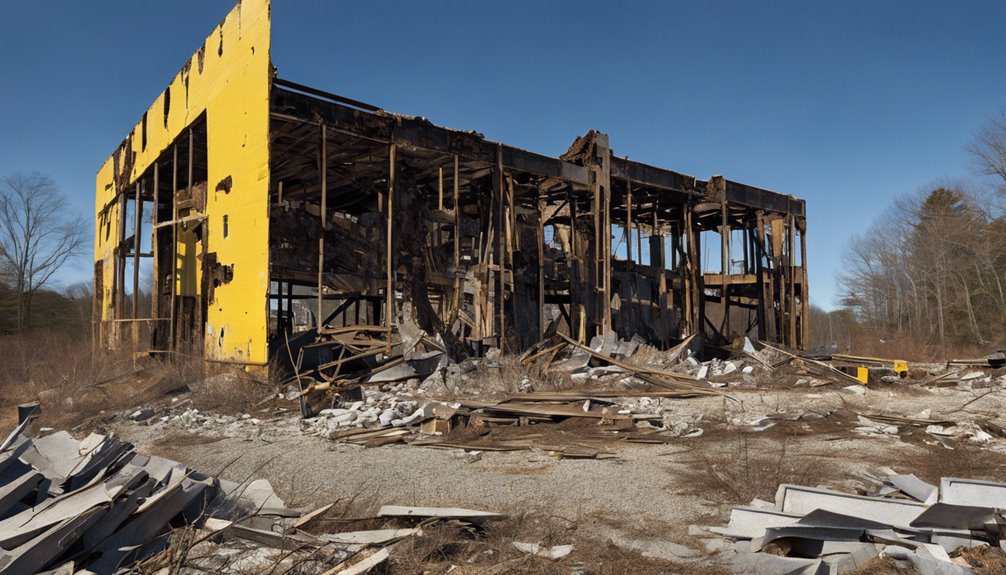
If you're considering a demolition project in Coventry, RI, understanding the role of a demolition bond is crucial. This bond not only safeguards compliance with local regulations but also serves as a financial security for unexpected incidents during the demolition. You'll find that securing a bond can elevate your project's credibility and help you navigate the permitting process more smoothly. But what specific steps do you need to take to obtain this bond, and what costs might you encounter along the way? The answers could significantly impact your plans.

What Is a Demolition Bond?

A demolition bond is a type of insurance that protects local governments and property owners during the demolition process. When you engage in demolition activities, this bond ensures that you'll comply with local regulations and guidelines. It acts as a safety net, covering potential costs that arise from accidents or violations related to the demolition site.

When you obtain a demolition bond, you're essentially providing a guarantee to the local government that you'll fulfill your obligations. If you fail to meet the requirements, the bond can cover any financial losses incurred by the government or affected property owners. This means you should take the bonding process seriously, as it reflects your commitment to safety and adherence to regulations.

In Coventry, RI, securing a demolition bond is a crucial step before commencing any demolition work. You'll need to coordinate with local officials to ensure you meet all necessary criteria.

Importance of Demolition Bonds

Understanding the importance of demolition bonds is essential for anyone involved in construction or renovation projects. These bonds serve as a financial safety net, ensuring that you adhere to local regulations and complete the demolition process responsibly.

If something goes wrong—like environmental damage or injuries—your bond provides a way for affected parties to seek compensation without additional legal hassles.

By securing a demolition bond, you demonstrate your commitment to following safety guidelines and city ordinances. This not only helps you avoid hefty fines but also enhances your reputation in the industry. Clients and partners will feel more confident working with you, knowing you've taken the right steps to mitigate risks.

Furthermore, a demolition bond can be a requirement for obtaining necessary permits. Without it, you might find yourself unable to proceed with your project, leading to delays and increased costs. Additionally, these bonds are crucial for ensuring compliance with state laws, which helps protect both your business and the community.

Types of Demolition Bonds

When diving into the world of demolition bonds, you'll come across several types tailored to different needs and projects. The two primary types are performance bonds and payment bonds.

A performance bond ensures that the demolition contractor fulfills their obligations according to the contract terms. If they fail to complete the project or meet standards, the bond covers the costs incurred to hire another contractor to finish the job. This type of bond offers you peace of mind, knowing your project will be completed as planned.

On the other hand, a payment bond guarantees that subcontractors and suppliers get paid for their work and materials. If the contractor defaults on payments, this bond protects those parties, ensuring they receive compensation. This bond is essential for maintaining a smooth workflow and preventing delays caused by payment disputes.

Additionally, some municipalities may require a specific type of bond, such as an environmental bond, which ensures compliance with local regulations regarding hazardous material disposal. Understanding these different types of demolition bonds can help you choose the right one for your project, ensuring compliance and minimizing financial risk. Furthermore, having a performance bond in place can significantly protect the owner from contractor default, providing an added layer of security for your investment.

How to Obtain a Demolition Bond

Navigating the process of obtaining a demolition bond can seem daunting, but it's straightforward with the right steps.

First, you'll want to gather the necessary documentation. This typically includes proof of your business's financial stability, project details, and any required licenses or permits. Having these documents ready will streamline the application process.

Next, you'll need to choose a reputable bonding company. Research various providers and compare their terms, conditions, and customer reviews. Once you've selected a company, reach out to them for an application form. Fill it out carefully, ensuring all information is accurate and complete.

After submitting your application, the bonding company will conduct a thorough review. They'll evaluate your financial standing, experience, and the specifics of your demolition project. Be prepared to provide additional information if requested.

Once they approve your application, you'll need to sign the bond agreement. Make sure you understand all terms before signing.

Costs Associated With Demolition Bonds

After securing your demolition bond, it's important to consider the costs involved. The total expenses can vary significantly based on several factors, including the bond amount required, the type of project, and your credit history.

Typically, the bond premium ranges from 1% to 15% of the bond amount, which means if your bond is $50,000, you might pay between $500 and $7,500.

You should also account for any additional fees that may arise during the bonding process. These could include administrative fees, underwriting fees, or even costs associated with inspections or legal documents.

If you need to improve your credit score to secure a better rate, consider the time and effort that entails as an indirect cost.

Additionally, don't forget about potential costs related to compliance and project delays. If your demolition project faces unexpected challenges, such as environmental concerns or local opposition, you could incur extra expenses that extend beyond the bond itself. Understanding these costs upfront will help you budget effectively and prevent surprises down the line. Moreover, having the right contract bonds can further streamline your bonding process and mitigate unexpected expenses.

Compliance and Regulations in Coventry

Compliance with local regulations is crucial for any demolition project in Coventry. You need to familiarize yourself with the town's specific requirements, as failing to adhere can lead to delays, fines, or even legal issues.

Start by checking with the Coventry Building Department to understand the necessary permits. You'll typically need a demolition permit, which ensures that your project meets safety and environmental standards.

Next, consider the environmental regulations that apply to your project. Asbestos removal, for instance, requires special handling and disposal processes. If your building contains hazardous materials, you'll need to hire a licensed contractor trained in safe removal practices.

Additionally, you must notify local utilities before beginning demolition. This step ensures that gas, water, and electricity are safely disconnected, minimizing risks during the demolition process.

Conclusion

In Coventry, obtaining a demolition bond is crucial for your project's success. It not only ensures compliance with local regulations but also protects you and the community from potential liabilities. By securing a bond, you demonstrate your commitment to safety and professionalism, which can enhance your reputation as a contractor. So, whether you're a property owner or a contractor, don't overlook the importance of a demolition bond in your next demolition project.

bookmark_borderMountain Brook, Alabama Contractor’s License Bond – Mountain Brook, Alabama

When you're navigating the construction landscape in Mountain Brook, Alabama, understanding the contractor's license bond is crucial. This bond serves as a safeguard for both you and your clients, ensuring compliance with local regulations while fostering trust. You might be wondering what specific requirements you'll need to meet or how the application process works. The implications of securing this bond extend beyond mere legality, affecting your reputation and credibility in the industry. Let's explore what you need to know to position yourself effectively in this competitive market.

Importance of Contractor's License Bond

A contractor's license bond is crucial for anyone operating in the construction industry, especially in Mountain Brook, Alabama. This bond acts as a safety net, protecting clients and the public from potential financial losses resulting from your actions. When you obtain a contractor's license bond, you're essentially demonstrating your commitment to following local regulations and maintaining ethical practices.

Having this bond not only enhances your credibility but also builds trust with your clients. They'll feel more secure knowing that they're protected if you fail to meet your obligations. Additionally, a contractor's license bond can help you stand out in a competitive market. Clients are more likely to choose a contractor who's bonded, as it showcases professionalism and responsibility.
Moreover, many local governments require contractors to be bonded before issuing a license. This requirement underscores the importance of the bond in ensuring that contractors operate within the law. Without it, you risk losing potential business opportunities and facing legal repercussions.

In short, securing a contractor's license bond is essential for your success and sustainability in the construction industry in Mountain Brook. It safeguards both your reputation and your clients' investments.

Bond Requirements in Mountain Brook

In Mountain Brook, specific bond requirements must be met for contractors to operate legally. You'll need a contractor's license bond, which acts as a safeguard for consumers. This bond ensures that you'll comply with local regulations and fulfill your contractual obligations. If you fail to do so, the bond can provide financial compensation to affected parties.

The amount of the bond can vary based on the type of work you're doing. Typically, it's set at a minimum of $15,000 for general contractors, but it's essential to check with local authorities for specific amounts tied to your trade.

You'll also need to secure the bond through a licensed surety company. They'll assess your creditworthiness, experience, and financial stability before issuing the bond.

Moreover, the bond must be renewed periodically, so staying on top of your obligations is crucial. Failing to maintain your bond can result in the suspension of your contractor's license.

Therefore, it's vital to understand and meet these bond requirements to ensure you can operate smoothly in Mountain Brook and protect your business reputation.

Application Process Overview

Understanding the application process for obtaining a contractor's license bond in Mountain Brook is crucial for your success. First, you'll need to gather the necessary documentation, which usually includes proof of your business's legal structure, financial statements, and any required licenses.

Make sure you have your personal and business credit scores ready, as they can affect your bond rates.

Next, reach out to a surety bond provider. They'll guide you through their specific application process and help you understand any additional requirements. Complete their application form accurately and provide all required documentation.

Be prepared to answer questions about your experience, projects, and financial standing.

Once you submit your application, the surety will review it. This can take anywhere from a few days to a couple of weeks, depending on the provider and your circumstances.

If approved, you'll receive a quote for your bond premium. After you accept the terms, you'll need to pay the premium and sign the bond agreement.

Types of Contractor Bonds

Various types of contractor bonds exist to protect both clients and contractors during projects. Understanding these bonds can help you choose the right one for your needs.

The most common type is the license bond, which ensures that you comply with local laws and regulations. This bond is often required before you can legally operate as a contractor in Mountain Brook, Alabama.

Next, you'll find performance bonds. These guarantee that you'll complete the project according to the contract terms. If you fail to meet your obligations, the bond covers the financial loss incurred by the client.

Another important type is the payment bond. This bond ensures that subcontractors and suppliers get paid for their work, which helps maintain positive relationships within the construction industry.

You might also encounter maintenance bonds, which cover repairs or defects after project completion, offering clients peace of mind.

Lastly, there are subdivision bonds, which ensure that you complete improvements in a development project. Each bond serves a specific purpose, so it's crucial to choose the right one for your specific project needs.

Benefits of Securing a Bond

Securing a contractor bond offers numerous advantages that can significantly enhance your business credibility and client trust. First and foremost, having a bond demonstrates your commitment to professionalism and accountability. Clients are more likely to choose a bonded contractor, knowing they're protected against potential financial losses due to incomplete work or unethical practices.

Moreover, a contractor bond can set you apart from your competition. In a crowded market, showing that you're bonded can be a deciding factor for potential clients, giving you an edge over unbonded contractors. This added layer of protection reassures clients that you take your responsibilities seriously.

Additionally, securing a bond can lead to better project opportunities. Many larger projects or government contracts require contractors to be bonded, so having one can open new doors for your business.

It also signals to suppliers and subcontractors that you're a reliable partner, which can lead to better rates and terms.

Compliance With Local Regulations

To maintain your competitive edge and credibility in the contracting industry, compliance with local regulations is paramount. In Mountain Brook, Alabama, understanding and adhering to local building codes, zoning laws, and safety standards can make or break your business. Not only do these regulations protect the community, but they also ensure that your projects meet the required quality and safety benchmarks.

You need to stay informed about any changes in local laws that could affect your work. This means regularly checking with the Mountain Brook city planning department or relevant authorities. It's also wise to attend local workshops or seminars focused on compliance issues. Being proactive about regulations can help you avoid costly fines and project delays.

Moreover, maintaining open communication with your clients about compliance shows your professionalism and builds trust. When you demonstrate a commitment to following local regulations, you're not just protecting your business; you're also contributing to the safety and well-being of the community.

In short, embrace compliance as a core aspect of your contracting practice to ensure sustainable success in Mountain Brook.

Renewal and Maintenance of Bonds

Keeping your contractor's license bond current is essential for your business's credibility and financial stability. To ensure you maintain your bond, you need to be aware of the renewal process and its associated requirements. Typically, bonds are issued for a specific term, often one year, so it's crucial to track expiration dates and initiate the renewal process well in advance.

Start by reviewing your bond's terms and conditions. Some bonds may require you to submit updated financial information or proof of insurance during renewal. Be proactive; reach out to your bonding company a few months before the expiry date to confirm what documentation is needed. This way, you can avoid any lapses that could jeopardize your contractor's license.

Additionally, maintaining a good relationship with your bonding company can be beneficial. They can guide you through the renewal process and notify you of any changes in requirements or rates.

Resources for Contractors

Navigating the construction industry can be overwhelming, but numerous resources are available to help contractors succeed. First, consider joining local trade associations, like the Associated Builders and Contractors (ABC) or the Home Builders Association (HBA). These organizations provide networking opportunities, educational workshops, and valuable industry insights that can enhance your skills and expand your business.

Additionally, online platforms like the Small Business Administration (SBA) offer essential guidance on starting and managing your contracting business. You'll find resources on financing, marketing, and compliance with local laws.

Don't overlook social media and online forums, where you can connect with other contractors to share experiences and advice.

Another critical resource is local government websites, which often contain information on permits, regulations, and updates relevant to your projects. Staying informed about changes can save you time and money in the long run.

Conclusion

In Mountain Brook, securing a contractor's license bond is vital for your success in the construction industry. It not only proves your commitment to local regulations but also protects your clients and enhances your credibility. By understanding the requirements, application process, and maintenance of your bond, you can ensure compliance and build trust with your clients. Don't overlook this essential step—investing in a contractor's bond is an investment in your business's future.

bookmark_borderRoanoke, VA-Contractor’s License and Permit Bond

If you're planning to work as a contractor in Roanoke, VA, you need to understand the importance of obtaining a contractor's license and a permit bond. These requirements not only validate your expertise but also protect your clients and your business. Without them, you risk facing serious consequences that could jeopardize your projects. So, what are the steps you need to take to secure these essential credentials, and how can they influence your future opportunities? Let's explore the details that could shape your path in the construction industry.

Understanding Contractor's Licenses

When you're starting a contracting business in Roanoke, VA, understanding contractor's licenses is essential. These licenses not only validate your skills and knowledge but also protect you and your clients.

It's crucial to know that operating without the proper licenses can lead to fines and legal issues. To obtain a contractor's license in Roanoke, you'll need to meet specific requirements set by the state and local authorities. This typically includes demonstrating your experience, passing exams, and providing proof of insurance.

You'll also want to familiarize yourself with the local regulations and ensure you're compliant, as they can vary significantly. Don't overlook the importance of maintaining your license. Renewing it on time and keeping up with any continuing education requirements will help you sustain your business and reputation.

It's also wise to stay informed about any changes in licensing laws that may affect your operations.

Types of Contractor's Licenses

Understanding the different types of contractor's licenses available in Roanoke, VA, is key to operating your business successfully. There are several categories you should consider depending on your trade and services. Obtaining the correct Illinois Surety Bonds can also be crucial for compliance and financial security in your projects.

General contractor licenses allow you to oversee large construction projects, managing subcontractors and ensuring compliance with local regulations.

If you're focused on a specific trade, such as plumbing or electrical work, you'll need a specialized contractor license tailored to those skills.

For those looking to engage in home improvement projects, a home improvement contractor license is essential. This license covers renovations and repairs, allowing you to work directly with homeowners.

Additionally, if you're involved in commercial work, a commercial contractor license is necessary. This license typically requires more documentation and a higher level of experience due to the complexity of commercial projects.

Before applying for any license, make sure you meet the required qualifications and understand the scope of work permitted under each license type.

Importance of Permit Bonds

Securing a permit bond is vital for any contractor operating in Roanoke, VA, as it ensures compliance with local regulations and builds trust with clients. When you obtain a permit bond, you're demonstrating your commitment to following the rules and maintaining high standards in your work. This not only protects you but also reassures your clients that their project is in capable hands.

Furthermore, having a permit bond aligns with the obligation to adhere to licensing laws, ensuring that both you and your clients are safeguarded against potential legal issues related to non-compliance ensure compliance with laws.

Permit bonds serve as a safety net. If you fail to adhere to local laws or your contractual obligations, the bond provides a financial guarantee that can cover potential losses for your clients. This added layer of security can make a significant difference, especially in a competitive market.

Moreover, having a permit bond can enhance your professional reputation. Clients are more likely to choose contractors who are bonded, as it reflects reliability and professionalism. It also opens doors for larger projects that require bonding, allowing you to expand your business opportunities.

Steps to Obtain a License

Obtaining a contractor's license in Roanoke, VA, involves several key steps that ensure you're ready to meet the demands of your clients and comply with local regulations.

First, you'll need to determine the type of license you require, as different trades have specific requirements. Additionally, it's important to understand the different types of Michigan Surety Bonds that may be necessary for your projects, as they provide essential financial security and compliance assurance.

Next, gather the necessary documentation, including proof of experience, financial statements, and insurance coverage. It's vital to have all your paperwork organized before you apply.

After that, you'll complete the application form provided by the Virginia Department of Professional and Occupational Regulation (DPOR).

Once your application is submitted, you'll likely need to pass a licensing exam, which tests your knowledge of construction codes and business practices. Be sure to study thoroughly for this part; it's crucial for your success.

After passing the exam, you'll pay the required fees and wait for your application to be reviewed. If approved, you'll receive your license, allowing you to legally perform contracting work in Roanoke.

Remember to keep your license updated and renew it as required to avoid any legal issues down the road.

How to Secure a Permit Bond

Navigating the process of securing a permit bond can feel daunting, but it's essential for ensuring compliance with local regulations in Roanoke, VA.

To get started, you'll need to gather the necessary documentation, which typically includes proof of your contractor's license, financial statements, and any required project plans.

Next, research bonding companies or agents that operate in your area. Look for reputable providers with experience in the construction industry.

Once you've identified a few options, request quotes to compare rates and terms. Remember, the bond amount will usually depend on the size and scope of your project.

After you've chosen a bonding company, complete their application process, which may involve a credit check and providing additional information about your business.

Be prepared to answer questions about your experience, financial history, and the specific project for which you need the bond.

Once approved, you'll receive your permit bond, allowing you to move forward with your project.

Always keep a copy of the bond available on-site, as it may be required for inspections and compliance checks.

Securing a permit bond helps ensure that you're operating within the law and protecting your business.

Consequences of Non-Compliance

Failing to comply with permit bond requirements can lead to serious repercussions for your contracting business in Roanoke, VA. Firstly, you might face hefty fines and penalties imposed by local authorities, which can significantly affect your bottom line. These costs can accumulate quickly, putting stress on your finances.

Moreover, non-compliance can result in project delays or even shutdowns. If you don't have the proper permits or bonds, your projects may get halted, leading to lost time and revenue. Clients may lose trust in your ability to deliver, impacting your reputation in the community.

In extreme cases, you could lose your contractor's license entirely. Without a valid license, you can't legally operate your business, which could mean the end of your contracting career.

Additionally, having a history of non-compliance can make it difficult to secure future contracts or bonds, as potential clients and lenders may see you as a risk.

To protect your business and reputation, it's crucial to understand and adhere to all permit bond requirements. By doing so, you'll ensure smoother operations and a stronger standing in the competitive contracting market.

Conclusion

In Roanoke, VA, getting your contractor's license and securing a permit bond is crucial for your construction business. These steps not only validate your skills but also build trust with clients and open doors to bigger projects. By ensuring compliance, you avoid fines and legal issues, paving the way for lasting success. Don't overlook these essential requirements—taking care of them now sets you up for a thriving future in the construction industry.

bookmark_borderCranston, RI – License to Install Various Public Improvements ($3,000) Bond

You might find it interesting how the $3,000 bond for installing various public improvements in Cranston, RI, plays a pivotal role in shaping your community. This bond isn't just a financial tool; it sets the stage for compliance among contractors while safeguarding against incomplete projects. As you consider the potential impact on local infrastructure and community engagement, you may wonder how these improvements could transform your everyday environment. What specific projects could benefit from this funding, and how might they affect your daily life?

Overview of the Bond

When it comes to funding essential public improvements in Cranston, RI, the License for Public Improvements Bond plays a crucial role. This bond serves as a financial tool that allows the city to raise funds for various projects aimed at enhancing public infrastructure. By issuing this bond, Cranston can secure the necessary capital to implement improvements that directly benefit the community.

You'll find that the License for Public Improvements Bond is typically set at a value of $3,000. This amount may seem modest, but it's significant in the context of funding smaller-scale projects. The bond ensures that contractors and developers adhere to local regulations while executing public improvement projects.

Moreover, it acts as a safeguard, protecting the city and its residents from potential financial losses associated with incomplete work or non-compliance. As a property owner or resident, you can appreciate how this bond helps maintain the quality of public spaces and services. Additionally, the importance of state regulations ensures that all bonding activities align with local laws and requirements. Understanding how the License for Public Improvements Bond functions gives you insight into the mechanisms that support Cranston's development and the city's commitment to enhancing your community.

Purpose of Public Improvements

Public improvements serve a vital role in enhancing the quality of life for residents in Cranston. These projects focus on creating spaces that promote community engagement, safety, and accessibility. When you invest in public improvements, you're essentially investing in your neighborhood's future.

For instance, parks and recreational facilities offer a venue for relaxation and physical activity, fostering a sense of community. Well-maintained sidewalks and bike paths encourage walking and cycling, helping to reduce traffic congestion and pollution. Moreover, street lighting and signage enhance safety, making it easier for you and your family to navigate your surroundings.

Public improvements also support local businesses by attracting visitors and boosting foot traffic. When infrastructure like roads and utilities are upgraded, it creates a more appealing environment for both residents and entrepreneurs. Additionally, these improvements can increase property values, benefiting homeowners in the long run.

Ultimately, the purpose of these public improvements goes beyond aesthetics; they create a foundation for a sustainable, vibrant community. By prioritizing these initiatives, you're helping to ensure that Cranston remains a desirable place to live, work, and play for years to come.

Impact on Local Infrastructure

Investing in public improvements directly enhances local infrastructure, making everyday life easier and more efficient for residents. When you see upgrades to roads, sidewalks, and public spaces, you're experiencing the immediate benefits of this investment. Improved roads reduce travel time, while well-maintained sidewalks encourage walking and biking, promoting healthier lifestyles.

You'll also notice that enhanced public spaces can foster community engagement. Parks and recreational areas provide you with places to gather, relax, and participate in local events. This improvement not only enriches your social life but also raises property values in your neighborhood.

Additionally, better infrastructure supports local businesses. As traffic flow increases due to improved roads, businesses benefit from higher foot traffic and accessibility. This, in turn, creates more job opportunities and stimulates economic growth in the area.

Furthermore, efficient drainage systems and upgraded utilities can prevent flooding and other infrastructure-related issues, ensuring your safety and comfort. With these enhancements, your community becomes a more attractive place to live, work, and play.

All these factors combine to create a vibrant local environment that directly impacts your quality of life. Investing in public improvements truly pays off for everyone.

Funding Allocation Details

Effective funding allocation is key to maximizing the benefits of public improvements. With the $3,000 bond, you'll want to ensure every dollar is spent wisely. A detailed budget plan outlines how the funds will be distributed across various projects, providing transparency and accountability.

First, prioritize essential improvements like road repairs and sidewalk installations. Allocate a portion of the funds for materials and labor, ensuring that these projects meet quality standards.

Next, consider setting aside a small percentage for unforeseen costs, which can often arise during construction.

You should also evaluate the potential impact of each improvement. By focusing on areas with the highest need, you'll enhance community safety and accessibility. Additionally, ensure compliance with regulatory requirements to facilitate smoother project financing and insurance processes.

This targeted approach not only maximizes the bond's effectiveness but also builds public trust in how the funds are managed.

Community Involvement Opportunities

Engaging the community is crucial for the success of public improvement projects. You have a unique opportunity to play a vital role in shaping the enhancements that will benefit your neighborhood. By participating in community meetings, you can voice your opinions, share your ideas, and learn about the specific projects that are planned.

Volunteer opportunities are abundant, whether it's helping organize events or participating in clean-up days. Your involvement not only makes a difference in your area but also fosters connections with your neighbors.

Consider joining local committees that focus on public improvements. These groups often seek input on designs, budgets, and priorities, allowing you to directly influence decisions.

Social media and community boards are excellent platforms for sharing your thoughts and staying informed about upcoming initiatives.

If you're passionate about a particular project, don't hesitate to reach out to local officials or advocacy groups. They'll appreciate your enthusiasm and might welcome your help in promoting community engagement.

Future Development Plans

As community members share their ideas and feedback, it sets the stage for exciting future development plans that can transform the area. You'll notice that projects are being prioritized based on community needs, ensuring that each initiative reflects the desires of residents. This approach not only fosters a sense of ownership but also enhances the overall quality of life.

One of the key focuses is improving public spaces. You can expect plans for new parks, enhanced walking trails, and upgraded recreational facilities that encourage outdoor activities and community engagement. These improvements aim to create inviting environments where neighbors can gather, socialize, and enjoy nature.

Additionally, there's a commitment to infrastructure enhancements. Roads, sidewalks, and public transportation will see upgrades, making it easier and safer for everyone to navigate Cranston. These changes will also support local businesses by improving accessibility. It's important to note that certain projects may require securing license and permit bonds to ensure compliance with regulations.

As you engage in this process, remember that your voice matters. Attend community meetings, share your thoughts, and stay informed. Together, you can help shape the future of Cranston, ensuring it meets the needs of all residents while fostering sustainable growth and development.

Conclusion

In conclusion, the Cranston, RI License to Install Various Public Improvements Bond is essential for enhancing your community. By ensuring contractors meet local regulations, it protects your investments in parks, sidewalks, and street lighting. This bond not only improves safety and supports local businesses but also fosters engagement among residents. With ongoing development plans, your involvement can make a difference in creating a vibrant and sustainable environment for everyone. Let's work together to build a better Cranston!

bookmark_borderDanville, VA-License and Permit Bond

If you're considering starting a business in Danville, VA, understanding the License and Permit Bond is crucial. This bond not only ensures that you comply with local regulations but also protects your customers from potential malpractice. You might wonder about the specific industries that require these bonds or the application process involved. As you navigate this essential aspect of business compliance, knowing the potential pitfalls and benefits can make all the difference in your success. What steps do you need to take next to secure your bond?

What Is a License and Permit Bond?

A license and permit bond is a type of surety bond that ensures businesses comply with local laws and regulations. When you apply for a business license or permit, you'll likely need to obtain this bond as part of the process. Essentially, it serves as a guarantee that you'll adhere to the rules set forth by your municipality or state.

These bonds are particularly important as they protect the public from potential malpractice by licensed businesses designed to hold businesses accountable.

When you secure a license and permit bond, you're entering into a three-party agreement. The bond involves you (the principal), the surety company that issues the bond, and the government agency that requires it. If you fail to meet the regulations or cause harm to the public, the surety company may cover the losses up to the bond's limit, and you'll be responsible for repaying that amount.

In many cases, the amount of the bond reflects the potential risk involved in your business operations. Whether you're opening a construction company or a retail store, understanding the requirements for a license and permit bond is crucial.

It not only protects the public but also builds trust in your business operations.

Importance of License and Permit Bonds

License and permit bonds play a vital role in ensuring that businesses operate within the established legal framework. When you obtain a license and permit bond, you're essentially guaranteeing that you'll adhere to local regulations and laws. This not only protects your business but also instills confidence in your clients and the community.

These bonds also serve as a form of financial protection for consumers, similar to how used car dealer bonds safeguard against fraudulent practices in the auto sales industry.

By securing a bond, you demonstrate your commitment to ethical practices and regulatory compliance. If you fail to uphold these standards, your bond acts as a safety net for consumers, allowing them to seek compensation for any damages or losses incurred due to your non-compliance. This accountability is key in building trust and fostering a positive reputation in your industry.

Moreover, many municipalities require these bonds before issuing licenses, which means they're often a prerequisite for operating legally. Without a bond, you risk facing fines, penalties, or even the revocation of your business license.

In today's competitive market, having a license and permit bond not only helps you stay compliant but also enhances your credibility. By investing in this bond, you're safeguarding your business's future while contributing to a more reliable marketplace.

Types of Bonds in Danville

Various types of bonds are commonly required in Danville, each serving specific purposes tailored to different industries. For instance, you'll find contractor bonds, which ensure that builders and contractors adhere to local laws and regulations. These bonds protect clients by guaranteeing that projects are completed as promised and provide a layer of financial security for project completion, similar to Illinois Surety Bonds.

Another common type is a business license bond, which is often mandatory for various trades. This bond ensures that you comply with all applicable laws and regulations within your industry, providing peace of mind for both you and your clients.

Additionally, if you're in the retail sector, you might encounter sales tax bonds. These guarantee the payment of sales tax to the state, ensuring the government receives its due revenue.

Furthermore, if you're involved in the automobile industry, a motor vehicle dealer bond may be required. This type of bond protects consumers against fraud or misrepresentation by dealers.

Each bond type is designed to safeguard different aspects of business operations, creating a more secure environment for both businesses and their customers. Understanding these distinctions is crucial when navigating the regulatory landscape in Danville.

Who Needs a License and Permit Bond?

If you're planning to operate a business or undertake a project in Danville, you might need a license and permit bond to comply with local regulations. These bonds are typically required for various trades, including construction, plumbing, electrical work, and landscaping.

If you're starting a business that requires a specific license or permit, you'll likely need a bond to ensure you adhere to the rules and standards set by local authorities.

Individuals and companies involved in the construction industry, such as contractors and subcontractors, often need a bond to guarantee their work meets safety and quality standards. Similarly, businesses that provide services like home improvement or repair may also need a bond to protect consumers from potential financial loss due to incomplete or faulty work.

Even if you're not in the construction field, certain professions like auto dealers, real estate agents, or healthcare providers may require a license and permit bond.

How to Obtain a Bond

To obtain a license and permit bond in Danville, you'll need to follow a few straightforward steps.

First, identify the specific bond required for your business or project. Each type of license may have different bonding requirements, so make sure you know what you need.

Next, gather the necessary documentation, which often includes your business license, proof of identity, and any relevant financial information. Having these documents ready will streamline the application process.

Once you've got your paperwork in order, reach out to a licensed surety bond provider. They'll help you understand the application process and may ask for additional information. Be prepared to answer questions about your business, its operations, and any past bonding history.

After submitting your application, the surety company will assess your risk profile and may conduct a credit check.

If approved, you'll receive your bond, which you'll need to file with the appropriate licensing authority in Danville.

Cost Factors for License Bonds

Understanding the cost factors for license bonds in Danville is crucial for budgeting your business expenses. Several elements influence the overall expense of obtaining a license bond.

First, the bond amount required by the state or local government significantly affects your costs. Higher bond amounts typically mean higher premiums.

Your credit score plays a vital role, too. Insurers assess your creditworthiness when determining your premium. If you've got a strong credit history, you may qualify for lower rates. Conversely, a poor credit score can lead to higher premiums.

Additionally, the type of business you're in can impact the cost. Certain industries may have higher risk profiles, resulting in increased bond costs.

The surety company's fees also factor in; different companies might charge varying rates based on their underwriting criteria.

Renewal and Maintenance of Bonds

Renewing and maintaining your license bond is essential for keeping your business compliant and operational in Danville. To ensure your bond remains valid, you'll need to keep track of its expiration date and set reminders well in advance. Most bonds require annual renewal, so it's crucial to stay on top of this timeline.

When the renewal time approaches, review your bond terms and conditions. If there have been any changes in your business operations or financial status, you may need to provide updated documentation. This not only helps in securing a new bond but also ensures you meet the requirements set by the state.

Maintaining your bond also involves paying any required premiums on time. Failure to do so can lead to lapses in coverage, which could jeopardize your business license.

Additionally, staying informed about any changes in local laws or regulations affecting your bond can save you from potential headaches down the line.

Lastly, consider building a good relationship with your bonding company. They can provide valuable insight and support, making the renewal process smoother and more efficient.

Keep your bond updated, and you'll keep your business thriving.

Consequences of Non-Compliance

Failing to comply with bond requirements can lead to serious consequences for your business in Danville. If you don't maintain the necessary license and permit bonds, you risk facing hefty fines, penalties, or even the suspension of your business operations. Local authorities take these requirements seriously, and non-compliance can attract unwanted scrutiny.

Additionally, your credibility with clients and partners could suffer. If you're unable to prove that you've met the bonding requirements, potential customers might hesitate to engage with your services. This lack of trust can directly impact your revenue and reputation in the community.

Moreover, the financial implications can extend beyond fines. You may find it challenging to secure future contracts or permits if you have a history of non-compliance. It can also lead to legal battles if a claim is made against your bond, forcing you to cover costs out of pocket.

In short, ensuring that you comply with bond requirements isn't just a formality; it's crucial for the survival and growth of your business. Stay informed and proactive to avoid these severe repercussions and keep your business thriving in Danville.

Resources for Bond Information

To avoid the serious consequences of non-compliance, it's important to know where to find reliable information about license and permit bonds.

Start by checking the official website of the City of Danville. They often provide detailed guidelines on licensing requirements, including specific bond information that pertains to your business.

Another excellent resource is the Virginia Department of Professional and Occupational Regulation (DPOR). Their site offers comprehensive information on various trades and the corresponding bonds you'll need.

You can also connect with local trade associations or chambers of commerce, which often have resources or can guide you to reputable bonding companies.

Don't overlook the value of speaking directly with a bonding agent. They can clarify the types of bonds you need and explain the application process.

Plus, they can help you navigate any unique requirements specific to Danville.

Lastly, consider online forums or communities where business owners share their experiences. These platforms can provide insights and tips that you won't find in official documents.

Conclusion

In Danville, VA, securing a License and Permit Bond is crucial for your business's success and credibility. It not only protects consumers but also shows your commitment to ethical practices. By understanding the types of bonds required, the application process, and maintaining compliance, you can navigate the licensing landscape with confidence. Remember, staying informed and proactive about your bond ensures you meet local regulations and keeps your business thriving. Don't overlook this vital step for your future!

bookmark_borderCranston, RI – RIght of Way Bond

In Cranston, RI, the Right of Way Bond is more than just a financial tool; it's a vital component of urban development that directly impacts you and your neighbors. This bond ensures that infrastructure projects adhere to regulations and are executed with care, minimizing disruptions in your community. As the city pushes forward with necessary improvements, you might wonder how these changes will affect your daily life and the overall environment. What challenges and opportunities lie ahead as Cranston navigates this complex landscape?

What Is a Right of Way Bond?

A right of way bond is a financial guarantee that ensures compliance with local regulations when using public land for construction or other projects. This bond serves as a promise that you'll adhere to the rules set forth by local authorities, helping to protect public interests and minimize disruptions.

When you apply for a right of way bond, you typically need to submit specific documentation, such as project plans and permits. The bond amount may vary depending on the scope of your project and local requirements.

Once you've secured the bond, you're financially responsible for any damages or violations that may occur during your project. If you fail to comply with regulations, the bond can be forfeited to cover costs associated with rectifying the situation.

It's crucial to work with a reputable bonding company, as they'll guide you through the process and ensure you meet all necessary criteria. By obtaining a right of way bond, you not only demonstrate your commitment to following the law but also promote safety and respect for the community.

Understanding this bond is essential for anyone planning to undertake a project involving public land in Cranston, RI.

Importance of the Right of Way Bond

Understanding the importance of a right of way bond can make a significant difference in the success of your project. This bond acts as a guarantee that you'll adhere to local regulations and complete your work responsibly. It protects the interests of the municipality and ensures that any disruptions to public pathways are managed effectively.

When you obtain a right of way bond, you're demonstrating your commitment to maintaining safety and minimizing inconvenience for the community. This can enhance your reputation and build trust with local authorities, which is essential for securing future projects.

Moreover, having this bond in place can prevent costly delays and legal issues, as it often expedites the approval process for your project. It shows that you're financially capable of handling any potential damages or disruptions that may arise during your work.

In a competitive industry, showcasing your reliability through a right of way bond can set you apart from others. You'll not only comply with legal requirements but also create a smoother path for your project, making it easier to achieve your goals on time and within budget.

How the Bond Affects Residents

Residents experience a direct impact from the right of way bond, as it ensures that construction activities are conducted responsibly and with minimal disruption. When a bond is in place, you can expect that contractors will adhere to regulations and maintain safety standards. This means less noise, fewer traffic delays, and a more organized construction process in your neighborhood.

Additionally, the right of way bond protects your property and public spaces. If a contractor damages infrastructure or private property during construction, the bond provides financial assurance that repairs will be made promptly. You won't have to worry about out-of-pocket expenses or prolonged inconvenience.

Moreover, the bond fosters accountability among contractors. Knowing they're required to secure a bond motivates them to complete their work on time and within the agreed-upon specifications. This can lead to quicker project completions, allowing you to enjoy your community without prolonged disturbances.

Process of Obtaining a Right of Way Bond

Obtaining a right of way bond involves several key steps that ensure both compliance and protection for your community.

First, you'll need to identify the specific requirements for your project by consulting local regulations in Cranston. This will give you an idea of the bond amount and any additional documentation you'll need.

Next, reach out to a surety bond provider. You'll want to gather quotes and evaluate their terms.

When you find a provider, submit your application along with any required financial information, such as your credit score and business financials. The provider will assess your application, and you may need to pay a premium based on your creditworthiness.

Once approved, you'll receive the bond, which you'll then submit to the appropriate local authorities. This step is crucial, as it officially validates your right of way usage.

Future Implications for Cranston

As Cranston looks ahead, the implications of right of way bonds could reshape how infrastructure projects are managed and funded. These bonds offer a reliable financial mechanism, allowing you to secure the necessary funds without straining the city's budget.

You'll find that this approach can expedite project timelines, as you won't have to wait for traditional funding sources to come through.

Moreover, right of way bonds provide a layer of assurance for stakeholders involved in these projects. With a well-defined financial commitment, you can attract more investors and contractors willing to participate, knowing that their interests are safeguarded.

This could lead to higher-quality projects completed in a more timely manner.

As community needs evolve, the flexibility of right of way bonds will allow Cranston to adapt quickly. You'll be able to prioritize urgent infrastructure improvements without lengthy delays.

Additionally, enhancing the city's infrastructure can have a ripple effect, boosting local businesses and improving overall quality of life.

Ultimately, by embracing right of way bonds, you're positioning Cranston for sustainable growth and development, ensuring that the city remains vibrant and resilient for years to come. Furthermore, understanding the importance of contractor bonds can further enhance project credibility and ensure compliance with industry standards.

Conclusion

In summary, the Right of Way Bond is essential for ensuring that infrastructure projects in Cranston are completed safely and responsibly. By providing financial security, it protects your interests and enhances the community's quality of life. As the city focuses on urgent improvements, this bond not only streamlines project timelines but also attracts investment, benefiting you and your neighbors. Embracing this bond means a brighter, more connected future for everyone in Cranston.

bookmark_borderVirginia Watercraft Dealer Bond

If you're considering opening a watercraft dealership in Virginia, you need to understand the significance of the Virginia Watercraft Dealer Bond. This bond not only acts as a financial safety net for your customers but also ensures that you comply with state regulations. It can bolster your dealership's reputation and attract more clients. However, navigating the requirements and costs involved can be a bit daunting. What are the specific steps you need to follow to secure this bond, and what happens if you don't?

What Is a Watercraft Dealer Bond?

A watercraft dealer bond is a crucial financial guarantee that protects consumers and the state. This bond acts as a contract between you, the dealer, the state, and a surety company. Essentially, it ensures that you'll comply with state regulations and conduct business ethically. If you fail to meet your obligations, the bond provides a means for consumers to seek compensation.

When you obtain a watercraft dealer bond, you're essentially paying for the peace of mind that comes with knowing you're backed by financial security. The bond amount is set by the state and varies depending on your location and the type of watercraft you deal in.

You'll need to maintain this bond as part of your licensing requirements, demonstrating your commitment to ethical business practices. The bond protects buyers from fraudulent activities, such as failing to deliver purchased watercraft or misrepresenting products.

It's important to remember that while the bond serves as a safety net, it doesn't replace the need for proper licensing or adherence to state laws. By securing this bond, you not only comply with legal requirements but also build trust within your community.

Importance of the Dealer Bond

Understanding the importance of a watercraft dealer bond is crucial for anyone in the industry. This bond acts as a safety net, protecting both consumers and dealers. Essentially, it ensures that you're operating your business ethically and legally, and provides a financial protection for consumers in cases of dealer negligence or fraud. If you fail to meet your obligations, the bond provides a financial remedy for those affected.

Having a watercraft dealer bond builds trust with your customers. It shows that you're serious about your commitments and that you're financially responsible. When potential buyers see that you're bonded, they're more likely to feel confident in making a purchase.

Moreover, many states require this bond to obtain or maintain your dealer license. Without it, you risk losing your ability to operate. Compliance with bonding requirements also helps you avoid hefty fines and legal troubles.

In addition, the bond can protect you against claims of fraud or misrepresentation. If someone feels wronged, they can file a claim against your bond, ensuring you take responsibility for your actions.

Eligibility Requirements

To qualify for a Virginia watercraft dealer bond, you must meet specific eligibility requirements set by the state. First, you need to hold a valid Virginia watercraft dealer license. This ensures you're recognized as a legitimate dealer in the eyes of the law. Your business must also be registered in Virginia, with a physical location where you conduct your operations.

Next, you should have a clean financial history. Any prior bankruptcies or significant legal issues could disqualify you from obtaining the bond. The state typically reviews your credit score and financial stability, so it's wise to ensure your finances are in order before applying.

Additionally, you'll need to provide information about your business practices, including how you plan to comply with state regulations regarding watercraft sales. This shows your commitment to ethical business practices.

Lastly, you might be required to pay a bond premium, which is a percentage of the total bond amount, depending on your creditworthiness. By fulfilling these eligibility requirements, you'll be well on your way to securing the necessary bond to operate as a licensed watercraft dealer in Virginia.

How to Obtain the Bond

Navigating the process of obtaining a Virginia watercraft dealer bond involves several straightforward steps.

First, you'll need to gather the necessary documentation, including your business license and any required permits. This paperwork proves your eligibility and compliance with state regulations.

Next, you should reach out to a surety bond provider. It's essential to choose a reputable company that specializes in watercraft dealer bonds. They'll guide you through the application process and answer any questions you might have.

Be prepared to fill out an application form, which may ask for details about your business and personal financial information.

Once your application is submitted, the surety will evaluate your creditworthiness. This assessment helps determine the bond amount and any potential premiums.

After approval, you'll receive the bond documents, which you'll need to sign.

Costs and Fees Involved

When obtaining a Virginia watercraft dealer bond, it's important to be aware of the costs and fees involved. The primary expense you'll encounter is the bond premium, which typically ranges from 1% to 15% of the bond amount, depending on your credit score and financial history.

For instance, if your bond amount is $50,000 and your premium rate is 2%, you'll pay $1,000 annually. Securing a bond is essential for compliance with state regulations and helps protect consumers, ensuring that dealers adhere to ethical practices in the industry regulatory landscape.

Additionally, some surety companies might charge a small application fee, which can vary but usually falls between $25 and $100. You should also consider any potential service fees for processing your application or any additional documentation you may need to provide.

If you decide to pay for your bond in installments instead of a lump sum, be aware that this option may come with extra costs. You might also want to factor in any legal or administrative fees that could arise during the bonding process.

Renewal and Maintenance

Maintaining your Virginia watercraft dealer bond involves staying aware of renewal requirements and timelines. Typically, you'll need to renew your bond annually to keep it active. Check with your bonding company to confirm the specific renewal date, as it may vary based on when you initially secured the bond.

To ensure a smooth renewal process, gather all necessary documentation ahead of time. This often includes proof of compliance with state regulations and any financial information your bonding company might require. Being proactive helps avoid delays that could jeopardize your dealership's operations.

It's also essential to stay informed about any changes in state laws or bonding requirements. Regulatory updates can impact your bond's terms, so regularly review the Virginia Department of Wildlife Resources or consult your bonding agency for the latest information.

Lastly, maintain open communication with your surety bond provider. They can assist you with questions and provide guidance on maintaining compliance.

Consequences of Non-Compliance

Failing to comply with the requirements of your Virginia watercraft dealer bond can lead to serious consequences. Firstly, you might face hefty fines imposed by state authorities, which can significantly impact your business's financial health.

Additionally, non-compliance may result in the suspension or revocation of your dealer license, preventing you from legally selling watercraft. This not only hurts your reputation but also limits your ability to generate income.

Moreover, if customers file claims against your bond due to your non-compliance, it could lead to further financial liability. You'll be held responsible for covering any losses that exceed the bond's coverage, which can escalate your financial woes.

In some cases, non-compliance can also attract legal action from affected parties, leading to costly legal battles and potential damages. Even if you manage to resolve these issues, the time and effort spent dealing with the fallout can distract you from running your business effectively.

Ultimately, it's crucial to adhere to the bond requirements to protect your business and maintain your standing in the industry. Staying compliant ensures you can focus on growing your watercraft dealership without unnecessary setbacks.

Conclusion

In conclusion, the Virginia Watercraft Dealer Bond is essential for your dealership's success and reputation. It not only ensures compliance with state regulations but also protects your customers, fostering trust and credibility. By understanding the requirements and process to obtain this bond, you can safeguard your business against potential risks. Remember, maintaining your bond and staying compliant is key to thriving in the competitive watercraft industry. Don't underestimate its importance—it's a vital step in your journey as a dealer.

bookmark_borderCranston, RI – Dain Layer Bond

You might find it interesting how Cranston, RI, is utilizing Dain Layer Bonds to address its community needs. These bonds offer a unique structure that not only attracts diverse investors but also supports essential projects like infrastructure and education. As you consider the implications of this financial tool, think about what sets Dain Layer Bonds apart from traditional options. The answer could redefine your understanding of municipal financing, particularly in a city like Cranston, where strategic investments are crucial for future growth. What impact could this have on the community?

What Is a Dain Layer Bond?

In recent years, the Dain Layer Bond has gained attention as an innovative financial instrument. You might be wondering what exactly a Dain Layer Bond is. Essentially, it's a type of financial security that combines features of traditional bonds and structured financial products.

This bond is designed to provide investors with a reliable income stream while also offering a level of risk management. When you invest in a Dain Layer Bond, you're essentially lending money to an entity, often a government or corporation, in exchange for periodic interest payments.

What sets it apart from standard bonds is its layered structure, which allows for varying degrees of risk and return. You can choose layers that align with your financial goals, whether you're seeking higher yields or lower risk.

Moreover, Dain Layer Bonds often come with built-in features that enhance their appeal, such as options for early redemption or conversion into equity. This flexibility can make them an attractive choice for savvy investors like you, who are looking to diversify their portfolios and manage risk effectively.

Understanding these bonds can empower you to make informed investment decisions.

History of Dain Layer Bonds

Dain Layer Bonds have evolved significantly since their inception, reflecting the dynamic nature of financial markets. Initially introduced as a way to diversify investment portfolios, these bonds gained traction in the late 20th century. You might find it interesting that their development coincided with increasing demand for structured finance products, allowing investors to access different layers of risk and return.

Throughout the 1980s and 1990s, Dain Layer Bonds were often associated with mortgage-backed securities, which contributed to their popularity. As you explore their history, you'll notice how these bonds adapted to market conditions, offering investors more choices.

The 2008 financial crisis, however, brought challenges, forcing many to reconsider their strategies. In response, the market began to innovate, and Dain Layer Bonds underwent significant restructuring to enhance transparency and risk management.

By the 2010s, regulatory changes played a pivotal role in shaping their framework, ensuring that investors had clearer insights into the underlying assets.

Today, as you look at Dain Layer Bonds, you'll see how they've transformed into a vital investment tool, embodying lessons learned from past market fluctuations and reflecting the ongoing evolution of financial products.

Benefits for Investors

Numerous benefits await investors considering Dain Layer Bonds. First, these bonds offer a steady income stream, making them an attractive option for those seeking reliable returns. You can count on regular interest payments, which can help stabilize your investment portfolio.

Additionally, Dain Layer Bonds typically come with lower risk compared to other investment vehicles. The backing from local governments means you're investing in a relatively secure asset, which can provide peace of mind. This risk-adjusted stability allows you to diversify your investments while enjoying the benefits of a more predictable performance.

Tax advantages also play a significant role in the appeal of Dain Layer Bonds. Interest earned may be exempt from federal taxes, and in some cases, state taxes as well. This can enhance your overall return on investment, ultimately benefiting your financial bottom line.

Moreover, investing in Dain Layer Bonds allows you to support local projects and initiatives, which can foster a sense of community involvement. By contributing to local development, you're not just investing for profit; you're also playing a part in improving your surroundings.

Importance for Local Governments

For local governments, Dain Layer Bonds are vital tools for funding essential projects and services. These bonds provide a reliable source of revenue, enabling you to invest in infrastructure improvements, public facilities, and community programs.

By leveraging these financial instruments, your local government can meet immediate needs while planning for future growth.

Utilizing Dain Layer Bonds allows you to spread the cost of large projects over time, easing budget constraints. This means you can undertake significant initiatives, like building schools or upgrading roads, without putting a strain on your current finances.

Additionally, these bonds often attract a diverse range of investors, ensuring that you have access to the capital needed to move forward with your plans.

Moreover, issuing Dain Layer Bonds can enhance your community's credit rating, signaling fiscal responsibility and stability to potential investors and businesses. This can lead to more investment opportunities, further stimulating local economic growth.

In essence, Dain Layer Bonds empower your local government to address critical needs while fostering a robust and vibrant community for residents. Embracing this funding option is a strategic move that can yield long-term benefits for your constituents. Furthermore, understanding state bonding requirements is crucial to ensure compliance and maximize the advantages of these financial tools.

How Dain Layer Bonds Work

When you explore how Dain Layer Bonds work, you'll find they operate as a structured financing mechanism for local governments. Essentially, these bonds allow municipalities to raise funds for specific projects while minimizing financial risk.

The process begins with the government issuing bonds to investors. These bonds are then structured in layers, each representing different levels of risk and return.

The unique aspect of Dain Layer Bonds lies in their risk mitigation strategy. The most secure layers are typically backed by a combination of revenue sources, such as taxes or fees, ensuring that investors have a reliable return. As you move to the riskier layers, the potential returns increase, attracting different types of investors who seek higher yields.

Local governments use the funds raised through these bonds to finance various infrastructure projects, like roads, schools, and public facilities.

This structured approach not only provides immediate capital but also spreads the risk among multiple investors, making it more appealing. In this way, Dain Layer Bonds effectively balance the need for public investment with the financial demands of private investors, creating a collaborative funding environment for community development.

Comparing Dain Layer Bonds to Traditional Bonds

Understanding the differences between Dain Layer Bonds and traditional bonds reveals key insights into their structure and risk profiles.

Dain Layer Bonds typically stand out due to their unique layering approach, which allows for a more tailored investment strategy. When you invest in Dain Layer Bonds, you're often exposed to various risk tiers, meaning you can choose a layer that aligns with your risk tolerance.

In contrast, traditional bonds generally present a more uniform risk profile. When you buy a traditional bond, you're usually locked into a fixed rate and maturity, which can limit flexibility. Dain Layer Bonds allow you to adjust your investment based on market conditions, offering potential for higher returns but also introducing more complexity.

Moreover, the underlying assets backing Dain Layer Bonds may vary significantly, which can affect their performance. Traditional bonds often rely on a single issuer's creditworthiness, making them easier to evaluate.

As an investor, understanding these distinctions helps you make informed choices that align with your financial goals. By weighing the risks and rewards of both options, you can better navigate your investment portfolio.

Case Studies in Cranston

Cranston has seen a variety of successful implementations of Dain Layer Bonds that highlight their potential benefits.

One notable case involved the local school district, which utilized these bonds to fund renovations and technology upgrades. By opting for Dain Layer Bonds, they managed to secure better interest rates and more flexible repayment terms, ultimately enhancing the educational environment for students.

Another case study focuses on a community center project. The city council leveraged Dain Layer Bonds to finance construction, allowing them to meet community needs without overextending their budget. The bonds provided a steady cash flow, ensuring the project stayed on track and within financial limits.

You might also be interested in the revitalization of a local park. By issuing Dain Layer Bonds, the city funded landscaping and recreational facilities, encouraging outdoor activities and boosting community engagement. The positive response from residents highlighted the effectiveness of this financing method.

These case studies demonstrate that Dain Layer Bonds can be a strategic tool for addressing community needs while maintaining fiscal responsibility.

As you explore these successes, consider how such bonds could benefit future projects in Cranston.

Future of Dain Layer Bonds

As communities continue to recognize the advantages showcased in previous case studies, the future of Dain Layer Bonds looks promising.

You're likely to see an increased interest in these bonds as municipalities strive for sustainable development and improved infrastructure. With the growing emphasis on environmental resilience, Dain Layer Bonds offer a practical solution for funding critical projects that benefit both the community and the environment.

You may find that more local governments are adopting these bonds to finance initiatives like green spaces, renewable energy projects, and improved stormwater management systems.

As awareness spreads about the long-term cost savings and increased property values associated with Dain Layer Bonds, you can expect more stakeholders to get involved.

Moreover, advancements in technology and data analysis will enhance the effectiveness of Dain Layer Bonds, making it easier for you to track project outcomes and assess financial viability. Surety bonds serve as a crucial risk management tool for stakeholders, ensuring that financial obligations are met.

This transparency will likely attract more investors, creating a robust market for these bonds.

Ultimately, the focus on community well-being and sustainable growth will pave the way for Dain Layer Bonds to thrive, ensuring a better future for you and your community.

Conclusion

In conclusion, Dain Layer Bonds offer Cranston an innovative way to meet its financial needs while attracting diverse investors. By capitalizing on the unique structure of these bonds, the city can address critical infrastructure projects and community initiatives effectively. As local governments continue to seek flexible financing solutions, Dain Layer Bonds could pave the way for sustainable growth and improved public services. Embracing this financial tool positions Cranston for a brighter, more prosperous future.

bookmark_borderVirginia Weighpersons Bond

When you're navigating the world of weighpersons in Virginia, understanding the Weighpersons Bond is crucial. This bond not only safeguards clients against potential inaccuracies but also elevates your professional standing. By obtaining this bond, you're signaling your commitment to ethical standards, which can lead to greater trust in your services. However, the process of acquiring the bond and the responsibilities it entails can be complex. What specific requirements do you need to meet, and what happens if you fall short?

Definition of Weighpersons Bond

A weighpersons bond is a financial guarantee that ensures weighpersons—individuals responsible for measuring and weighing goods—fulfill their duties honestly and accurately. This bond acts as protection for clients and the public, ensuring that weighpersons adhere to industry standards and regulations while performing their responsibilities. If a weighperson fails to meet these obligations, this bond provides a form of recourse for those affected.

When you engage a weighperson, you want to know they're trustworthy. The bond essentially provides a safety net. If a weighperson is found guilty of misconduct or negligence, the bond can cover any financial losses incurred. You might wonder how this affects your business: it means you're less likely to suffer from inaccuracies in weight measurements that could lead to financial loss or liability.

The bond also reflects the weighperson's commitment to maintaining integrity in their work. By obtaining this bond, they signal to you and others in the industry that they take their role seriously.

In essence, a weighpersons bond safeguards not just the weighperson's reputation, but also the interests of everyone relying on their services.

Importance of Weighpersons Bond

Understanding the importance of a weighpersons bond is crucial for anyone relying on accurate measurements in their business transactions. This bond serves as a financial guarantee that you'll adhere to the standards of fairness and accuracy in your weighing practices, ensuring compliance with laws and regulations for licensed businesses ensure compliance with laws.

When you engage in trade, whether selling goods or purchasing them, accurate measurements can make or break your profits. Without a weighpersons bond, you risk potential disputes that can lead to financial losses and damage your reputation.

Having this bond not only protects you but also instills confidence in your customers and business partners. They'll know you're committed to fair dealings, which can encourage long-term relationships and repeat business.

Moreover, in many jurisdictions, having a weighpersons bond is a legal requirement. By complying with this regulation, you avoid facing penalties or legal issues that could arise from non-compliance.

Ultimately, a weighpersons bond is more than just a piece of paper; it's a vital part of maintaining integrity in your transactions, ensuring that you operate within the law, and safeguarding your business interests.

Requirements for Obtaining the Bond

What does it take to obtain a weighpersons bond? First, you need to ensure you meet the legal requirements set by your state. In Virginia, you must be a licensed weighmaster or weighperson. This means you've completed any necessary training and obtained the appropriate licenses.

Next, you'll need to choose a surety company that's authorized to issue bonds in Virginia. These companies will evaluate your creditworthiness, so it's essential to have a good credit score.

When applying, you'll usually need to provide personal and business financial information, including any previous bonding history.

Once you've found a suitable surety company, you'll fill out a bond application. This often involves submitting documentation that verifies your identity and your professional background.

After your application is reviewed, the surety company will determine your bond amount, which typically ranges from $1,000 to ,000 or more, depending on your specific circumstances.

Benefits for Weighpersons

Obtaining a weighpersons bond offers significant advantages that can enhance your professional credibility and business operations. First and foremost, having this bond demonstrates your commitment to ethical practices and compliance with regulations, which is essential for businesses operating under surety bond services.

Clients and partners will see you as trustworthy, which can lead to more business opportunities and improved relationships.

Additionally, a weighpersons bond can protect you against potential financial losses. If a client claims that you miscalculated weights or acted unprofessionally, the bond provides a safety net, ensuring you're covered against claims up to the bond's limit.

This peace of mind allows you to focus on your work without constant worry about possible disputes.

Furthermore, being bonded can set you apart from competitors who aren't. It serves as a marketing tool, showcasing your professionalism and dedication to quality service.

When clients compare their options, your bond can be a deciding factor that tips the scales in your favor.

Lastly, having a weighpersons bond might open doors to further certifications or contracts that require bonding, expanding your business horizons.

In short, bonding is an investment in your reputation and future success.

Responsibilities of Weighpersons

As a weighperson, you have several key responsibilities that are crucial for maintaining accuracy and integrity in your work. First and foremost, you're required to ensure the proper calibration of weighing devices before each use. This helps guarantee that all measurements you take are accurate and reliable.

You must also consistently monitor the scale's performance throughout the weighing process to catch any discrepancies immediately. Your role involves recording all weights meticulously and maintaining detailed logs. This documentation not only supports your findings but also serves as a reference for future audits.

You're expected to adhere to industry standards and local regulations, which means staying updated on any changes in guidelines. Additionally, you must communicate effectively with your team and clients, providing clear explanations of the weighing process and results.

If you encounter any issues, it's essential to report them promptly to your supervisor. Lastly, maintaining a clean and organized workspace is vital, as it minimizes errors and enhances efficiency in your work.

Consequences of Non-Compliance

Failing to comply with the responsibilities of a weighperson can lead to serious consequences that affect not only your professional standing but also the integrity of the entire operation.

If you don't adhere to the regulations, you risk losing your license, which could end your career in this field. Violations can result in hefty fines, which can put a significant strain on your finances.

Moreover, non-compliance can damage your reputation. Clients and employers expect accuracy and honesty; if you fail to deliver, word will spread, making it difficult to find future opportunities.

You may also face legal action if discrepancies lead to financial losses for clients or businesses involved.

Additionally, persistent non-compliance could lead to increased scrutiny from regulatory bodies. This means more frequent inspections and audits, further complicating your work life.

Ultimately, the consequences of non-compliance extend beyond personal repercussions; they can undermine public trust in the weighing process.

Therefore, it's crucial to understand your responsibilities as a weighperson and comply with all regulations to maintain both your career and the integrity of the industry.

How to Apply for the Bond

To apply for the weighpersons bond, you'll need to gather essential documentation and meet specific requirements set by the state. Start by checking the Virginia Department of Agriculture and Consumer Services website for detailed guidelines.

You'll typically need proof of your identity, a completed application form, and any necessary fees.

Next, you must provide financial information, including your credit history, as this will help assess your suitability for the bond. Ensure you have a surety company ready to underwrite your bond, as they play a crucial role in the application process.

Once you've gathered all your documents, submit your application to the appropriate state office. Depending on the processing time, it might take a few weeks to receive approval.

Don't forget to double-check your application for accuracy and completeness. Incomplete applications can lead to delays or denials.

After approval, you'll need to pay a premium to the surety company and then receive your bond certificate.

Keep copies of all documents for your records. Following these steps will help streamline your application process and get you on your way to becoming a licensed weighperson in Virginia.

Conclusion

In summary, obtaining a Virginia Weighpersons Bond is essential for your professional credibility and legal compliance. It protects both you and your clients from potential financial losses while promoting trust in your services. By adhering to the industry standards outlined in the bond, you not only fulfill your responsibilities but also enhance your reputation. So, if you're ready to take the next step in your weighing profession, applying for this bond is a smart move you won't regret.