

If you're planning a project that'll disrupt public roadways in Pierce County, you might need to consider a Street Obstruction Bond. This bond not only ensures you're compliant with local regulations but also protects the community from potential inconveniences. Understanding who requires this bond and the implications of not having one can be crucial to the success of your project. Curious about how this process works and what it could mean for your plans? Let's explore the details further.
What Is a Street Obstruction Bond?

A street obstruction bond is a financial guarantee required by local governments when you plan to obstruct a public roadway for construction or maintenance work. This bond ensures you'll comply with local regulations and complete the project without causing undue disruption.
Essentially, it acts as a safety net for the community, ensuring that you take responsibility for any damages or inconveniences that arise from your work.
When you apply for a street obstruction bond, you're typically required to provide details about your project, including its scope, duration, and potential impact on traffic. The bond amount varies depending on the project's size and the local government's requirements.
If you fail to adhere to the agreed-upon terms or cause damage, the bond can be used to cover costs the city incurs in addressing the issue.
It's important to understand that obtaining this bond isn't just a formality; it's a crucial step in ensuring your project runs smoothly and legally.
You'll want to work closely with local officials to ensure you meet all requirements before starting your work. This proactive approach helps maintain public safety and minimizes disruptions in the community.
Importance of the Bond
Understanding the importance of a street obstruction bond is vital for anyone planning construction or maintenance work that affects public roadways. This bond acts as a financial safeguard, ensuring that you'll cover any damages or disruptions caused by your project.
As a leading provider of surety bond services, we can help you navigate the bonding process effectively. If something goes wrong, the bond provides funds for repairs, protecting both the public and your reputation.
Moreover, having this bond can streamline the permitting process. Local authorities are more likely to grant permits when they see you're committed to responsible practices. It demonstrates your professionalism and willingness to follow regulations, which can lead to smoother interactions with city officials.
The bond also creates accountability. It encourages you to plan your project carefully, considering potential impacts on traffic and pedestrians. By prioritizing safety and minimizing disruptions, you enhance your project's overall success.
In essence, the street obstruction bond not only secures financial protection but also fosters a culture of responsibility and care in public spaces. By investing in this bond, you're not just complying with regulations; you're contributing to the community's well-being and ensuring your project's integrity.
Who Needs the Bond?
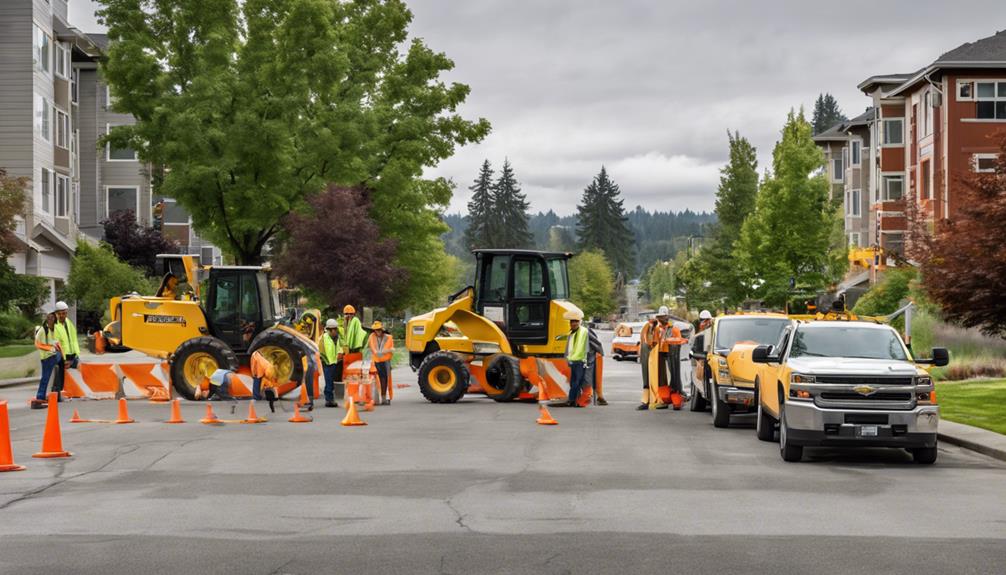
Anyone planning to work on or near public roadways may find themselves in need of a street obstruction bond. This includes contractors, utility companies, and even individuals undertaking home improvement projects that affect public streets.
If you're digging, paving, or making any alterations that could disrupt traffic or pedestrian access, you'll likely need this bond. Obtaining a bond is a critical step in ensuring compliance with local regulations and protecting public interests, as it demonstrates a commitment to completing the project as agreed and fulfilling obligations in case of unforeseen issues, akin to a performance bond.
Local governments require the bond to ensure that you take responsibility for any potential damages or disruptions your work may cause. It's essential for maintaining public safety and ensuring that the work complies with local regulations.
If you're a contractor performing large-scale projects, the bond is often a requirement of your contract. Similarly, utility companies performing maintenance or upgrades on public streets must secure this bond to protect against any unforeseen issues.
Even if your project seems minor, it's best to check with local authorities to determine if a bond is necessary. By securing a street obstruction bond, you're not only meeting legal requirements but also demonstrating your commitment to responsible and safe work practices in your community.
Application Process
Applying for a street obstruction bond involves several key steps that ensure you meet all local regulations.
First, you'll need to gather the necessary documentation, including your project plans, site maps, and any relevant permits. Make sure these documents clearly outline the scope of your obstruction and how it'll impact traffic and pedestrian access.
Next, you should fill out the application form provided by the local authority. This form typically requires detailed information about your project, including start and end dates, the specific location of the obstruction, and contact information. Be thorough and accurate; any missing details could delay the process.
Once you've completed the application, submit it along with your documentation to the appropriate department. It's wise to check if any fees are associated with the application, as these can vary.
After submission, be prepared to respond to any questions or requests for additional information from the reviewing authority. They may schedule a site visit to assess the situation further.
Bond Requirements and Costs
When seeking a street obstruction bond, you'll need to meet specific requirements that can vary by location. Generally, you must provide proof of insurance, comply with local regulations, and submit a completed application.
Additionally, it's essential to understand the purpose of the bond, as it acts as a guarantee to protect the public and ensure compliance with local laws, similar to license and permit bonds. You'll also need to supply any necessary permits that demonstrate your intent to obstruct the street for a valid purpose, like construction or maintenance.
Costs associated with obtaining a street obstruction bond can differ widely based on the project's scope and the bond amount required by your local government. Typically, you can expect to pay a premium based on the total bond value, which may range from a few hundred to several thousand dollars.
Additionally, some jurisdictions may require a deposit or fee to cover administrative costs.
Before you apply, it's a good idea to check with your local authorities for the exact requirements and potential costs. Understanding these details upfront can help you budget accordingly and avoid surprises.
Make sure you have all your documentation in order to streamline the application process and get your bond approved as quickly as possible. Being prepared will save you time and help you comply with local regulations effectively.
Impact on the Community
Street obstruction bonds frequently impact the community in significant ways. When a street obstruction occurs, it can disrupt local traffic patterns, making it harder for residents to navigate their neighborhoods. You might find yourself stuck in longer commutes, which can lead to increased frustration and lower overall quality of life.
Moreover, these bonds often cover the costs associated with restoring public spaces. If a construction project disrupts a road, the bond ensures that the area is returned to its original condition or improved. This means that you benefit from better streets and public areas, which can enhance your community's appeal.
Additionally, the presence of street obstruction bonds can foster a sense of accountability among contractors and developers. By requiring them to secure a bond, the community ensures that they're responsible for any disruptions they cause. This can lead to more careful planning and execution of projects in your neighborhood, ultimately minimizing inconvenience.
In essence, while street obstructions may initially seem disruptive, the bonds tied to them help ensure that you and your fellow residents see long-term benefits, including improved infrastructure and a greater sense of community responsibility.
Tips for Compliance
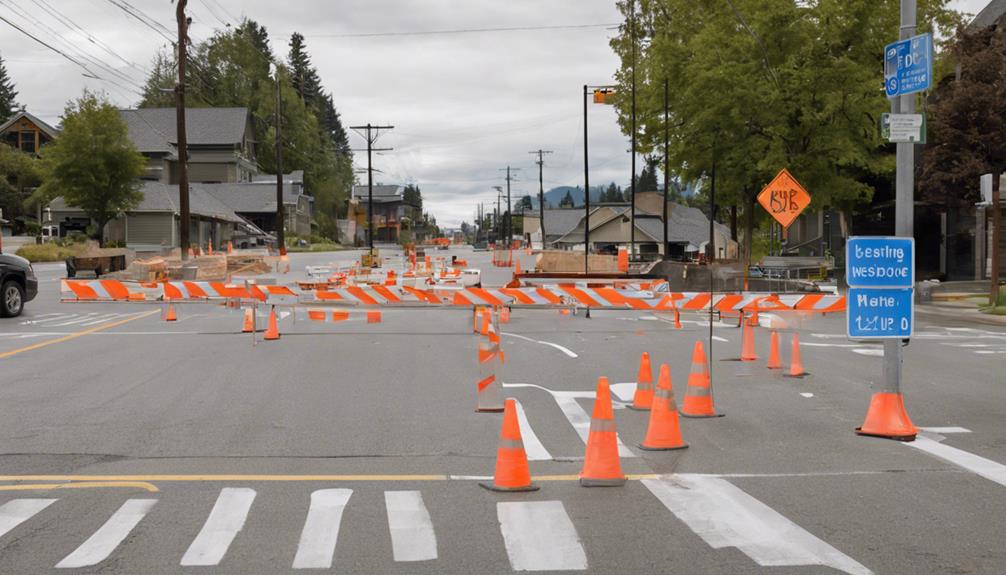
Understanding the importance of street obstruction bonds can help you navigate compliance more effectively. First, familiarize yourself with local regulations and guidelines specific to Pierce County. Make it a priority to read through the requirements thoroughly to avoid any misunderstandings.
Next, ensure you obtain the necessary permits before starting any work that may obstruct the street. This step is crucial in preventing fines or delays in your project. Keep all documentation related to your bond and permits organized and easily accessible.
Communication is key. Notify local authorities and the community about your planned obstruction in advance. This transparency can help mitigate potential issues and foster goodwill among your neighbors.
Regularly inspect your work zone to ensure it meets safety standards and complies with your bond agreement. If you notice any issues, address them promptly to avoid further complications.
Conclusion
In conclusion, obtaining a Street Obstruction Bond in Pierce County is crucial for anyone planning to disrupt public roadways. It not only ensures compliance with local regulations but also protects the community from potential damages. By understanding the application process and requirements, you can contribute to safer and more responsible development. Embracing this bond helps foster positive community relations and demonstrates your commitment to sustainable practices. So, take the necessary steps and make a difference today!
