
Virginia requires LLCs and corporations in the wine industry to secure a $2,500 bond as a mandatory license condition, serving as a financial guarantee for regulatory compliance and consumer protection.
If you're navigating the wine industry in virginia as an LLC or corporation, you'll need to understand the Virginia Winery and Wine Wholesalers Bond. This $2,500 bond isn't just a formality; it's a crucial requirement for securing your license from the Virginia Alcoholic Beverage Control Authority. It safeguards consumers and upholds ethical practices, making it essential for your business's credibility. But what happens if you overlook this obligation? The implications could be significant, and there's more to consider as you move forward.
Understanding the Bond Requirement

When diving into the world of Virginia wineries and wine wholesalers, understanding the bond requirement is crucial. This bond acts as a financial safety net, ensuring that you comply with state laws and regulations.
In Virginia, the bond requirement typically amounts to $2,500 for LLCs and corporations, serving as a critical measure to protect consumers from potential unethical practices in the industry. It's not just a formality; it's a way to protect consumers and the state from potential financial harm caused by licensees who might fail to fulfill their obligations ensuring adherence to regulations.
Securing this bond demonstrates your commitment to operating within the legal framework. It assures both customers and state authorities that you'll adhere to the standards set forth in the law.
The bond functions as a guarantee that funds will be available to cover any fines, penalties, or unresolved debts that may arise during your business operations.
You'll need to work with a surety company to obtain your bond. They'll assess your financial stability and creditworthiness to determine your eligibility.
Once secured, maintaining the bond becomes part of your ongoing responsibilities, reinforcing your dedication to ethical business practices in the vibrant Virginia wine industry.
Who Needs the Bond?
Understanding who needs the bond is essential for anyone entering the Virginia wine industry. If you're planning to operate a winery or engage in wine wholesale activities in Virginia, this bond is a crucial requirement for you. It applies to both LLCs and corporations involved in the production or distribution of wine.
As alcohol bonds are a key compliance measure, they ensure adherence to both state and federal regulations, protecting consumers in the process financial guarantee for compliance.
As a winery owner, you need the bond to obtain the necessary licenses from the Virginia Alcoholic Beverage Control Authority. This bond ensures that you comply with state regulations and maintain ethical business practices.
Similarly, if you're a wine wholesaler, the bond is mandatory to facilitate your operations and protect the interests of consumers and other businesses.
Even if you're a startup or a small business, don't overlook this requirement. The bond serves as a financial guarantee that you'll meet your obligations, providing peace of mind to your partners, suppliers, and customers.
In essence, if you're directly involved in the wine industry in Virginia, you'll need this bond to legally operate and thrive in this competitive market. Being informed about this requirement can save you time and potential legal issues down the road.
Purpose of the Bond
The purpose of the Virginia Winery and Wine Wholesalers Bond is to ensure compliance with state and federal regulations while protecting consumers and businesses alike.
This bond acts as a safeguard, guaranteeing that wineries and wholesalers adhere to the laws governing the production, distribution, and sale of alcoholic beverages. By requiring this bond, the state holds businesses accountable for their actions, ensuring they operate fairly and ethically.
Additionally, similar to Arkansas Surety Bonds, this bond provides a framework that enhances trust in the industry.
When you obtain this bond, you're essentially committing to follow all relevant laws.
If you fail to meet these obligations, the bond provides financial protection for consumers and the state. It covers any potential claims arising from violations, such as failure to deliver products as promised or engaging in unfair business practices.
This not only helps maintain trust in the industry but also promotes a level playing field among competitors.
Bond Amount and Costs
Determining the bond amount for a Virginia Winery and Wine Wholesalers Bond involves several factors, including the size of your operation and the volume of wine you distribute. Generally, the bond amount is set at $2,500, which serves as a financial guarantee for compliance with state regulations.
When you apply for this bond, it's important to understand that the costs can vary based on your credit score and the surety company you choose. If you have a strong credit profile, you might pay as little as 1-2% of the bond amount annually, making your upfront cost around $25 to $50.
However, if your credit isn't as strong, the premium could increase, leading to higher annual fees.
Additionally, you should factor in other potential costs associated with obtaining the bond, such as application fees or additional documentation requirements.
Always compare quotes from different surety companies to find the best deal. By knowing these costs upfront, you can budget accordingly and ensure you're ready to meet the financial obligations tied to your Virginia Winery and Wine Wholesalers Bond.
Application Process
Applying for a Virginia Winery and Wine Wholesalers Bond involves a straightforward process that typically includes a few key steps.
First, you'll need to identify the specific bond amount required for your operation, which is usually $2,500 for LLCs and corporations. Once you know the amount, you can approach a surety company that specializes in these bonds.
Next, you'll complete a bond application form provided by the surety. This form usually requests basic information about your business, including your legal structure, ownership details, and the nature of your operations.
Be prepared to provide some personal information as well, particularly if you're a small business owner, as your credit history may be considered.
After submitting your application, the surety company will review your information and assess the risk involved. This step may take some time, so it's wise to be patient.
Once approved, you'll receive your bond, and you'll typically need to pay the premium upfront.
Required Documentation
When you're preparing to apply for a Virginia Winery and Wine Wholesalers Bond, gathering the necessary documentation is crucial for a smooth process.
Start by collecting your business formation documents, such as your Articles of Incorporation or Organization. This shows that your business is legally established in Virginia.
Next, you'll need to provide a copy of your business license and any relevant permits related to wine distribution. These documents demonstrate that you're compliant with state regulations.
It's also important to have your federal Employer Identification Number (EIN) handy, as it identifies your business for tax purposes.
Additionally, prepare financial statements or proof of your business's financial stability. This could include bank statements or tax returns from the past few years. The surety company may require this information to assess your risk profile.
Lastly, remember to have personal identification ready, such as a driver's license or passport, to verify your identity.
Compliance and Regulations
Understanding compliance and regulations is vital for anyone involved in the Virginia wine industry. You must familiarize yourself with both state and federal laws governing wine production, distribution, and sales. The Virginia Alcoholic Beverage Control Authority (ABC) oversees these regulations, ensuring that all wineries and wholesalers adhere to legal standards.
First, you need to obtain the appropriate licenses. For wineries, this includes a winery license and possibly a retail license if you plan to sell directly to consumers. Wholesalers must also secure a wholesaler license to distribute your products legally.
Compliance extends to labeling and marketing as well. Ensure your labels meet federal guidelines established by the Alcohol and Tobacco Tax and Trade Bureau (TTB). This includes proper disclosure of alcohol content, health warnings, and any other required information.
Furthermore, regular record-keeping is essential. You should maintain accurate sales records, inventory logs, and any documentation related to your bond. This not only helps in audits but also fosters transparency in your operations.
Staying informed about changing regulations is crucial, so consider joining industry associations or attending workshops to keep your knowledge current.
Consequences of Non-Compliance
Non-compliance with regulations in the Virginia wine industry can lead to serious consequences that affect both your business and reputation. When you ignore these legal requirements, you risk facing hefty fines that can strain your financial resources. These penalties aren't just a one-time hit; they can accumulate over time, leading to significant financial burdens that may jeopardize your operations.
Additionally, your business license could be suspended or revoked, effectively shutting down your ability to sell wine. This loss of license not only halts your revenue stream but also tarnishes your brand's image. Customers and partners may lose trust in your business if they see that you're not adhering to industry standards.
Moreover, non-compliance can expose you to legal actions from other businesses or consumers, creating further complications. These lawsuits can be costly and time-consuming, diverting your focus from growing your winery.
In a competitive market, maintaining a solid reputation is crucial. By failing to comply with regulations, you risk alienating loyal customers and losing potential new ones, ultimately threatening the sustainability of your winery.
Stay informed and compliant to protect your business and its future.
Benefits of Obtaining the Bond
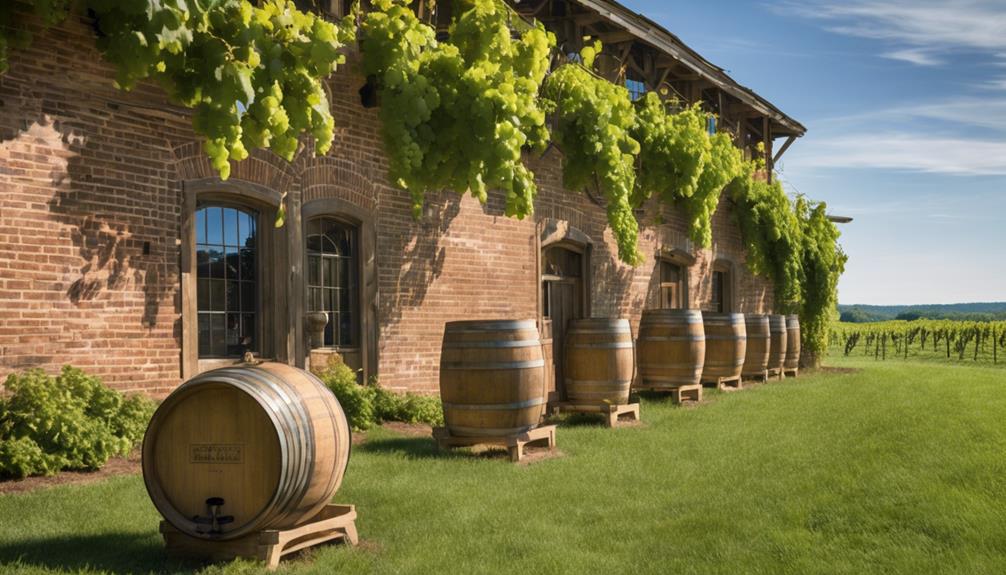
Securing a bond in the Virginia wine industry offers numerous advantages that can significantly enhance your business operations.
First and foremost, having this bond demonstrates your commitment to ethical practices and compliance with state regulations, building trust with consumers and partners alike. It showcases your dedication to operating within the law, which can attract more customers to your winery.
Additionally, obtaining the bond can protect your business from potential financial losses resulting from non-compliance. Should any issues arise, the bond provides a safety net, ensuring that you can cover damages or penalties without jeopardizing your financial stability. This added layer of security can give you peace of mind as you focus on growing your business.
Moreover, many distributors and retailers prefer working with bonded wineries, as it signifies reliability and professionalism. This can open up more opportunities for partnerships, increasing your market reach.
Lastly, securing a bond can enhance your reputation in the industry, positioning you as a trustworthy player in the Virginia wine market. Overall, the benefits of obtaining this bond far outweigh the costs, making it a smart investment for your winery's future.
Resources for Winery Owners
As a winery owner, having access to the right resources can make all the difference in navigating the complexities of the wine industry.
Start by connecting with local and state wine associations. These organizations often provide valuable insights, networking opportunities, and educational resources that can help you stay informed about industry trends.
Next, consider utilizing online platforms and forums dedicated to winemaking and business management. Websites like WineBusiness.com and the Wine Industry Network offer articles, webinars, and discussions tailored to your needs.
You can also tap into social media groups where fellow winery owners share experiences and advice.
Don't overlook the importance of consulting with legal and financial professionals who specialize in the wine industry. They can help you understand regulations, tax implications, and business strategies that are unique to wineries.
Conclusion
In summary, obtaining the Virginia Winery and Wine Wholesalers Bond is crucial for your LLC or corporation. This $2,500 bond not only helps you comply with state laws but also protects your business and consumers. By securing this bond, you demonstrate your commitment to ethical practices in the wine industry. Don't overlook this important step—it's key to building trust and ensuring your success in this competitive market. Make sure you're compliant and ready to thrive!