

The WA Motor and Special Fuel Tax Bond is a mandatory financial guarantee for fuel industry operators in Washington, ensuring they properly collect and remit state fuel taxes to avoid serious penalties and maintain legal business operations.
If you're operating in the fuel industry in Washington State, you need to understand the WA Motor and Special Fuel Tax Bond. This bond isn't just a formality; it's your assurance to the state that you'll collect and remit fuel taxes appropriately. Failing to comply can lead to serious repercussions for your business, impacting your reputation and financial stability. But what exactly does compliance entail, and who is required to secure this bond? The nuances of this requirement might surprise you, especially when considering the consequences of overlooking it.
What Is a Fuel Tax Bond?

Understanding the ins and outs of a fuel tax bond can be crucial for businesses dealing with fuel sales. A fuel tax bond acts as a financial guarantee, ensuring that you'll pay the necessary fuel taxes imposed by the state or federal government.
When you sell fuel, you're responsible for collecting and remitting these taxes, and a fuel tax bond helps you fulfill that obligation. These bonds not only protect the government from potential losses if you fail to pay the taxes you owe but also support the revenue needed for transportation infrastructure ensuring compliance with tax obligations.
If you neglect your tax duties, the bond can be used to cover any unpaid amounts. For businesses, obtaining this bond is often a requirement to operate legally. It demonstrates your commitment to adhering to tax regulations and can facilitate smoother business transactions.
To obtain a fuel tax bond, you'll typically need to work with a surety company, which assesses your creditworthiness and other factors to determine the bond's cost. The bond amount usually reflects the estimated taxes you'll owe.
Importance of Compliance
Compliance with fuel tax regulations is non-negotiable for businesses in the fuel industry. If you fail to adhere to these rules, you risk severe penalties that can impact your operations and reputation. Understanding and following these regulations not only protects your business but also fosters trust with your customers and partners.
Additionally, having a comprehensive understanding of your mileage tax bond requirements can further enhance your compliance efforts. When you comply, you ensure a smooth operation, avoiding costly fines and potential legal issues. This compliance also allows you to maintain your eligibility for necessary licenses and permits, which are crucial for your business's sustainability.
Moreover, it positions you as a responsible player in the industry, enhancing your credibility. In addition, compliance with fuel tax regulations keeps you informed about changes in laws and requirements, allowing you to adapt quickly. This adaptability can provide you with a competitive edge, as your business will be seen as proactive and reliable.
Ultimately, prioritizing compliance isn't just about meeting legal obligations; it's about safeguarding your business's future. By committing to these regulations, you pave the way for growth and stability in a challenging market.
Who Needs the Bond?
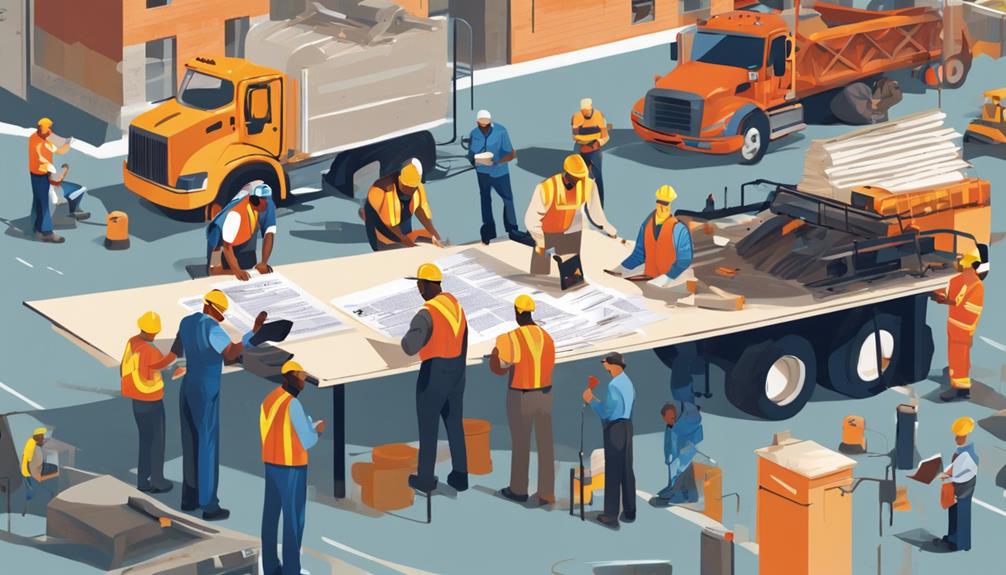
Businesses involved in the distribution and sale of fuel are typically the ones that need a motor and special fuel tax bond. If you operate a fuel wholesaler or retailer, you'll likely be required to obtain this bond to ensure compliance with state tax regulations.
It's not just limited to gas stations; any entity that sells or distributes fuel, including diesel, kerosene, and alternative fuels, falls under this requirement.
If you're a fuel importer or a terminal operator, you'll also need this bond. It helps ensure that you fulfill your tax obligations, making it a crucial part of your business operations. Without this bond, you may face fines or penalties that could impact your bottom line.
Additionally, if you're considering entering the fuel market, obtaining this bond should be one of your initial steps. It's not just a regulatory hurdle; it also builds trust with your customers and suppliers, showing them you're committed to compliance.
In short, if you're involved in any aspect of fuel distribution or sales, securing a motor and special fuel tax bond is essential for your business.
Bond Amount Requirements
The bond amount required for a motor and special fuel tax bond varies by state and is often determined by the volume of fuel sold or distributed.
Typically, you can expect the bond amount to range anywhere from $10,000 to $100,000, though some states may set different limits based on specific regulations.
Understanding the requirements and purpose of bonds can help you navigate the necessary compliance for your business.
To figure out the exact amount you'll need, check with your state's Department of Revenue or equivalent agency.
They'll consider factors like your fuel sales history and the tax liability associated with your business activities.
If you're just starting out, be prepared to provide estimates of your expected fuel sales to help determine the bond amount.
Application Process Overview

Starting the application process for a motor and special fuel tax bond can seem daunting, but breaking it down into manageable steps makes it easier.
First, gather the necessary documents. You'll need your business license, financial statements, and any relevant tax information. This paperwork establishes your credibility and financial stability, which are crucial for bond approval.
Next, research bonding companies or agents that specialize in motor and special fuel tax bonds. Look for ones with solid reputations and competitive rates.
Once you've chosen a provider, fill out their application form. This usually involves providing personal and business details, including your credit history.
After submitting your application, the bonding company will review it and may conduct a credit check. Be prepared to answer any follow-up questions they might have.
Once approved, you'll receive the bond documents, which you'll need to file with the appropriate state authorities.
Renewal and Maintenance
Keeping your motor and special fuel tax bond up to date is crucial for maintaining compliance and protecting your business. You need to stay aware of the bond's expiration date, as failing to renew it on time can lead to issues. Typically, these bonds require annual renewal, so mark your calendar and set reminders to ensure you don't miss this important deadline.
When it's time for renewal, reach out to your surety company well in advance. They'll guide you through the process and inform you of any changes in premiums or requirements. You might also need to provide updated financial information to demonstrate your ongoing eligibility.
Additionally, maintaining good relationships with your surety and ensuring your business practices are compliant can help lower your bond premiums over time. Regularly review your operations and stay informed about any regulatory changes that could affect your bonding requirements.
Consequences of Non-Compliance

Neglecting to comply with motor and special fuel tax bond requirements can lead to serious repercussions for your business.
First, you could face hefty fines that may strain your finances. These penalties aren't just monetary; they can also damage your reputation in the industry, making it harder for you to secure future contracts or partnerships.
Additionally, non-compliance might result in the suspension or revocation of your licenses, preventing you from legally operating your business. Without the necessary licenses, you can't conduct transactions, which directly impacts your revenue stream.
If your business is involved in audits or investigations, non-compliance can complicate matters further. You may find yourself tangled in legal disputes, leading to costly legal fees and further penalties.
Moreover, non-compliance could lead to increased scrutiny from regulatory authorities in the future, making it more challenging to navigate your business operations.
Frequently Asked Questions
Understanding the implications of non-compliance raises many questions about motor and special fuel tax bonds. One common question is, "What exactly is a motor and special fuel tax bond?" Simply put, it's a financial guarantee that ensures you'll pay the motor fuel taxes owed to the state.
Another frequent inquiry is, "Who needs this bond?" If you're a business involved in selling or distributing fuel, you likely need to secure one. This bond protects the state from lost revenue due to non-payment of taxes.
You might also wonder, "What happens if I don't get this bond?" Failing to obtain the bond can lead to hefty fines, penalties, and even the suspension of your business activities.
Additionally, many ask, "How much does the bond cost?" The cost varies based on your creditworthiness and the bond amount required, but it typically ranges from 1-15% of the total bond amount.
Lastly, "How can I find a reliable bonding company?" Look for companies with a strong reputation in the industry and positive customer reviews. Research and compare options to ensure you choose a trustworthy provider.
Resources for Further Information

If you're looking for more information about motor and special fuel tax bonds, there are several valuable resources available. The Washington State Department of Revenue website is a great starting point. It provides comprehensive guidelines on tax bonds, including application procedures and compliance requirements. You can also find essential contact information if you have specific questions.
Another useful resource is the National Association of Insurance Commissioners (NAIC). They offer insights into bonding companies and can help you find licensed providers in your area.
Additionally, the Surety & Fidelity Association of America (SFAA) is a key resource for understanding the surety bond industry, including motor fuel tax bonds.
Don't overlook local business organizations and chambers of commerce. They often have valuable connections and can provide assistance with regulatory inquiries or referrals to professionals who specialize in tax bonds.
Lastly, consider consulting with a tax advisor or legal professional who's familiar with motor and special fuel tax regulations. They can provide tailored advice and help navigate the complexities of bonding requirements.
With these resources, you'll be well-equipped to understand and manage your motor and special fuel tax bond needs.
Conclusion
In summary, securing a WA Motor and Special Fuel Tax Bond is essential for your fuel distribution business. It not only ensures compliance with state regulations but also builds trust with your customers and protects your company from heavy penalties. By understanding the requirements and staying on top of renewals, you can maintain your credibility in the industry. Don't overlook this vital step—it's key to your business's success and longevity in the competitive fuel market.