bookmark_borderHow to Apply for a Surety Bond?

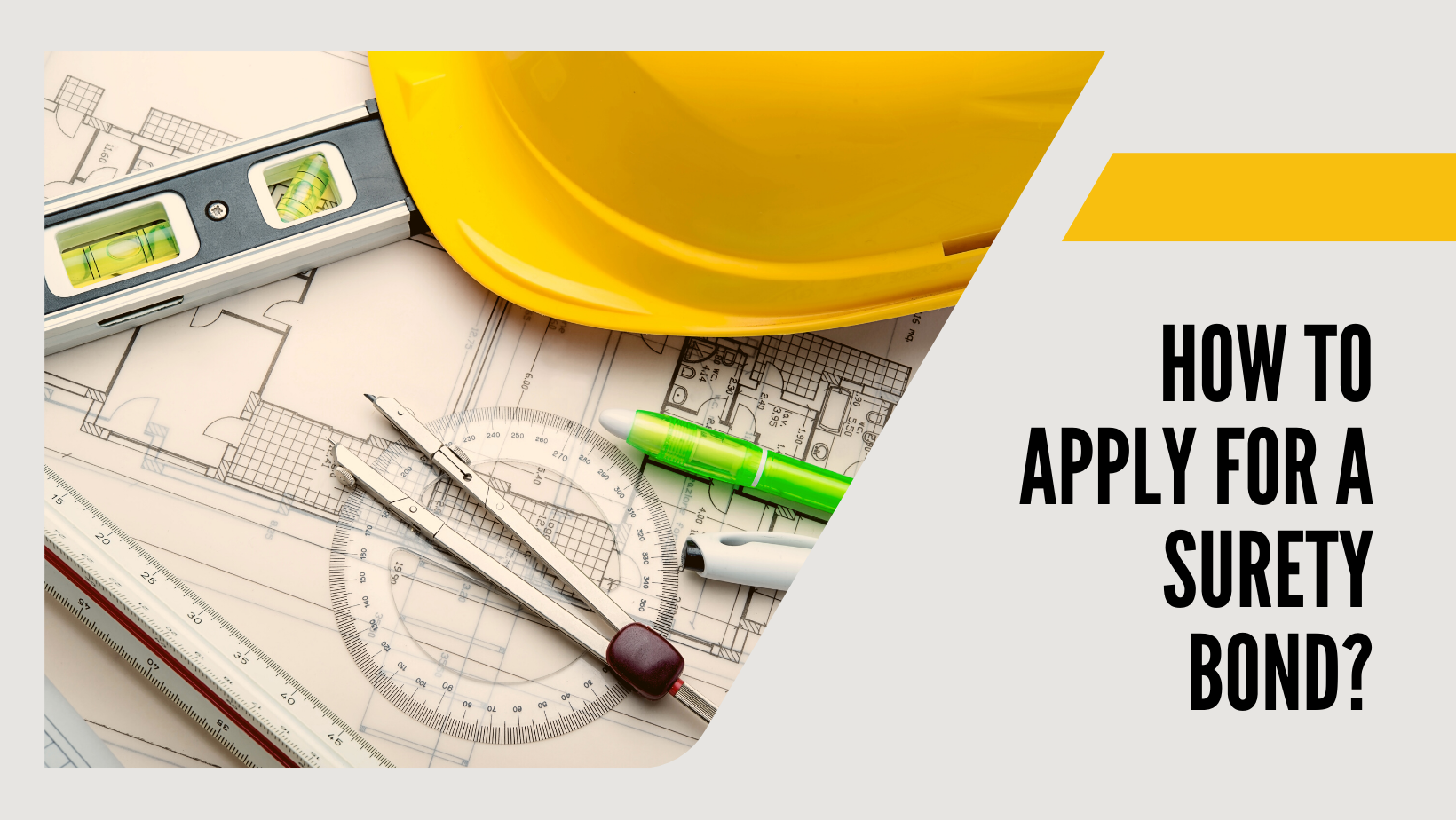
surety bonds - How can I apply for a surety bond - hat and drawing materials in white background

How can I apply for a surety bond?

If you’re looking for a bond that will cover your business, then start by understanding the difference between surety and fidelity. A surety bond is typically used to guarantee payment on contracts or as security against damages caused during an event such as a construction project. A fidelity bond establishes responsibility for mishandling funds within a company, like theft or fraud.

A surety bond helps guarantee the completion of projects by contractors. For example, if you’re hiring someone to do work on your house or office building, they may need to get bonded before starting their job. Bonds can also be required for things like alcohol licenses and driver’s licenses. 

surety bonds are not too hard to get, but there are some qualifications that need to be met in order to qualify for one. Certain types of businesses or individuals may be ineligible, such as those who have been convicted of felonies within five years, failed within three years on any financial obligations (credit card debt), or anyone currently under bankruptcy proceedings.

How much is a surety bond?

A surety bond is an agreement between a company and another organization to protect each other in the event of a default. The company agrees to put up money or property that can be seized if the other party defaults on their obligations, while the organization promises not to sue for breach of contract. In exchange, they get protection from lawsuits when they need it most.

The cost varies based on several factors such as credit rating, size of business, and the amount needed but typically ranges around $500-2000. This is a small fee for peace of mind when you have so much at stake in your business!

In addition, there are many factors that may increase the cost of a surety bond. For example, if you have a criminal history or driving record that is not up to date, then this could affect your pricing. Another factor that affects the price of a surety bond is whether you’re applying for one as an individual or as part of a company.

How will I know the right surety bond for me?

A surety bond is a written promise to repay what is owed. It can be put into effect for just about any contract, but it’s especially important in construction contracts where there are so many things that can go wrong. But how do you know which type of surety bond will work best for your situation? There are several different types available, and each one has its own benefits and drawbacks. 

In the world of business, there are many surety bonds that you may be asked to purchase. The right one for you will depend on your situation. The right surety bond for you is one that will cover the work done on your home. In some cases, a homeowner’s association may require a contractor to have bonds in order to do work. The right surety bond for you is one that covers the work being done and the materials being used.

How do I know I need a surety bond?

As a business owner, you may feel like you’re doing everything right. You’re following all the rules and regulations that are required by your industry, state, and federal laws. But what happens when someone sues your company or files bankruptcy? What if they refuse to pay their bills or do not comply with the terms of an agreement? A surety bond is often used as protection for businesses that need to keep their assets protected in case something goes wrong.

For example, if you’re a contractor who has had trouble securing financing from your bank due to credit issues, then you may want to look into getting a surety bond issued on your behalf. Surety bonds are often used in lieu of collateral when someone needs the help of their local bank for funding and lending purposes- without them, they would be unable to move forward with their project or business venture. 

What are the requirements needed when getting a surety bond?

While getting a bond may seem like an easy and straightforward process, there are many requirements that need to be met in order to qualify for one.  It is important to understand the various types of bonds, what they can do for you, and whether or not you will require one when applying for a loan. 

Surety bonds protect both the borrower and lender from fraud or other financial harm. They also ensure that any obligations made during the course of business are fulfilled by all parties involved.  

In order to get a surety bond, you need to be at least 18 years old and have been in business for at least three years. You also need current credit ratings and professional references from other people in your industry.


 

Want to know more? Visit Alpha Surety Bonds now!

bookmark_borderCommonly Asked Questions About Surety Bonds

surety bond - what is the purpose of a surety bond - contractors looking at the building plan

What is the procedure for obtaining a surety bond?

A surety bond ensures that a person or company will follow through on its promises. If you’re the executor of an estate and need to sell property with liens, you’ll need a surety bond to cover any remaining bills owing by the deceased person.

Purchase money mortgages, construction projects, environmental compliance programs, public improvement contracts, and more can all be funded through bonds. You won’t have any trouble finding one because numerous companies sell them online.

A surety bond is a legally binding agreement between the obligee and the principal. The obligee makes a payment to the principal in exchange for the promise that if the principal defaults, the obligee will be reimbursed from this money.

Surety bonds are used to protect against the loss of public or private funds as a result of fraud or other misbehavior on the part of individuals in charge of the funds’ management. In general, they’re essential when there’s a substantial risk of loss and insufficient time or money to recover from it.

Which bond issuer should I go with?

Bond businesses are a popular stock market investment option. When you buy stocks, you’re buying a piece of a firm that gives you the right to whatever dividends it pays out.

Bonds are distinct from stocks in that they entitle the bearer to periodic interest payments on the amount of money invested for a defined period of time, rather than any profits. This is one of the reasons why some investors prefer bonds to stocks: they offer more stability than their equities equivalents.

Some people are fortunate enough to work for an organization that provides a retirement plan. Many others, on the other hand, have never received such a perk from their company. If you’re one of those folks who aren’t sure what to do, the solution is simple: open a self-directed IRA.

You’ll save money by deferring taxes until retirement, when it’s more advantageous for tax purposes, in addition to being able to choose from a variety of investments with no limits on how much you can put into each mutual fund. Overall, if you want a better financial future, it’s worth the time and effort to set up a self-directed IRA.

What are the benefits of purchasing a surety bond?

A surety bond is a contract between a principal and an obligee in which the principal commits to pay a specific sum if the obligee is harmed. Surety bonds are frequently utilized when no other kind of security is available or when enforcing another sort of security would be problematic for the obligee.

We recommend opening a line of credit with your bank to ensure that you have enough funds on hand to pay any claims made against your bond. The cost will be determined by your credit score and the amount of money you require at one time.

A surety bond is an agreement between a bonding company and a person or company. The person or company who wants to be sure they are trustworthy pays a premium to have their fidelity guaranteed. The surety is responsible for any losses incurred if this person or business fails to meet its obligations.

A surety bond ensures that outstanding debts or obligations will be paid. When you’re in a pinch, your surety bond company will help you get the money you need to cover any losses. When it comes to securing cash if there is a problem with paying back the debt, the company protects both the individual and the creditor. Many various sorts of insurance businesses that provide these services can provide you with a surety bond.

What is the purpose of a surety bond?

A surety bond is a sort of insurance that ensures one party’s performance to another. A surety bond ensures that a person or corporation will follow the terms of a contract, agreement, or law.

Surety bonds are frequently used in construction projects, where the contractor pledges to remedy any defects or mistakes that occur throughout the project, as well as pay for any damages caused by their personnel, before being paid. Because the cost of a bond is determined by what it guarantees and how risky it is, you should speak with your lender to see if this is a viable choice for you.

A bond ensures that an individual or organization will meet its contractual obligations. If they fail to do so, the entity in charge of providing the surety bond assumes control and fulfills the contractual duty. Bonds are utilized in a variety of industries, including building, public works, aviation, and entertainment. The cost varies depending on the type of contract, but it usually ranges from $5,000 to $25,000 per project/contractor.


Want to know more? Visit Alpha Surety Bonds now!

bookmark_borderInformation on Surety Bonds that Everyone Should Know

Surety Bond - what are the many forms of surety bond available, information on surety bonds that everyone should know - contractors inspecting the construction

What’s the difference between a Surety Bond and a Policy of Insurance?

Surety bonds are a type of liability insurance that protects the principle. Because they protect against dishonesty or a breach of faith, they are also known as fidelity bonds. Meanwhile, insurance policies cover physical property damage, personal injury, and other losses. Premiums for surety bonds are normally paid in advance, but premiums for insurance policies are usually paid monthly.

The most significant distinction between surety bonds and insurance policies is that an insurance claim does not have to be paid out if it turns out to be ineligible under the terms of the policy. With a surety bond, however, you must pay any amount owed even if your claim is found to be ineligible under the terms of your company’s agreement.

Another distinction between an insurance policy and a surety bond is that with an insurance policy, you are compensated for your loss if something goes wrong. You are repaid for lost funds using a surety bond. This means that proof of fraud or theft on the part of the entity that issued the surety bond is required in order to get reimbursement.

What if I have a Surety Bond “claim”?

A surety bond is a sort of public liability insurance. Before they may work in particular vocations or execute certain duties, the insured must obtain this bond. These bonds can be utilized for a variety of reasons, but they are most commonly necessary when you have “claims” against the company, such as an employee who may steal or embezzle funds from their workplace.

 If a Surety Bond is in existence, it is not uncommon for one of the parties to file a “claim” against the bond. Always contact an attorney before taking any action in relation to your case.

A surety bond is intended to protect the contracting parties, such as the owner of the leased or rented property. If someone else fails to perform under this contract, for example, by failing to make their rental payments, your surety bond comes in and gives relief by paying out monies so you can continue functioning as usual. This safeguards both parties in the event that one of them fails to meet its contractual duties.

What are the many forms of surety bonds available?

A surety bond is a sort of financial assurance given by a contractor to the owner, usually in response to a construction proposal. The bond ensures that the terms and circumstances under which it was issued are met.

It may also cover any unforeseeable design or scope modifications that occur during construction and are outside the contractor’s control. A surety bond can be issued through one’s insurance provider or by calling a bonding contractor specialist independent agent.

The performance bond, completion bond, payment and performance bond, and license and permit bond are the four categories of surety bonds.

For new construction projects, a Performance Bond is provided to ensure that work on the project is performed according to contractual commitments. A completion bond guarantees that contractors will complete their share of the contract or reward those who provide labor or materials by ensuring that they will satisfy contract deadlines.

The Payment and Performance Bond is intended to protect investors from losses caused by nonpayment by corporations such as utilities, telecommunications providers, and oil refineries, as well as suppliers and other entities involved in providing these services from breach of contract lawsuits.

What factors should I consider while selecting a Surety Bond Company?

If you own a business, it’s possible that you’ll need to use Surety Bonds. It is critical to select the right company in order for your business to be profitable and compliant with the law. A surety bond assures that if someone is unhappy with your work, they can file a claim against your bond, and you will be held liable and responsible for any damages.

For example, if someone hires me as their lawyer and I fail to do my work properly due to carelessness or some other issue, they may be able to make a claim against my $100,000 surety bond.

There are a few things to think about if you’re not sure which company to choose. Is the type of bond that is required available from them? Some firms specialize in general bonds, while others focus on workers’ compensation and public utility bonds.

This selection will be influenced by the size and complexity of your project: smaller initiatives may demand less investment than larger ones. Finally, consider how much research they did on your sector on their website; if it’s imprecise or doesn’t specify the type of job involved, it’s definitely best to check elsewhere for information on bonding standards.


Want to know more? Visit Alpha Surety Bonds now!

bookmark_borderAnswers to Frequently Asked Questions about Surety Bonds

surety bond - what is the meaning of surety bond - construction of building in blue background

What is the meaning of a surety bond?

A surety bond is a type of insurance that ensures that an agreement will be fulfilled. It’s also known as a fidelity bond because it protects property and money from theft, fraud, dishonesty, and misrepresentation. A surety bond can be used for a variety of agreements, including loans and contracts. 

These are commonly utilized in construction projects because they provide insurance against project delays caused by unforeseen factors such as weather. A surety bond is a type of insurance that ensures that an agreement or contract will be fulfilled. 

Payment, completion of work, or delivery of goods are all examples of this. If you’re thinking about starting your own company and need to buy supplies for manufacturing, you should think about getting a surety bond to protect yourself in case something goes wrong during production or delivery.

These connections are frequent in areas such as construction, engineering, and architecture. The truth is that when you employ a contractor, you’re constantly taking a risk because you’re entrusting them with your money and belongings. A surety bond is a great approach to protect yourself from any potential problems that develop throughout the project.

What is the cost of a Surety Bond?

A surety bond is an agreement between a principal and the state or court that the principal will be held accountable for obligations. Surety bonds are frequently used to ensure that someone will fulfill their obligations, such as an employee, contractor, subcontractor, or agency. They’re also popular in cases where the borrower has little assets to offer as security.

When it comes to determining the cost of a surety bond, there are numerous elements to consider. Construction bonds are the most frequent, but there are also bonds for specific industries such as food services and medical offices.

The cost of a surety bond varies depending on a variety of factors such as credit rating and type of business, but it normally runs from $500 to $5,000.

What’s the Procedure for Obtaining a Surety Bond?

A surety bond is a financial assurance given to the state by an individual or company. This may be required as part of a legal agreement or for other reasons such as license renewal in some situations. There are many different types of bonds, each with its own set of uses, so it’s critical to do your homework before purchasing one.

If you’re looking for a surety bond or need one for your company, you’ll need to know how to go about securing one. Contractors who have been deemed trustworthy enough to accomplish work requiring insurance and financial assurances employ surety bonds. An application is required, as well as permission from the bonding firm. 

The procedure for obtaining a surety bond varies depending on the type you choose and the amount you wish to borrow. For example, obtaining an insurance bond for a business may necessitate the acquisition of additional licenses. If a public figure requires a bond for their position, the criteria are different than if an individual wants a bail bondsman license.

What is the average time it takes for my Surety Bond application to be approved?

A bond is a type of security that ensures that an agreement will be fulfilled. Contractors and subcontractors typically utilize surety bonds to guarantee the completion of a construction project, but they can also be secured for other types of agreements.

Within one year of the contractor’s contract with you as a part-owner, general partner, joint venturer, employer, or major owner, you must file a surety bond application to the Department of Insurance. The length of time it takes for your application to be granted varies based on how much information you supply and whether you need to submit any further papers.

The process varies based on the company, but on average, clearance takes roughly one week.

Do I need to put up any money as security for a Surety Bond?

A surety bond is a contract between the “bonded” and one or more creditors. It guarantees that if the bonded fails to meet their responsibilities, they will be responsible for repaying all money owing, plus interest. Collateral is not usually required to acquire a surety bond; however, depending on your position and the sort of surety bond you require, it may be essential. 

If the collateral is required, we can assist you in determining which types of collateral are acceptable and how to obtain them. If your bonding company wants collateral, you will be required to offer some form of security before they would issue your bond. There are, however, exceptions to this rule, which differ based on the circumstances.


Want to know more? Visit Alpha Surety Bonds now!

bookmark_borderThe Most Asked Questions About Performance Bonds

performance bond - what is the meaning of performance bond - modern house in blue background

What is the meaning of a payment bond?

If you’re a small business owner, you’ll almost certainly need to pay your suppliers at some point. This can be an expensive affair if your firm is failing and cannot afford the payment, or if something goes wrong with the transaction and one of them sues you for breach of contract. Taking up a payment bond is one approach to protect yourself from these potential results.

A payment bond is a sort of insurance that ensures that a project is completed according to the contract’s specifications. It’s also known as a surety bond or a performance bond. If a contractor fails to fulfill their responsibilities under a contract for any reason, they may be held accountable for damages and penalties imposed by law.

The payment guarantee assures that contractors do not abandon tasks without finishing them because doing so will cost them money. Payment bonds are required in a variety of industries, including building, engineering, and mining projects, as well as other sorts of agreements with municipalities or governmental bodies, such as leases or contracts.

Simply put, if your firm doesn’t have enough finances to pay its employees or subcontractors for the work they’ve already done on your project, you’ll need to secure a Payment Bond before spending any more money, or your project will wind up in bankruptcy court.

What is the definition of a maintenance bond?

A maintenance bond is a type of insurance that assures the seller that if there are any issues with the property after it has been sold, the seller will be reimbursed. This form of a bond can also safeguard buyers from sellers who are unable to undertake repairs themselves and will instead file a claim with their homeowner’s insurance company.

Rental properties, commercial buildings, and homeowners associations frequently require maintenance bonds. This sort of insurance entails the owner paying payments to an insurer in exchange for protection against damages caused by natural catastrophes or vandalism (among other things).

A maintenance bond also protects you from property damage caused by carelessness. Landlords frequently require these bonds to ensure that they will not be responsible for any repairs after their tenant has moved out.

What is the definition of a subdivision bond?

A subdivision bond is a form of municipal bond issued by states, counties, and other government units. The bonds are used to fund subdivision construction and development. Parks, schools, roads, and a variety of other community needs can all be funded using them.

When you purchase a bond in your state’s capital city or county seat, you are contributing to the funding of services that keep your home safe and livable. A subdivision bond connects developers who want to build new homes with local governments who need money for infrastructure improvements before new residents move in.

A subdivision bond secures the finances required to complete specific improvements, such as the installation of sidewalks or sewers. Once the project has been completed and inspected by an independent third party, the individual who issued the lien will receive their money back. This ensures that all work is completed correctly before any funds are distributed to investors, as well as preventing fraud on the part of bond issuers.

What is the definition of a commercial bond?

A commercial bond is a debt instrument that a corporation issues in order to raise funds. A commercial bond is usually issued for a period of one year or more and pays interest twice a year. When the bonds mature, the issuer, the government, or another entity may purchase them from the corporation in order to recoup their investment and profit. If there is a problem paying off debts on time, commercial bonds can be utilized as collateral.

A commercial bond is a loan that offers funds to a borrower for the purpose of starting a business. By financing a company or individual that has not been in business long enough to demonstrate their worthiness, the lender takes on some risk. To compensate the lender, the borrower pays a greater interest rate than you would get on a personal loan from your bank.

What is a bond for a license and permit?

A License and Permit bond is a sort of surety bond that some jurisdictions require of persons who possess licenses or permits. If you are applying for, renewing, transferring, or amending the terms of your license or permit, you may be required to post this bond.

If you fail to comply with the licensing requirements in your jurisdiction, your company may face financial penalties. The License and Permit Bond can protect against this risk by ensuring that funds are available to cover any penalties incurred as a result of non-compliance with licensing laws.

A License and Permit bond is a type of surety bond that ensures that the licensee will follow all licensing, permitting, and other regulatory requirements. A permit or license can be used for everything from running a business to holding a public event. If the permit holder does not comply with these conditions, they will be in breach of contract and risk losing their license to operate.


Want to know more? Visit Alpha Surety Bonds now!

bookmark_borderThe Most Important Facts to Know About Performance Bonds

performance bonds - what is the cost of performance bond - crane in black and yellow background

Is it necessary for contractors to have been in business for a particular amount of time to get bonded?

Contractors have a safety net in the form of a bond. It protects homeowners from having to pay for work that was either not completed or abandoned halfway through the project. The most common sort of bond is a performance and payment bond, which ensures that the contractor will complete the job according to specifications within the agreed-upon timeframe and that the homeowner will pay the contractor. One factor that is frequently ignored is whether or not the length of time a contractor has been in business affects whether or not they are bonded.

Contractors must be in good standing with their state’s licensing board, have enough liability insurance to handle claims, and be bonded themselves. However, not all bonding agencies need contractors to have been in operation for a specific period of time before agreeing to bond them.

Contractors can be bonded with the state by submitting a surety bond. There are various types of ties, each with its own set of restrictions. To receive an A-rated bond, the contractor must show that they’ve been in the company for at least two years, but if their financial records and credit history seem decent, they just need to show that they’ve been in business for six months to get a B-rated bond.

What is the cost of a performance bond?

A performance bond is a guarantee given by a firm to an event or organization to assure that they will finish the work at hand. There are several different types of performance bonds, each with various prices, and determining which one is suitable for you might be challenging.

This sort of bond protects the customer’s interests by ensuring that the company completes what it pledged to accomplish, or the customer’s financial deposit is forfeited. The cost of this assurance varies depending on the size, complexity, length, and location of the project. For example, a building project in California may necessitate a $4 million performance bond, whereas one in Florida might cost around $1 million.

Is it necessary to run a credit check for performance bonds?

A performance bond is a monetary promise that a contractor will complete their project on schedule and at the highest possible quality. Although performance bonds are frequently used in building, architecture, engineering, and other professions, many individuals are unaware that they are not necessarily required.

A company may require a performance bond if it has engaged in contracts or agreements with other companies that are depending on the other party completing specific responsibilities. The performance bond amount should be sufficient to cover any potential losses in the event of default. Credit checks aren’t required for acquiring a performance bond, but if they pass, they can help prove creditworthiness.

Performance bonds do not require a credit check. Construction businesses frequently employ performance bonds to guarantee that they will complete the task as promised and that if they fail to do so, the surety company will be held liable. The bond is held by a third party who is unaffiliated with the project. If you need this type of protection for your construction project, it’s best to talk to an expert first before choosing a structure.

When a claim is made against a performance bond, what occurs next?

A performance bond is a sort of insurance that protects the third party from damages caused by the contractor’s failure to perform. If you’ve ever worked on a construction job, you should be aware that there are numerous risks involved. To mitigate these risks, contractors frequently demand their clients to submit a performance bond before they begin working on the project. If something goes wrong or someone doesn’t keep their half of the deal, the client can file a claim and obtain compensation for their losses, just like with any other type of insurance.

The performance bond will cover any additional costs paid by the project owner if the contract is terminated before completion. It’s crucial to examine your needs and understand what coverage can be supplied with a performance bond, just as it is with any other type of insurance.

When a problem arises with fulfilling the contract obligations – such as not being able to complete all remaining tasks due to financial hardship – it is the responsibility of the owner or contractor who posted the performance bond (the person who was awarded the contract) to resolve the issue before they can proceed with their duties. This means that if they do not comply with these criteria and contact persons engaged in submitting the claim, they may face consequences.


Want to know more? Visit Alpha Surety Bonds now!

bookmark_borderFrequently Asked Questions about Performance Bonds – Answered!

performance bond - what is a performance bond - tools in yellow and violet

What is a Performance Bond, and how does it work?

A performance bond is an insurance contract that ensures a company will complete the work for which it was hired. The bonding arrangement normally requires the company to post cash or other collateral as security for the project‘s completion, and the bonding agency will reimburse the company if it fails to deliver. Performance bonds are commonly used in large building projects and industrial production agreements when one party may fail to fulfill its obligations.

A performance bond specifies the payment terms under which one party undertakes to perform an act or supply service in exchange for payment from the other. The second party pays in advance for this service, so if the first portion fails, they are not obligated to perform anything else.

However, in order to be paid in full, the first party must adhere to all agreed-upon terms. If they fail to meet these standards, they will lose the money that the second party has already given up (Beware of scams).

Professionals in the field frequently issue a Performance Bond to ensure that they can be held liable for any damages done while working on a project. The client’s peace of mind is ensured by the bond, which protects them from any unanticipated circumstances or events. Some people feel that performance bonds are reserved for large-scale projects, but this couldn’t be further from the truth: performance bonds safeguard both small and large firms!

Is a Performance Bond an insurance policy?

A performance bond is a sort of insurance that ensures a project’s completion. It can be used to ensure payment for services, materials, or equipment needed to finish a project. When projects rely on external contractors, performance bonds are vital because they safeguard both parties involved in the contract from unanticipated events or difficulties that may develop during construction and create delays.

A performance bond assures that if one party fails to meet their obligations, the other party will still be paid for their work, even if the amount is less than what was originally agreed upon in the contract. Performance bonds come in a variety of shapes and sizes, but they all have one thing in common: they always require two signatures and some form of collateral from both parties before cash can be released.

What is the procedure for underwriting a performance bond?

A performance bond is a type of collateral that is used to guarantee the completion of a contract or agreement. Performance bonds can be issued by an individual or a business, and they are typically required when performing construction work for a third party.

The goal of such agreements is to guarantee that the individual or firm will fulfill their responsibilities in accordance with the contract’s terms and conditions, with no exceptions. It’s critical that all parties involved understand how performance bonds are underwritten in order to maintain transparency and trust.

A third-party insurance firm, bank, or other institution can act as the underwriter. To obtain a performance bond from an insurer, you must show proof that you have enough money to satisfy claims if there are any issues with your building project. They’ll want to make sure you have enough assets and cash flow streams to avoid defaulting on your debt and leaving them holding the bag.

What is the definition of an indemnification agreement?

A contract in which one party pledges to shield the other against financial loss is known as an indemnification agreement. In this way, it serves as a form of insurance for both corporations and individuals. It’ll almost always be included in contracts with subcontractors or joint venture partners where both parties stand to lose a lot of money if something goes wrong on the job.

Contractual indemnities and quasi-contractual indemnities are the two sorts. Contractual indemnities are made by signing a contract, whereas quasi-contractual indemnities are produced without the use of written words but nevertheless have legal force because they were mutually agreed upon before anything was done under them.

If you’re searching for an illustration of how this could play out, look no further than Tesla’s recent manufacturing troubles with the Model 3. They negotiated an indemnity agreement with parts suppliers to safeguard themselves from any potential litigation or legal action that could arise as a result of the delays. This arrangement guarantees them money if there are any problems. This form of contract can be utilized when someone wants to be protected from unanticipated events such as product defects, accidents on corporate property, and so on.


Want to know more? Visit Alpha Surety Bonds now!

bookmark_borderTop Questions About Bid Bonds

bid bonds - how do i get a bid bond - construction materials in black and yellow

How much does a bid bond cost?

A bid bond is a type of performance bond, and it needs to be posted with the government agency in order for the company to submit a bid. The cost of this can vary depending on who you are bidding against or if your project requires one. It’s best to check with prospective agencies beforehand since you could end up spending more money than necessary.

The cost for this type of bonding varies depending on the size and complexity of the project. Generally, if you’re buying a $100,000 home and need to obtain financing, you’ll need an additional 3% in down payment to cover your closing costs; however, if you’re using cash or putting 20% down on the property instead, then you won’t need any additional funds because it’s exempt from requiring a bid bond. 

But if you are bidding on higher-priced contracts such as construction projects worth more than $1 million—in which case there is no exemption—you’ll have to come up with 10% upfront to pay for your bid bond.

What is an “agreement to the bond”?

An agreement to bond is a contract that outlines the terms and conditions of the relationship between two parties. This can include financial, emotional, and medical agreements in addition to other contracts. 

An example of an agreement could be one where one person agrees to be financially responsible for another person until they are able to support themselves again. It’s important not only to look at what each party wants from this type of relationship but also how it will affect both parties’ quality of life after the bond has been broken.

“A ‘bond agreement’ is a legally binding contract between two parties that provides for the payment of an agreed sum in consideration of the recipient agreeing to perform services. A bond agreement could be drafted as, but is not limited to, a mutual promise by one party to provide money or other property if another agrees to act or refrain from acting. The term “agreement” refers broadly to any type of arrangement made by two parties.”

In a nutshell, an “agreement to the bond” is a legal agreement where two people agree to pay each other back for any debts they incur during their relationship. In addition, some agreements to bond may include provisions that require the parties to share assets acquired during the course of the relationship as well as those proceeds from those assets that are generated after separation or death of one party.

How do I get a bid bond?

A bid bond is required by general contractors and subcontractors for most public and private construction projects. The purpose of the bid bond is to ensure that the bidder will complete their contract if they are awarded the project, according to specifications in the bid proposal. 

Bid bonds are an important part of bidding for the construction industry. If you want to bid on a public project, you need to have a bond in place that proves that you’re financially capable of completing the job if it’s awarded to you. A bond is typically required when your company is new or has not yet established its reputation as being reliable.

Bid Bonds are necessary for any project where there is more than one bidder. The law states that all bidders must post a bid bond before they can submit bids on federally funded projects in order to keep from wasting time and resources on proposals from companies who do not have enough financial backing or ability to complete the work successfully. 

Is there a limit on what I can bid on?

A company that is bidding on a purchase with a bid bond, or who has been awarded the contract and needs to post a performance bond, may wonder if there is an upper limit on what they can bid. The answer to this question varies depending on the type of purchase being made. 

For example, in some cases, there are limits based on the size of the project or contracts for public works projects such as roads and bridges. In other instances, such as when bidding for supplies like computers and office furniture, there are no limits. This is because these items do not need any government approvals before they can be purchased by state agencies that use them for governmental purposes only.

Bid bonds are typically under $1,000 and cannot be more than 10% of the final cost for construction projects. For example, if the project costs $100 million, your maximum bid with your bid bond would be up to $10 million. You can also see that they have a limit on what you can place as a single offer on an item at auction- usually around 20%. 


Want to know more? Visit Alpha Surety Bonds now!

bookmark_borderCommon Facts You Need to Know About Bid Bonds

Bid Bonds - What is a Bid Bond - Buildings in Black and Brown Theme

What is a bid bond?

A bid bond is a security deposit that an individual makes to ensure they will not default on their contract. The amount of the bid bond ranges from one-half percent to five percent of the total contract value and can be collected at any time during or after construction. A bid bond ensures that the contractor pays for associated costs such as re-wiring, removing fixtures, etc. in case they fail to complete construction on time and/or with quality standards required by the contract. 

Typically, it’s used when bidding on public projects to safeguard against bidders who might take off with the money without completing their end of the bargain. It can also be utilized in private transactions where one party needs assurance from another for an important agreement. This type of security is often required by government entities before issuing contracts. 

The bid bond must have a value at least equal to 10% of the total cost of $10,000, whichever is greater and cannot exceed 100% of the total cost depending on what local regulations allow. The amount you’re willing to put up as collateral should reflect your level of confidence.

What does bid mean in bonds?

Bonds are a form of fixed income; they pay out a set amount each year and the return is usually not as high as other investment vehicles such as stocks. Bonds typically have one of two types: convertible or non-convertible. 

Convertible bonds offer investors the ability to convert to shares at an agreed-upon price, thus giving them more flexibility with their investments; this option is not available for non-convertible bonds. The bid price for these securities represents the highest interest rate that someone would be willing to pay for it and can fluctuate depending on supply and demand in the market. 

The word “bid” is thrown around a lot in the bond market. But what does it mean? A bid is an offer to buy bonds at a certain price, which could be higher or lower than the current trading price of that particular security. The size of the bid usually indicates how much someone values that particular security. 

For example, if I offered to buy $1 worth of securities for $0.75, then my bid would be 25% more than the trading price; whereas if I offered to buy them for $0.40, then my bid would only represent 20% less than their trading value.

How do bid bonds work?

A bid bond is a type of insurance that protects the owner from having to pay for labor and materials if they lose an auction. It’s required by law in most states, but it can also be used as a business strategy to attract more bids or improve the chances of winning an auction. 

When you place a bid at an auction, many sellers will require that you have a bid bond on file before bidding – this ensures both parties are protected during the transaction process. Bid bonds typically cost between 1% and 5% of the total price of the item up for sale (for example $200-500). 

The bid bond is typically equal to 5% of the value of the contract and it will be forfeited if you do not follow through with your contractual obligations. Bid bonds can be used for any kind of contract, from construction jobs to leases. 

A prominent example would be when someone bids on a government project and their bid has been accepted by officials but they need more time to get financing or something else in order before they can proceed with work – this is when they use a bid bond instead of just waiting until everything falls into place because there’s no guarantee that circumstances will change in their favor before the deadline date. 

Are bid bonds returned?

Bid bonds are a type of performance bond that is given to the owner for work that has been done. The purpose of the bid bond is to ensure that if the contractor doesn’t follow through with their obligations, then they will be able to make up for it and finish the project. If you’re considering getting a bid bond, there are certain things you need to know before signing any documents. 

Bid bonds are not always returned. When the project is completed, it may be found that there is no need for the bid bond because the owner does not owe money to anyone on the project. It may also be found that there are enough funds in a trust account or escrow account to cover any of the outstanding invoices.

Is a bid bond refundable?

Bid bonds are a type of performance bond that is required by the state or local government to be paid before bidding on a contract. It is refundable if the bidder wins the bid and does not meet all of their obligations for carrying out the work contracted. The bid bond guarantees that any damages incurred from non-performance will be made up to the awarding authority. 

In most cases, firms can apply for a credit from their bonding company in order to get back some of their money, but this varies depending on each situation and which agency denied them approval. In some cases, it may only cover a partial refund so there’s no point in applying for one until they have been fully rejected by an awarding agency.


Want to know more? Visit Alpha Surety Bonds now!

bookmark_borderBid Bond FAQs – Answered!

Bid Bonds - Are bid bonds mandatory - building outline in blue and yellow

Why is a bid bond only 10% of the contract value?

A bid bond is a financial guarantee that the bidding company will be able to follow through with the contract in case the winning bidder defaults. A bid bond is only 10% of the contract value, whereas a performance and payment bond can be up to 100%. 

The reason for this difference is because it would be very hard for a contractor to make money if they had to pay back 100% of their contract value when something goes wrong with one project. It’s better for them financially if they only have to put up 10%.

A bid bond is a type of insurance that protects the owner from being financially harmed by a contractor who does not complete their work. The AIA contract specifies that a bid bond is 10% of the contract value, but this may vary depending on your state’s laws and industry standards.

In most cases, it will be less than 50% of the contract value because owners want to have some protection against contractors who are taking bids from multiple projects at once or those with no assets.

How is a bid bond different from a performance bond?

A bid bond is typically used in the bidding process for construction projects. A performance bond, on the other hand, guarantees that a contractor will complete its work to specification and on time. A bid bond may also be called a “pink slip” if it’s given to the owner of the property during construction. 

The owner then returns this pink slip to get their money back once they’ve completed an inspection of the project site. Bid bonds are often required by owners who can’t afford upfront costs associated with hiring contractors, while performance bonds are more commonplace because they guarantee the timely completion of projects.

A bid bond is also called an “execution bond” which secures payment upfront, in exchange for submitting a competitive bid. There are many differences between these two types of bonds, but there are some similarities too. 

Both are designed to protect both parties from loss if one party fails to fulfill its obligations under the agreement. The biggest difference is that with a performance bond, you have to wait until after the work has been completed before it’s paid out whereas, with a bid bond, you’re getting your money upfront when submitting your competitive bids!

A bid bond is given by a bidder to guarantee completion of construction or repair work at the agreed-upon price. Performance bonds are required in situations where there’s not enough information about the project, such as when it will be completed, how much money will be spent on labor and materials, and other variables. The bond ensures that if something goes wrong with the contract, your company can still get back what was promised without having to go through lengthy legal proceedings.

Are bid bonds mandatory?

Bid bonds are not mandatory in all cases. A bid bond guarantees that a bidder will be able to pay the price in the event they win the contract, but it is not required when bidding on projects with a low risk of default. Companies may also choose to waive their right to request a bid bond if they have an established relationship with suppliers and vendors.  

The Federal Trade Commission requires any company who chooses to require bid bonds for high-risk contracts must provide no less than 10 days’ notice before requiring them or else face penalties for noncompliance under federal law. Bid bonds can vary in size depending on risk factors such as potential litigation costs, administrative costs, and time delays associated with performing work after winning a project. 

It’s important to understand the difference between bid bonds and performance bonds, or else you’ll be out of luck when it comes time to bid on a project. Bid bonds are required by law for all public works projects in order to protect both the government entity that is awarding the contract as well as the contractor who bids on it. Performance bonds are not always mandatory but they can provide an additional layer of protection if something goes wrong with a project.

Where can I get a bid bond?

A bid bond is a performance and payment guarantee that some contractors require. It guarantees that if you are selected as the winning bidder on a project, then you will be able to provide the necessary funds to get started. The bond ensures that if there is any failure to perform, they can recover their losses from your deposit. There are different types of bonds depending on what type of contractor is involved such as general construction or water and sewer projects. 

A bid bond is an insurance policy secured by an approved surety company or broker which guarantees the successful completion of work under certain conditions in accordance with specifications in any given contract. The surety company guarantees payment, labor costs, equipment rental costs, and other expenses incurred on behalf of the principal until completed satisfactorily according to all terms and conditions stipulated in its agreement with said principal.


Want to know more? Visit Alpha Surety Bonds now!